
Learning Discipline from China's SOEs
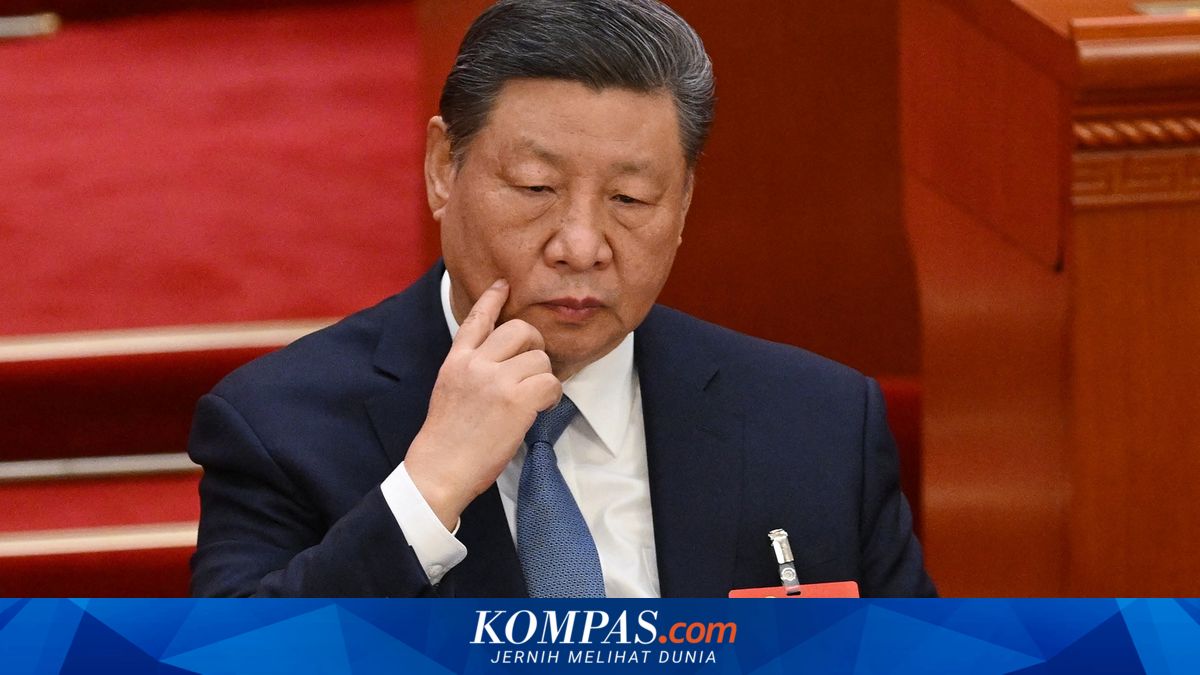
Beijing is no longer merely a political centre but the epicentre of global corporate gravity. The 2025 Fortune Global 500 report confirms the city as home to 47 corporate giants—surpassing the combined total of Tokyo and New York. At the forefront, economic dragons such as State Grid, CNPC, and Sinopec stand firm with foreign assets exceeding $13.9 trillion. China is leading the stage of state capitalism with an unmatched steel-like discipline. A stark contrast emerges when we turn our gaze to the homeland. While China’s SOEs are busy dominating global supply chains, Indonesia’s SOEs are still in the process of addressing fundamental issues. The performance structure of the Danantara-era SOEs reveals sharp anomalies. The banking sector has recorded a 12.5 per cent growth in net profit, yet the chemical and pharmaceutical industry sector faces heavy margin pressures despite a sectoral growth of 11.65 per cent. The Directorate General of IKFT report reveals that although the GDP contribution remains stable at 3.82–3.93 per cent, corporate efficiency is constrained with Return on Assets (RoA) at levels of 1–2 per cent. This low profitability is driven by chronic dependence on upstream raw material imports and high energy logistics costs. These figures reflect an economic engine that is not yet fully synchronised with global investment strategies. The presence of the State-Owned Enterprises Management Agency and the launch of Danantara as the embryo of a Sovereign Wealth Fund (SWF) represent a historic milestone full of promise. Theoretically, Danantara is projected to become a giant that consolidates strategic assets for global market penetration. Its ambitions are bold, allocating 20 per cent of capital for foreign investments with a target dividend of up to $10 billion. However, we need to view these challenges clearly through a professional lens. Quoting the South China Morning Post report, the success of such institutions heavily depends on solid legal foundations and protection from short-term political dynamics.