
Learning Culture, Preserving Roots of Tradition Amidst Modernity's Current
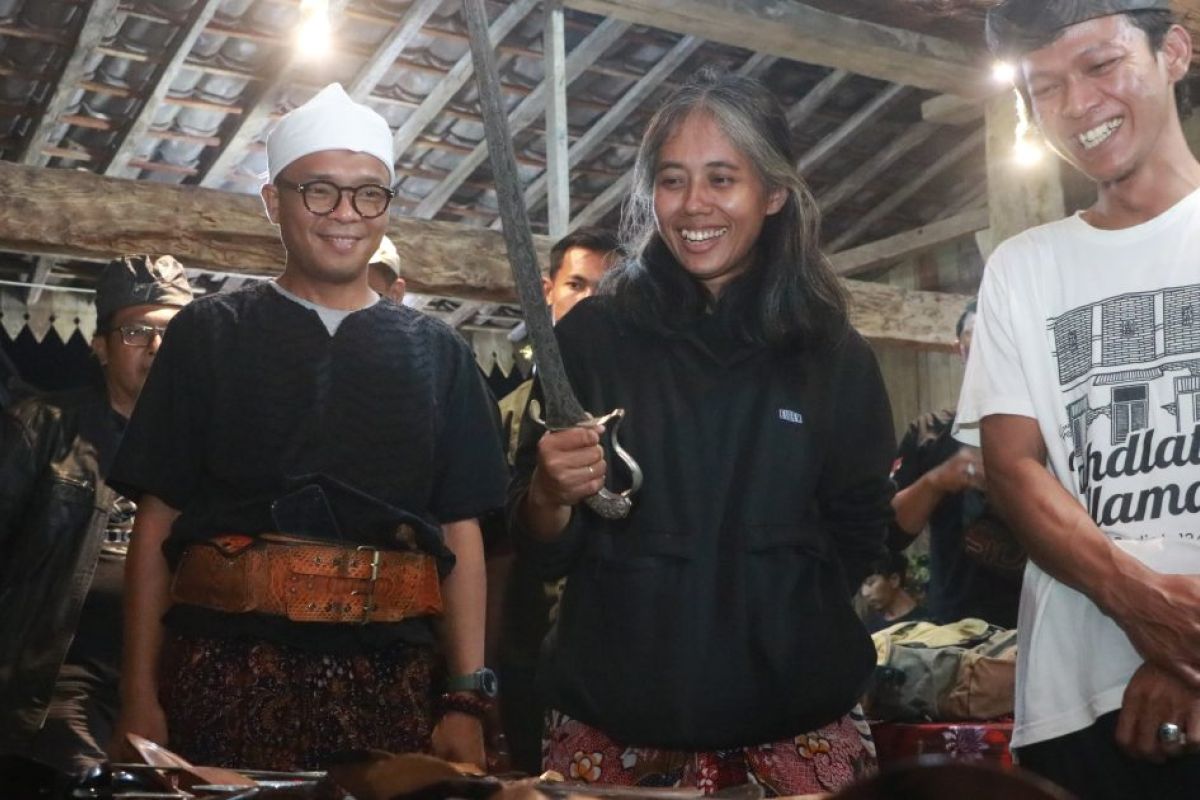
Probolinggo, East Java — The usually quiet Roma Sondhuk Cultural House in Sidomukti Village, Kraksaan District, Probolinggo Regency, East Java, became bustling with visits from arts and culture enthusiasts during a two-day “Learning Culture and Exhibition of Nusantara Heritage 2026” event held on 14-15 March 2026.
The event presented exhibitions of Nusantara heritage, cultural dialogues, and traditional art performances that served as a space for collective reflection on the importance of preserving cultural heritage amidst the overwhelming wave of modernisation.
Nur Syamsi Zakariya, founder of Roma Sondhuk and the event’s initiator, explained that this year’s “Learning Culture” event was deliberately designed differently from previous years to attract more visitors committed to preserving cultural heritage threatened with extinction if not actively conserved.
In previous years, the event consisted merely of cultural discussions, but this year it was combined with a Nusantara heritage exhibition featuring various cultural inheritances, such as keris, spears, and historical artefacts laden with historical and philosophical value.
Beyond discussions, the community could directly witness the cultural heritage through exhibitions of keris, spears, and various historical artefacts that represent the legacy of Indonesian ancestors’ culture.
The organisers also brought in cultural practitioners and master craftsmen known as mpu. Three mpu attended, two from local areas and one from Sumenep, Madura — Mpu Ikka Arista, recognised as the only female mpu in Indonesia.
Mpu Ikka Arista highlighted a significant challenge in heritage conservation today: the problem of generational succession and the breaking of knowledge transmission from one generation to the next.
In the past, many artefacts were simply stored without their stories and meanings being passed down. As a result, subsequent generations no longer understood the values they contained.
According to her, keris remains relevant for discussion even in the digital era, as it functions as a cultural identity that will always remain relevant. Keris is not merely a historical object but part of the cultural identity of the Indonesian nation.
Through this event, the Cultural House in Probolinggo sought to encourage young generations to understand that keris is not simply a traditional weapon, but an important part of Nusantara’s cultural heritage.
“Keris has historically functioned not only as a weapon but also as a symbol of culture and the identity of Indonesian ancestors. Through this event, we wish to participate in nguri-uri, or preserving Nusantara’s heritage,” said Nur Syamsi.
Amidst the progression of an era saturated with modernity, keris remains part of Indonesia’s cultural identity, recognised by the international community as cultural heritage that requires care and protection.
On the first day, visitors to the event enjoyed an exhibition of keris and Nusantara heritage that captivated culture enthusiasts, whilst the evening atmosphere became more vibrant with a performance of traditional music unique to Probolinggo — Seronen, known for its distinctive flute melodies.
To enrich understanding, the event continued with an interactive dialogue featuring main speaker KH Jadul Maula, caretaker of Sunan Kaliopak Islamic Boarding School in Yogyakarta, who addressed “Excavating the Roots of Tradition, Reaching the Gates of Heaven (Blessings)”.
In his presentation, he mentioned that Indonesia is a country recognised worldwide as possessing great strength in the cultural field. Indonesia is truly a nation with cultural super power.