
Layered Pressures on Indonesia's Furniture Industry: Rising Production Costs and Flood of Cheap Imports, Exports Offer Hope
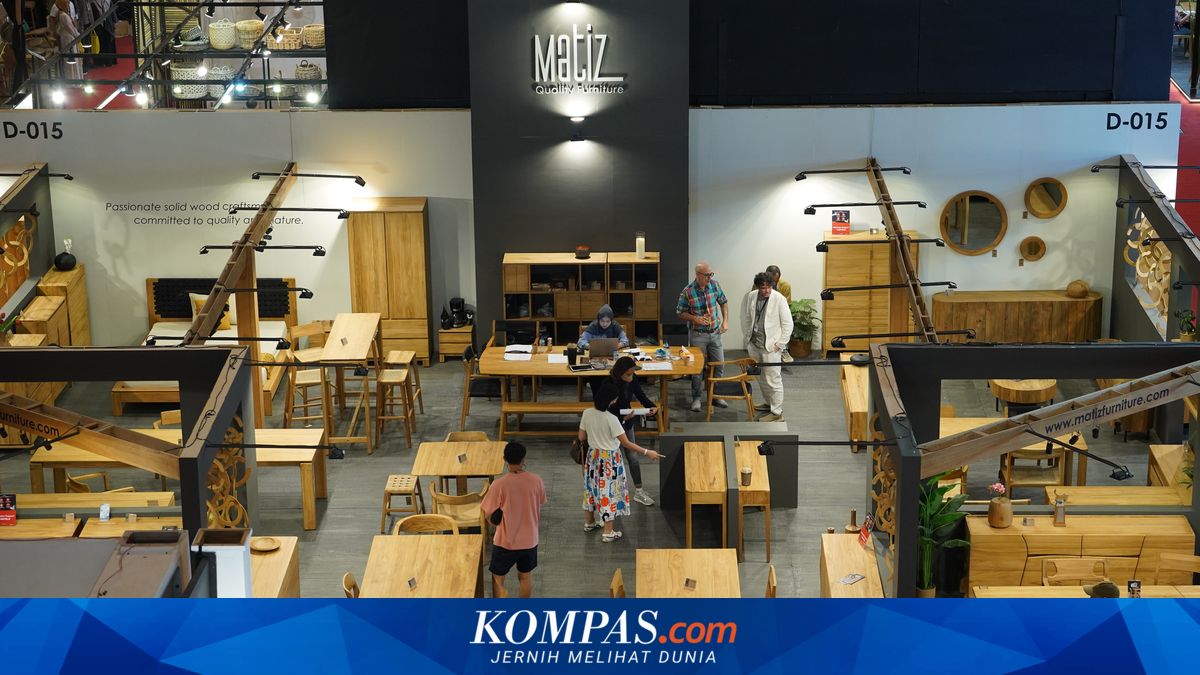
JAKARTA, KOMPAS.com - Indonesia’s furniture and handicraft industry is currently facing layered pressures in 2026. On one hand, rising energy prices are driving up production and logistics costs. On the other hand, a flood of cheap imported products, particularly from China, is squeezing the domestic market. However, amidst this situation, industry players still see opportunities, especially from the export market which continues to grow, albeit moderately. The General Chairman of the Indonesian Furniture and Handicraft Industries Association (HIMKI), Abdul Sobur, described this condition as a phase full of pressure, but not without hope. “To be honest, there is definitely pressure. The impact of rising energy costs is felt everywhere. The most prominent effect on our industry is on logistics,” said Sobur in an interview with Kompas.com in Jakarta on Friday (10/4/2026). The cost increases are not only felt in export shipments but also in domestic distribution, from inter-island transport to from factories to ports. In addition, the furniture industry still relies on certain imported raw materials. “Some components still have to be imported. For example, finishing materials, hinges, locks, and fittings. If those prices rise, production costs automatically increase,” he explained. Besides cost pressures, the domestic market is also facing serious challenges due to the influx of cheap imported products entering through digital platforms. “The domestic market is under pressure. It’s not because local goods are unavailable, but because imported products are flooding in like a deluge via online platforms,” said Sobur. He explained that consumers tend to choose cheaper and more accessible products, even if the quality is lower. “Those goods might not be solid wood, the quality is below ours. But because they are cheap and arrive quickly, that’s what is chosen. The market is huge, for cafes, restaurants, and many other sectors,” he stated. Amid the weak domestic market, Indonesia’s furniture industry still heavily relies on exports, particularly to the United States. “Currently, our exports are indeed growing, but moderately. The majority is still to America, around 54-56 percent. It could even rise to 60 percent,” revealed Sobur.