
Lawmaker: Wanam PSN Must Proceed; The State Must Not Be Defeated by the Pesta Babi Narrative
A deputy chair of the DPR’s Commission IV from the Golkar faction, Panggah Susanto, says the National Strategic Project (PSN) for developing a food estate—the creation of a new one-million-hectare paddy area in Wanam, Merauke Regency, South Papua Province—is very important, especially for the long term. He made the remarks amid the emergence of propaganda attacking the national food resilience programme championed by President Prabowo Subianto through a film titled Pesta Babi.
“New rice fields are important for long-term food security to anticipate rising food demand and avoid dependence on other countries,” he said on Friday (21 May).
“In the short term, it can optimise the land that exists to achieve food sovereignty. Also, to achieve food security in the short and medium term, we should simultaneously optimise the available land,” he added.
As is known, the film by Dandhy Laksono and Cypri Paju Dale depicts the struggle of indigenous communities in South Papua to defend their ancestral lands and customary forests from large-scale development projects that claim to be for development. The forests and land depicted in the film are not part of PSN and are not located in Wanam, which is intended to plant one million hectares of rice.
Similarly, previously Iwan Setiawan, Director of Indonesia Political Review (IPR), said that if the film Pesta Babi is not merely film creativity, it could become a problem. “The mistake is if it is done with the aim of delegitimising and concealing political agendas,” he said on Tuesday (19 May).
Iwan stressed that given today’s global conditions, the PSN for one million hectares of paddy in Wanam should continue. “The Wanam rice-planting policy is quite visionary, because global countries will focus on their own food issues in the future. If the issue is Indonesia’s food deficit, that is even more dangerous,” he explained.
He then explained that the Wanam rice-planting programme aims to strengthen national self-reliance and resilience. Its main benefits include achieving self-sufficiency in rice, creating new rural jobs, increasing farmers’ incomes by 20 to 30 percent, and converting idle land into productive areas.
Regarding the environment and forests, the government surely has conducted studies and adheres to applicable laws. “In the face of global pressures affecting Indonesia’s economy, we need to build optimistic narratives rather than provoke,” he said, emphasising.
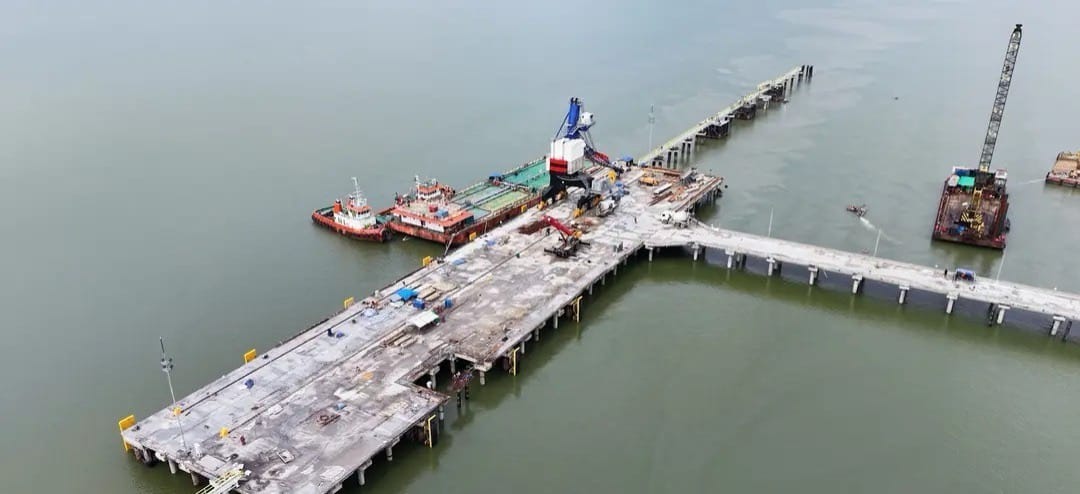
PSN Wanam in South Papua has shown significant progress. Some main facilities have already been completed 100%.
Several civil society figures organised a screening and discussion of the Pesta Babi film in Jakarta on Wednesday night (20 May).
Furthermore, he emphasised that the Wanam food estate project will bring benefits in the long term.
According to Maruli, the scrapping of nobar in several regions is the result of coordination and decisions by local governments for regional security.
Yusril said the government continues to respect artists’ freedom to create and express through the film.
The construction of sea walls in Tangerang Regency along 30.16 km and in Bekasi Regency along 3.3 km has become a controversial issue among coastal communities, especially fishermen.