
Lawmaker urges electrification to boost energy self-sufficiency
“The current situation is a reminder for Indonesia to strengthen energy self-sufficiency by utilizing domestic resources, especially electricity, amid global supply and price risks,” he said in a statement on Friday.
He said vehicle electrification is a strategic step to shift energy consumption in the transportation sector from fossil fuels to electricity.
“With more electric vehicles, energy consumption can rely more on the national electricity system sourced domestically,” he said.
Energy subsidies have increased significantly in recent years, rising from Rp95.7 trillion in 2020 to Rp159.6 trillion in 2023, and Rp203.4 trillion in 2024, mainly for fuel and LPG.
The total budget reached Rp394.3 trillion in 2025 and is projected at Rp210.06 trillion (around US$12.3 billion) in the 2026 draft state budget, with a large portion still allocated for fuel and LPG.
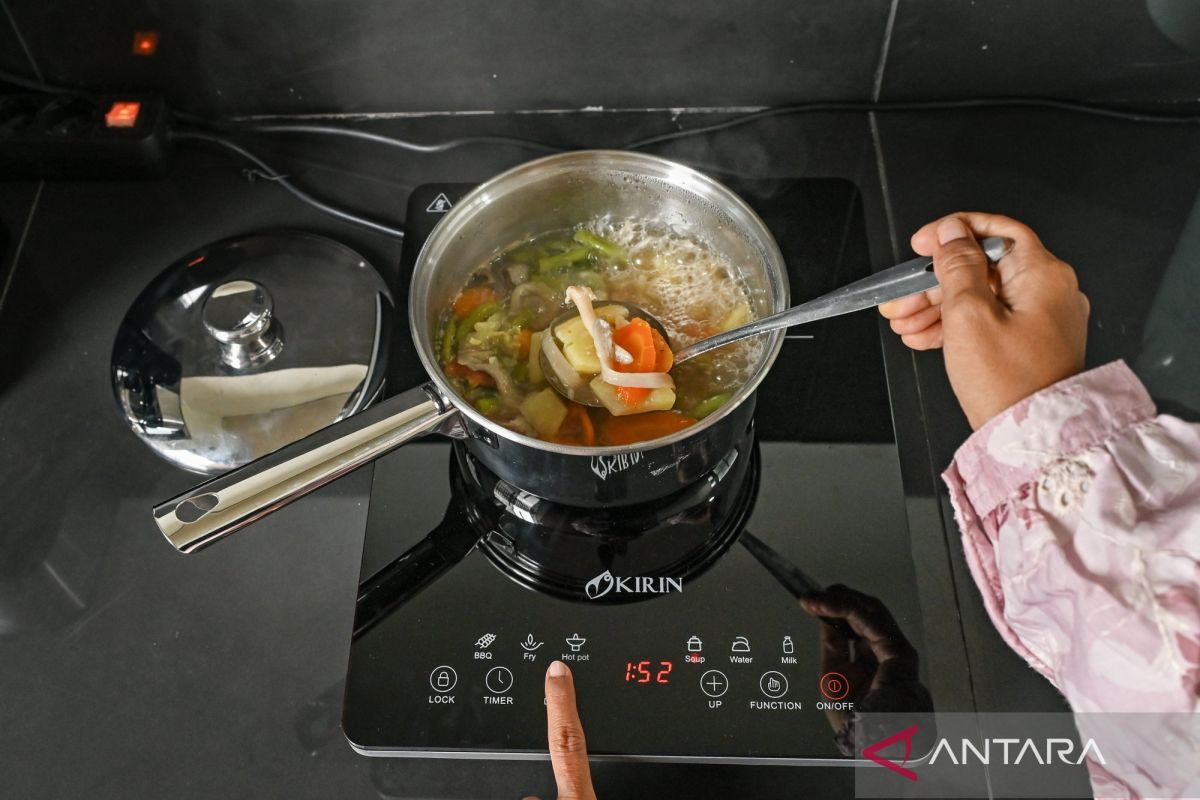
Sugeng also encouraged households to switch from gas to electric stoves.
“Electric stoves can be a more efficient alternative while utilizing widely available electricity networks,” he said.
He noted that both measures would support clean energy transition and help anticipate global uncertainty.
“Increasing domestic electricity consumption will strengthen the national energy system amid external pressures,” Sugeng said.
He added that electrification policies must be supported by sound regulations to ensure effective implementation without burdening the public.
“This way, the energy transition can proceed gradually while strengthening national energy security,” he said.
Related news: WFH policy seen as tactical strategy to reduce fuel consumption
Related news: Indonesia diversifies energy sources to reduce Middle East dependence
Translator: Subagyo, Yashinta Difa