
Lawmaker: Public Must Manage Sacrificial Animal Waste to Prevent Pollution
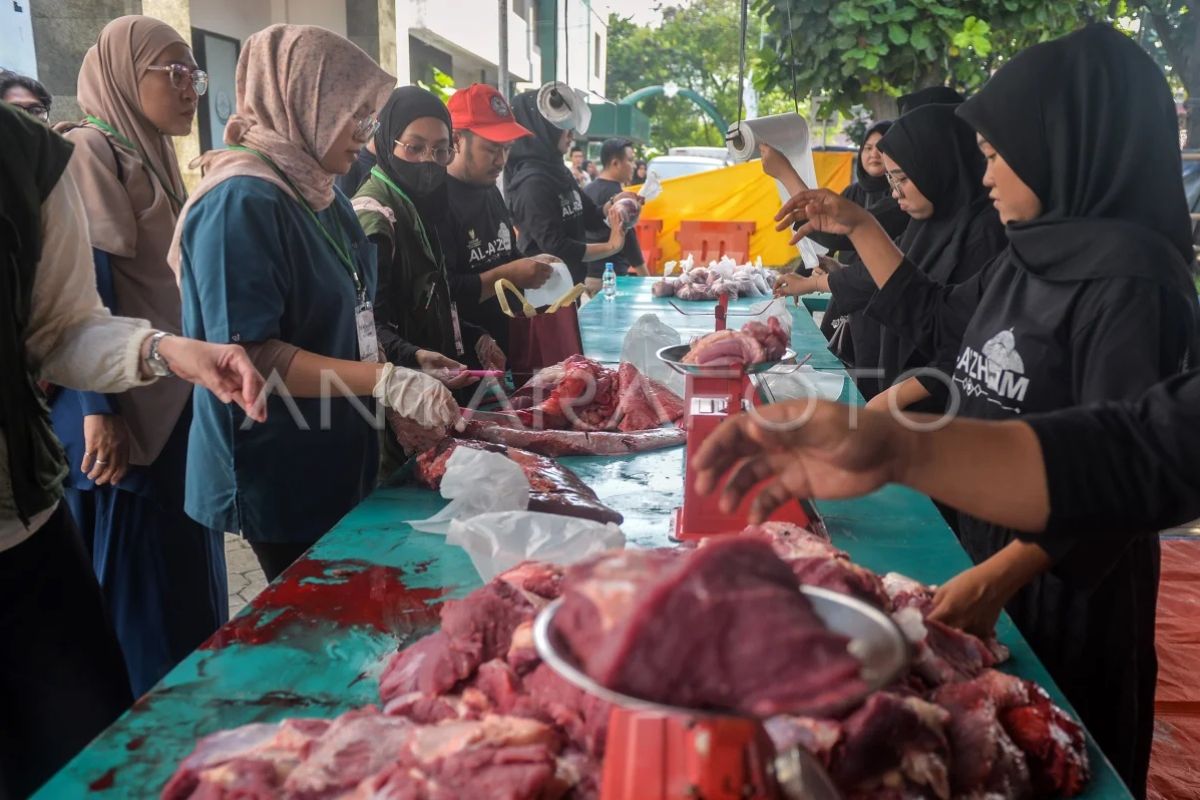
A task force has been established and provided education on the management and handling of sacrificial animals in collaboration with Bogor Agricultural Institute (IPB).
Tangerang (ANTARA) - Lawmakers have stated that the public must pay attention to waste from sacrificial animal slaughter to prevent pollution and maintain a clean environment.
“Environmental cleanliness, particularly the management of sacrificial animal waste before and after slaughter, must be maintained. It is everyone’s responsibility to remind each other,” said Tangerang City Regional House of Representatives (DPRD) member Sumarti in Tangerang on Wednesday.
She added that the slaughter of sacrificial animals must be conducted orderly, hygienically, and free from waste that could affect the surrounding environment.
Therefore, active involvement from local authorities is essential to continuously conduct socialisation and educate both sacrifice committees and the public on safe, healthy, and environmentally friendly sacrificial management.
“Sacrifice rituals must adhere to religious guidelines while also considering environmental cleanliness and health. We urge sacrifice committees to ensure the slaughter process is waste-free and animal sellers to manage livestock waste properly,” Sumarti said.
In addition to waste management, Sumarti stressed the importance of pre-slaughter health checks (ante-mortem). Sacrificial animals must be confirmed healthy, active, of appropriate age, free from defects, and free from contagious diseases, including Foot and Mouth Disease (FMD).
“Sacrificial animals must be confirmed healthy before slaughter. The public must not purchase animals that do not meet health or religious requirements,” she said.
Tangerang City DKP Head Muhdorun stated that a task force has been formed and provided education on sacrificial animal slaughter and handling procedures in collaboration with Bogor Agricultural Institute (IPB).