
Law No. 12 of 2022 on Sexual Violence Offences (TPKS) Seen as Underutilised; Enforcement Against Violence Toward Women Under Scrutiny
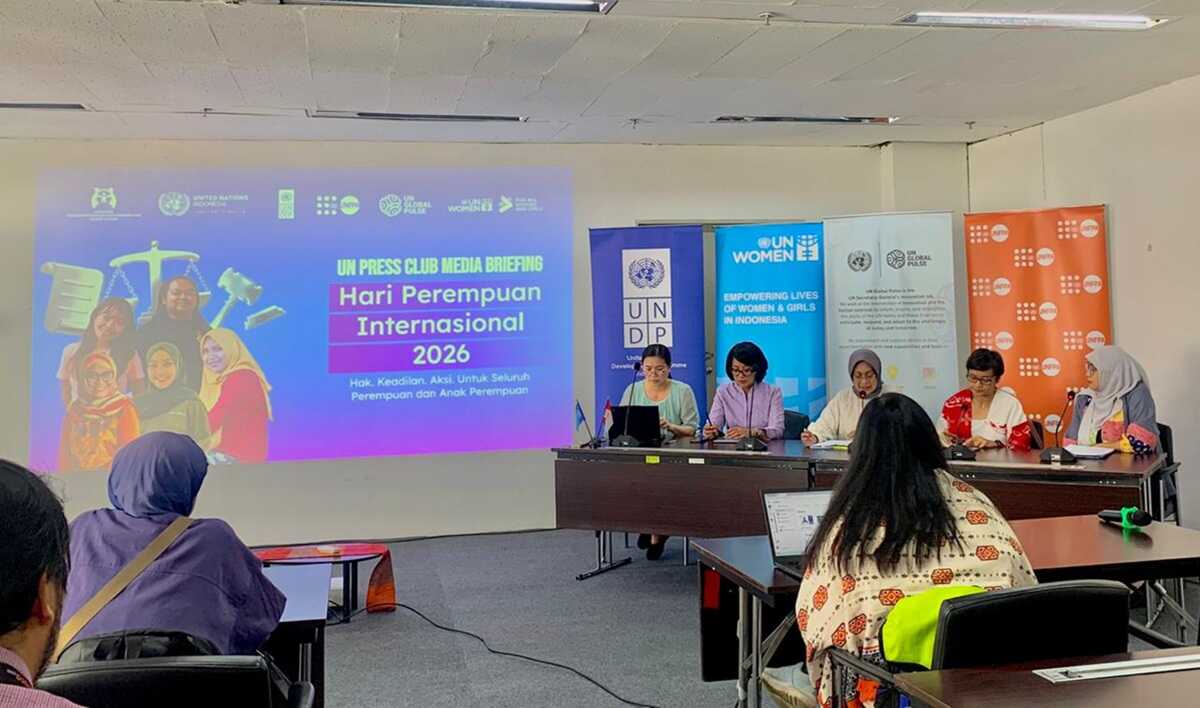
CEDAW, the Convention on the Elimination of All Forms of Discrimination Against Women, has been ratified by Indonesia as a foundation for policy toward gender equality. In enforcing the law, Dr. Amurwani Dwi Lestariningsih, Deputy for Gender Equality at the Ministry of Women’s Empowerment and Child Protection (KemenPPPA), emphasised Law No. 12 of 2022 on Sexual Violence Offences (TPKS). She described the TPKS as a legal instrument anchored in prevention, protection, and the recovery of victims. Unfortunately, enforcement of the TPKS remains on paper rather than fully implemented in practice.
One major hurdle is the difference in handling cases, given that most cases are dealt with by male law enforcement personnel. The majority of officers still apply the Penal Code (KUHP) rather than the TPKS. “If we use the Penal Code alone, the perpetrators’ sentences will be too light while the victims bear a heavy burden. Seen from the TPKS, it could amount to double penalties,” Amurwani said.
The same sentiment was echoed by Dwi Yuliawati, Head of Programmes at UN Women Indonesia. She urged law enforcement officers to remember the primary mandate of the TPKS: protection of victims. “The TPKS is really fine, so why are we still relying on KUHP? The special law must be consulted first rather than the general one. In short, implementation hinges on the law enforcers’ perspective and how people trust the law itself,” she said. “The special law must be referred to first.”
Ironically, International Women’s Day celebrations are often accompanied by reports of violence against women, which sometimes culminate in cases of femicide. “If we still normalise violence and if the judicial system does not recognise patterns of discrimination and gender-insensitive practices, then such cases will increase and go unaddressed,” Dwi declared. In UN Women’s briefing, Dwi outlined how the femicide pattern has been evident since violence by men against women occurred. Femicide can arise from the neglect of reporting such violence.
Beyond that, the law’s machinery that is gender-friendly is as important as preventive measures. “When women do not believe that justice will be delivered, prevention will not be perfect. When there is no guarantee, there will be no impunity and accountability,” stressed Dwi. During the discussion, Amurwani also noted Indonesia’s entrenched patriarchal culture as a driver of violence against women: “We need an understanding of gender-based approaches because structurally we live in a strong patriarchy. Dismantling norms and values takes time.”
The advent of Law No. 4 of 2024 is presented as a breakthrough to challenge old norms by requiring men to participate in women’s tasks and burdens. Under this regulation, husbands must be involved from the outset of pregnancy through to the postnatal period. In addition, Amurwani described how breaking patriarchy can start from small acts, such as everyday conduct around the dining table. “If we have eggs and chicken, and the father is served chicken first, then the elder son, then the daughter, when will the mother get nutritious food?”
Gender equality will only be realised if rights are guaranteed by law and justice is accessible without barriers. Although Indonesia’s policy framework has been grounded in CEDAW to guarantee protection for women, implementation remains unsatisfactory. The 2026 International Women’s Day will focus on ensuring and strengthening access to justice for all women and girls, including promoting an inclusive legal system and eliminating discriminatory policies.
Violence against women is not restricted to physical harm; it also includes silencing women’s voices. The National Life Experiences Survey of Women (SPHPN) shows a large gap between reported cases and the actual incidence. The piece also notes related developments in other countries and contexts to emphasise the global nature of gender-based violence and the need for robust prevention and enforcement mechanisms.