
Latest Forecasts on Oil Prices from Six Global Institutions: How Alarming?
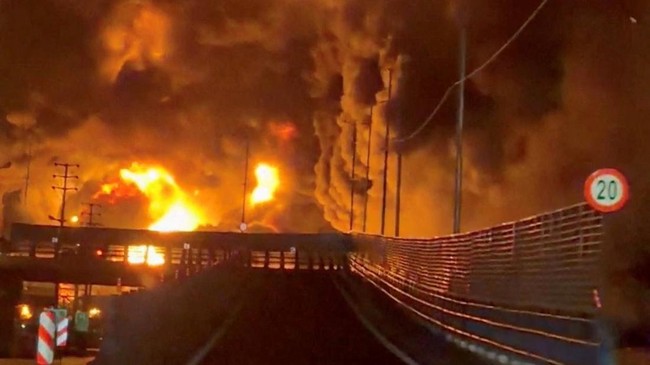
Oil prices are moving extremely volatile like a roller coaster, with intraday swings reaching 25% in a single day, only to fall double-digit percentages the next day. The question remains: at what price level will oil stabilise this year?
West Texas Intermediate (WTI) futures contracts rose 9.72% and closed at US$95.73 per barrel, whilst Brent crude surged 9.22% and closed at US$100.46 per barrel, marking the first closing above US$100 since August 2022.
Since the Iran versus Israel-United States conflict erupted on 28 February 2026, oil prices have risen 42%.
Yesterday’s oil price surge stemmed from concerns that crude oil supplies shipped through the Persian Gulf region would face extended disruptions beyond initial estimates. Iran’s new Supreme Leader, Mojtaba Khamenei, stated in his first public remarks that the Strait of Hormuz should remain closed. This hardline position suggests the market expects prolonged oil supply disruptions, particularly after several tankers in this narrow waterway were attacked by the IRGC (Iranian Revolutionary Guard Corps).
The situation has coincided with intensifying attacks among Iran, Israel, and GCC nations (Gulf states including Saudi Arabia, the UAE, and others).
Since the conflict began this month, oil tankers have been unable to collect supplies from the Gulf region, effectively halting approximately 20% of global oil trade. As a result, GCC nations have been forced to reduce production by up to 10 million barrels per day as their storage facilities are at capacity.
The International Energy Agency (IEA) has described this disruption as the largest in oil market history. To mitigate its impact, IEA member nations agreed to release 400 million barrels of strategic oil reserves to the market.
Given the continuing geopolitical tensions in the Middle East, the EIA’s latest report of 12 March 2026 has revised down its global oil supply growth projection for this year to approximately 1.1 million barrels per day. This figure represents a reduction of more than 50% compared to the previous February estimate of 2.4 million barrels per day.
In this latest projection, all global oil supply growth is expected to come from non-OPEC+ countries. The IEA estimates that global oil supply in March could potentially decline by approximately 8 million barrels per day.
Should geopolitical pressures continue to escalate, several global institutions project oil prices will remain elevated and could reach a peak of US$120 per barrel before eventually normalising.