
Largest dinosaur in Southeast Asia discovered in Thailand, weighing as much as nine elephants
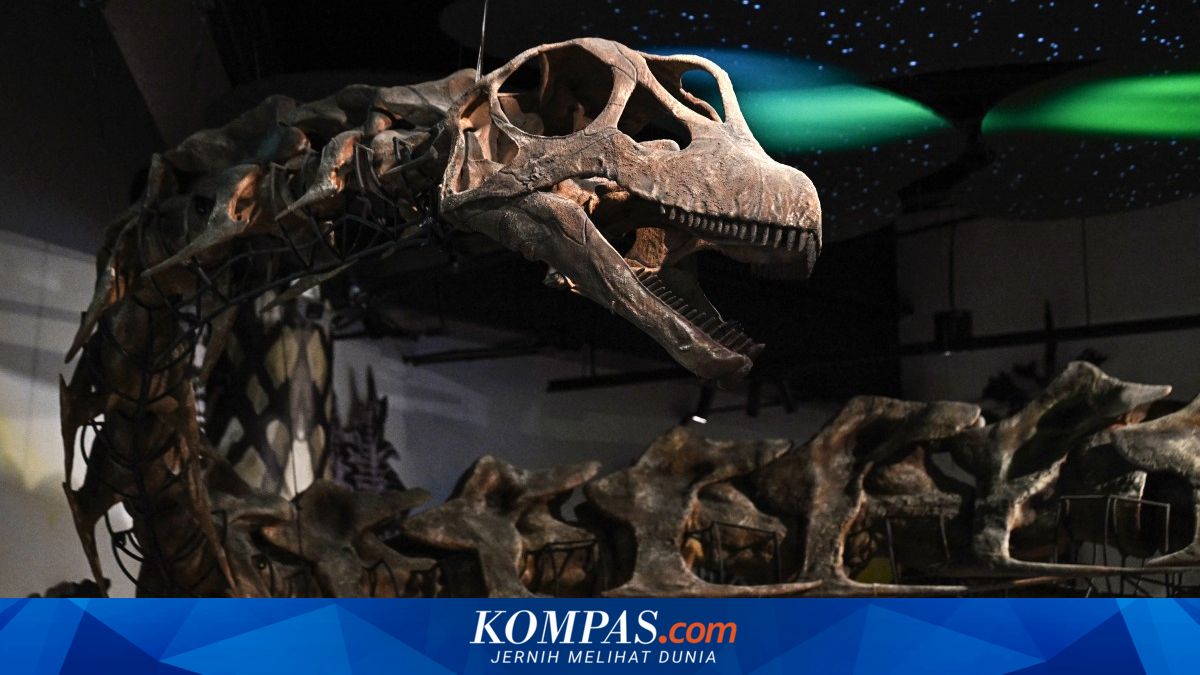
In a spectacular discovery in palaeontology, scientists have identified a new dinosaur species in Thailand, which is now regarded as the largest dinosaur ever found in Southeast Asia. The herbivorous giant has been named Nagatitan chaiyaphumensis. The species is described as the ‘Last Titan’ of Southeast Asia due to its colossal body size and its position in the geological timeline. After long analysis of vertebrae, ribs, pelvis, and limbs, a joint research team from University College London (UCL), Mahasarakham University, Suranaree University of Technology, and Sirindhorn Museum finally revealed its identity. Based on fossil evidence, one front limb bone of Nagatitan alone measured 1.78 metres, equal to the height of an average adult human. Scientists estimate the giant was about 27 metres long and weighed around 27 tonnes, equivalent to the combined weight of nine adult Asian elephants. The new species name is unique, combining Southeast Asian mythological and ancient Greek elements. ‘Naga’ from the serpent-like creature in Thai folklore; ‘Titan’ referring to the giant in Greek myth. ‘chaiyaphumensis’ honours the province of Chaiyaphum where the fossils were excavated. Nagatitan chaiyaphumensis officially becomes the 14th dinosaur species named in Thailand. It belongs to the Sauropoda, a group of long-necked, long-tailed dinosaurs similar to Diplodocus and Brontosaurus. Lead author Thitiwoot (Perth) Sethapanichsakul, a Thai PhD student at UCL Earth Sciences, explains why Nagatitan is nicknamed the ‘Last Titan’. Nagatitan lived during the Early Cretaceous period, between 100 and 120 million years ago. Its fossils were found in the youngest rock formation containing dinosaur fossils in Thailand. The younger rocks formed toward the end of the dinosaur era in this region likely did not contain dinosaur remains because the area had become a shallow sea. So, this may be the largest or most final sauropod we will find in Southeast Asia.