
Land Disputes Remain High, Komnas HAM Receives 3,264 Complaints over Five Years
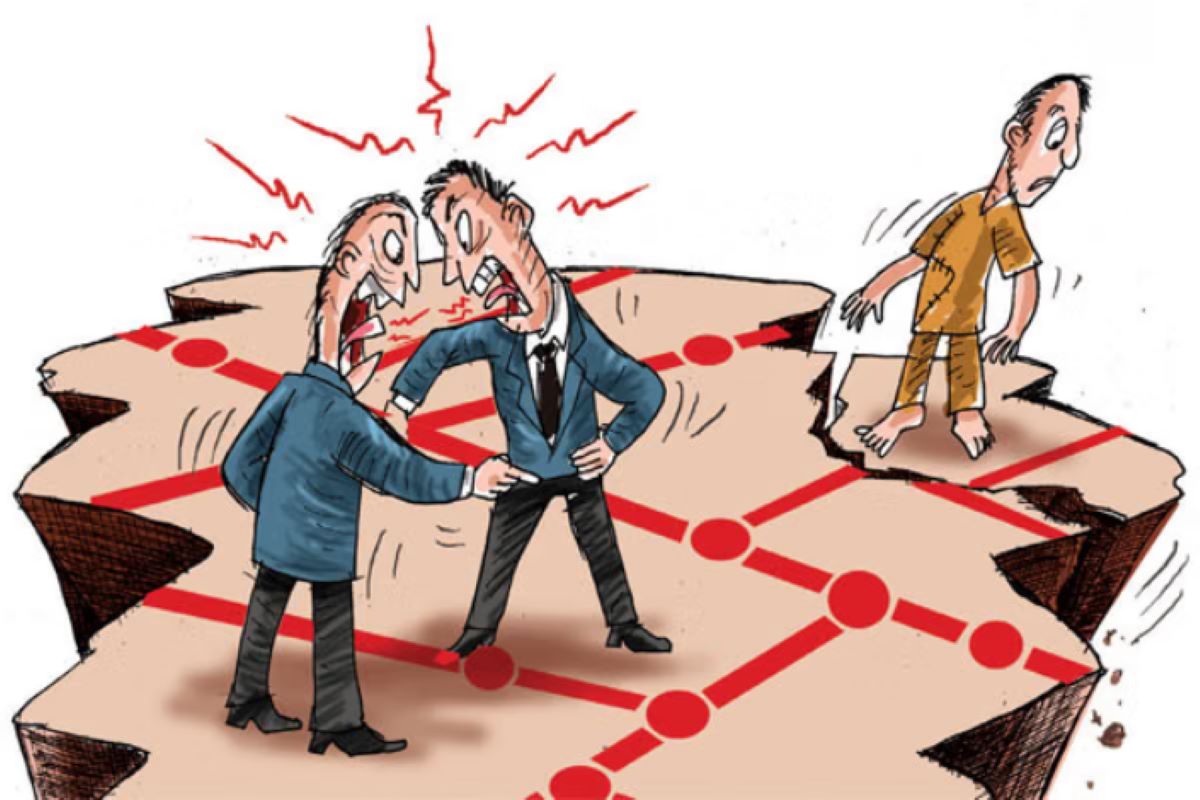
The state continues to face significant challenges in resolving the root causes of recurring land conflicts. The National Human Rights Commission (Komnas HAM) recorded 3,264 agrarian conflict complaints throughout the 2020-2025 period.
Uli Parulian Sihombing, Commissioner for Monitoring and Supervision at Komnas HAM, revealed that the escalation of land conflicts is concentrated in three main provinces: North Sumatra, West Java, and Central Kalimantan. These three provinces have become the focus of investigation due to their prominent dispute intensity and differing problem characteristics.
Conflict Typology by Region
In North Sumatra, conflicts are predominantly triggered by overlapping Business Use Rights (HGU) concessions between forest areas and community-worked land. This situation often results in the criminalisation of residents. “This is triggered because companies file reports about residents’ activities within their claimed concession areas,” Sihombing explained.
Meanwhile, in West Java, disputes are dominated by urban agrarian issues, such as those occurring in Tamansari and Dago Elos in Bandung. “The characteristics are property legality disputes, overlapping land certificates, and evictions in urban areas,” he stated. He added that fraud and document forgery practices are primary triggers in this region.
In Central Kalimantan, Komnas HAM highlighted land ownership disparities. Approximately 4 million hectares of land are controlled by corporations, whilst legally recognised customary lands comprise only around 100,000 hectares. “Conflicts are triggered by demands for plasma obligations or corporate social responsibility from companies and recognition of living spaces that communities have traditionally occupied,” Sihombing said.
Law Enforcement Dilemma
In its findings, Komnas HAM also highlighted the dilemma faced by the Indonesian National Police, who often handle only the criminal consequences downstream whilst root problems at the policy level upstream remain unaddressed. “The police are downstream handling criminal matters, whilst structural conflicts upstream often reach a standstill,” Sihombing stated.
Weak support from land ownership data from the National Land Agency (BPN) and related ministries further complicates the situation. Nevertheless, Sihombing emphasised that the police must firmly prosecute pure criminal offences involving land conflicts.
“Pure criminal offences such as land mafia, document forgery, authentic deed fraud, and organised fraud must still be prosecuted,” he concluded.