
Land Bank Agency Targets Rp400 Billion State Capital Injection to Develop BLBI-Seized Land in Karawaci
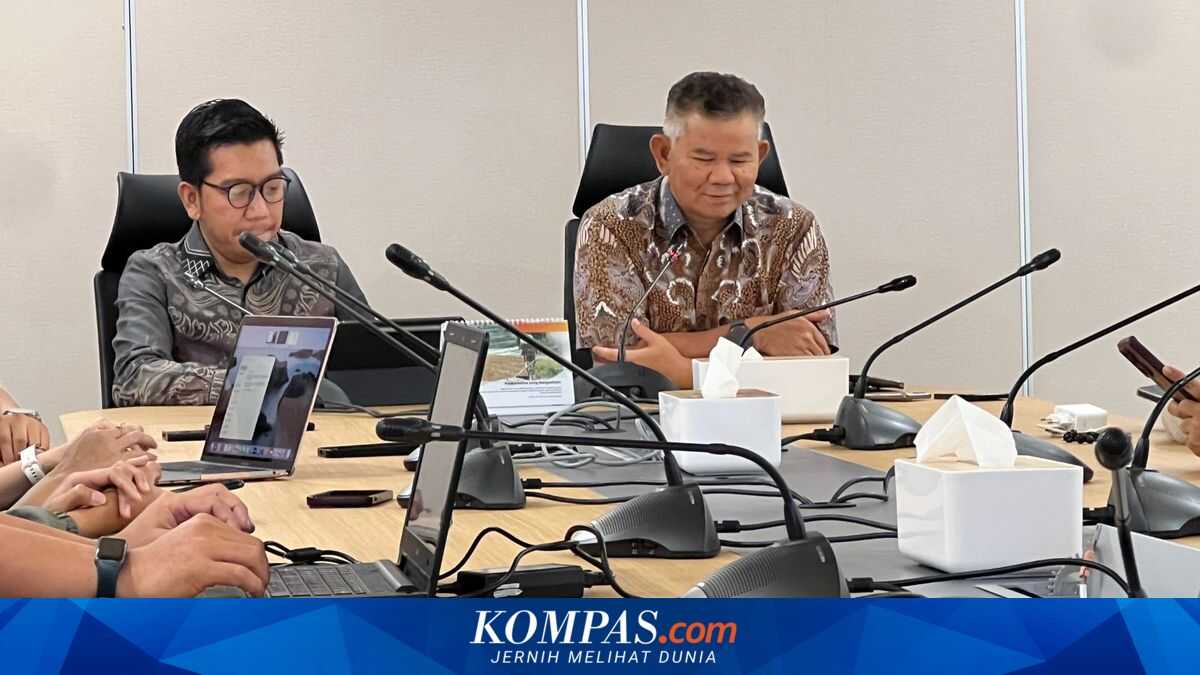
JAKARTA — The Land Bank Agency (BBT) is targeting a state capital injection (PMN) of around Rp400 billion this year to develop land seized in the Bantuan Likuiditas Bank Indonesia (BLBI) case in Lippo Karawaci. The funds will be used as part of developing a land bank, including potential for affordable housing. Acting Head of BBT Hakiki Sudrajat said the PMN plan is currently at the government regulation stage and awaiting further processing. ‘This year should be close. The bill is in PP, it is in RPP. It is already at the end,’ Hakiki said at a BBT event in Jakarta on Friday (6/3/2026). He explained that the PMN relates to land of about 3.7 hectares in the Karawaci area, valued at around Rp400 billion. The land will later carry the status of Hak Pengelolaan Lahan (HPL) managed by BBT. However, the detailed allocation will be decided after the HPL status is officially granted. ‘That will be HPL status for the Land Bank Agency. The allocation isn’t known yet, because we must first check the land’s suitability,’ he said. Hakiki added that the intended use must align with the Rencana Detail Tata Ruang (RDTR) set by the regional government. This is important to ensure that development does not contravene the spatial planning rules in force in the area. He noted that BBT cannot unilaterally determine the type of development before ensuring the land allocation aligns with the RDTR. ‘That area includes Lippo Karawaci’s RDTR. For example, the RDTR could be for rusun or a hotel. We cannot simply say we want to build rusun before confirming its suitability,’ he said. After the HPL status is granted, BBT will prepare development plans for the land in consultation with the local government regarding permits and spatial planning compatibility. If all planning and permitting are ready, the development will be opened to tender (lelang) to the public. In its development, BBT also opens up opportunities for cooperation with various parties, including property developers or government housing programmes. Hakiki noted that the development is likely to be undertaken by a developer.