
Lampung Provincial Government Plans Development of Public Port in Ketapang
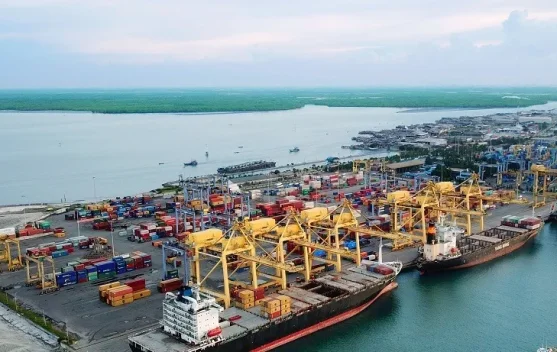
Lampung Provincial Government has begun designing plans for new maritime transport infrastructure development in the form of a public port in the Ketapang region of South Lampung. This strategic project is planned to utilise a 28-hectare area located in the Onaria Beach area.
Bambang Sumbogo, Head of the Lampung Provincial Transportation Office, explained that the project is currently in the early discussion stage with the Investment Coordination Board (BKPM). The port is planned to adopt a multipurpose concept with functions similar to Panjang Port to support regional logistics activities.
The development process will involve the private sector and investors as the primary drivers in financing and construction operations. The presence of this new port is expected to strengthen economic connectivity and maximise land assets owned by the provincial government.
“We have land there, perhaps we will eventually develop it into a public port. It is still early, still in the planning stages,” said Bambang on Friday, 13 March 2026.
Although still in the early planning stage, the port’s existence is projected to become a new solution for distributing commodities in southern Lampung. The local government continues to conduct thorough studies on the technical feasibility and economic impact that will result from the project.
Coordination with the central government through BKPM has become an important step to attract investment interest in the transport infrastructure sector in Lampung. Development of this area is also expected to create a new economic growth centre for communities in the port area.
Lampung Provincial Government is committed to overseeing this plan so it can be realised and provide long-term benefits for the region. The focus of infrastructure development remains directed at improving regional competitiveness through a more efficient logistics system.