
Lampung Ombudsman: Students Should Not Be Burdened by the Academic Ability Test (TKA)
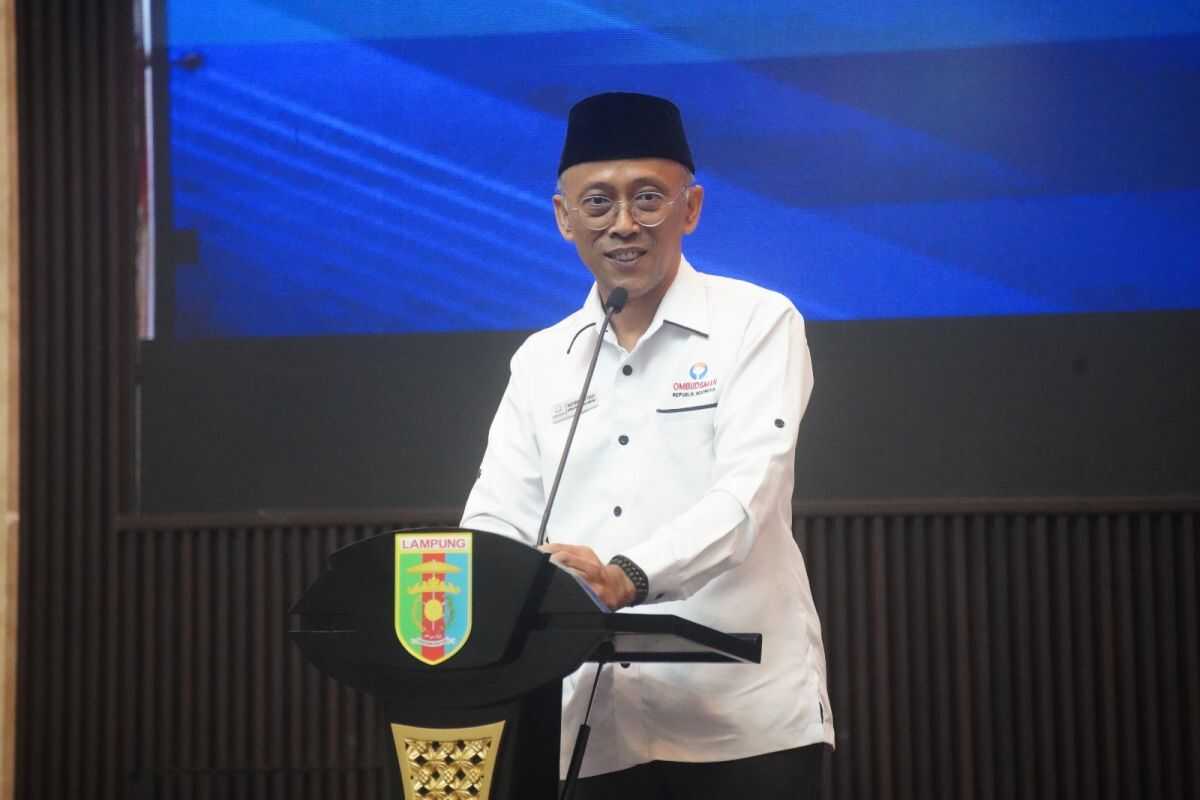
The Lampung representative of the Ombudsman of the Republic of Indonesia has stressed that students must not be burdened in carrying out the Academic Ability Test (TKA) due to limited facilities. “We are highlighting an edict related to the implementation of the Academic Ability Test by asking students to lend laptops to the school,” said Nur Rakhman Yusuf, Head of the Lampung Ombudsman Representative Office, in a statement in Bandarlampung on Thursday. He stressed that the request should not be mandatory, especially for students who are unable, as for some members of the community a laptop is still a luxury. “Therefore not every student may own a laptop. We have also received information that some parents cannot afford and do not have a laptop, and they are forced to seek rental or loaned laptops,” he said. He said that before the TKA, educational units should coordinate with the relevant agencies if facilities are not adequate, so that the best solution can be sought that does not burden parents. “The request to borrow a laptop for the TKA, although in the circular the demand is not mandatory, still has the potential to create social pressure and inequality for students who cannot afford it,” he said. He assessed that policies like this can create gaps in the school environment, because not all parents have the same economic capacity, so policies based on personal device ownership have the potential to discriminate against students from less well-off families. “Education services must be grounded in the principles of justice, non-discrimination, and must not impose a new burden on the public. The digitalisation of education must not be used as a reason to shift responsibility from the state to parents,” he added. The Lampung Ombudsman reminded that the principle is in line with Article 31 of the 1945 Constitution, which guarantees every citizen’s right to education, Law Number 20 of 2003 on the National Education System, which emphasises that education is conducted fairly and without discrimination, and Law Number 25 of 2009 on Public Services, which requires every public service provider to offer services that are decent, fair, and do not burden the public beyond legal provisions. “State schools must be felt to benefit all segments of society. Any policy must consider the socio-economic conditions of parents. Do not let there be students who feel pressured simply because of facility limitations,” he said.