
Lampegan Station, a Small Point in Cianjur Connecting the Southern Route
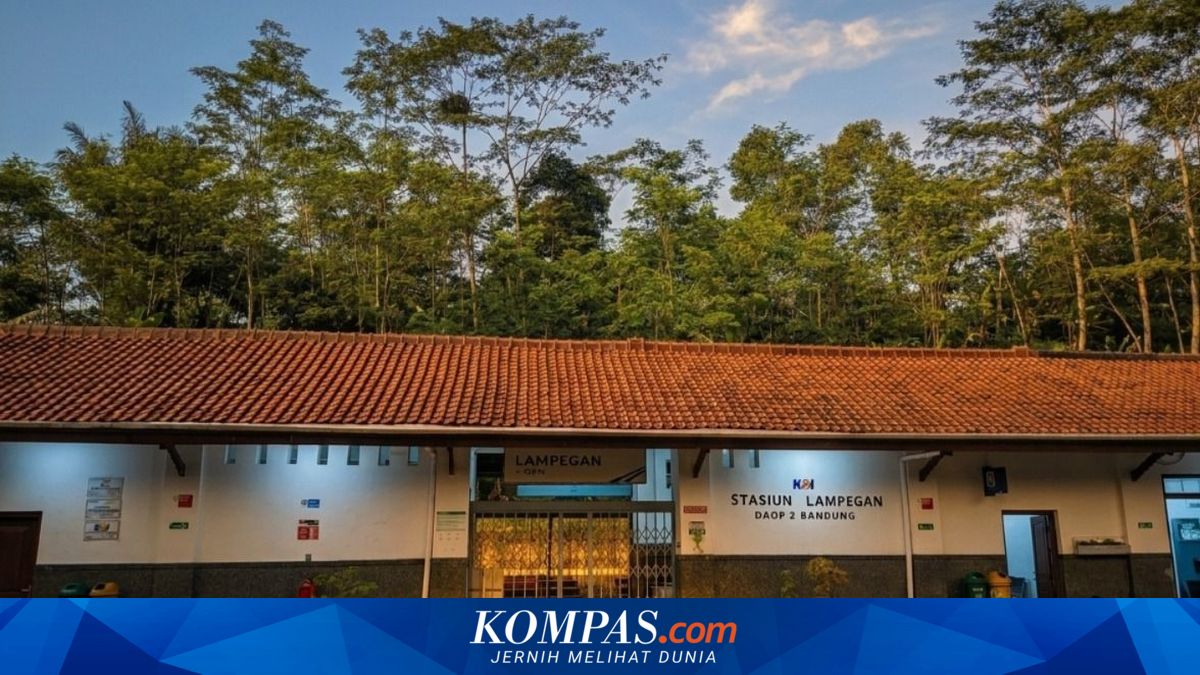
Lampegan Station in Cianjur Regency, West Java, served 8,482 departing passengers and 9,680 arriving passengers during January to March 2026. This figure marks an increase compared to the same period in 2025, with 7,502 boarding and 7,589 alighting passengers. “The growth in passenger numbers at Lampegan Station indicates that train services remain a preferred choice for people in various regions,” said Vice President of Corporate Communication for PT Kereta Api Indonesia (KAI), Anne Purba, in an official statement on Saturday (18/4/2026). Lampegan Station handles one main service, namely the Siliwangi train on the Cipatat–Sukabumi route (return). For the local community, this train is part of daily life, used for trading in the city, working, attending to needs, and returning home to meet family. Located amidst the green expanses of Cianjur’s hills, Lampegan Station serves journeys that may seem simple but hold great significance for the surrounding community. “At Lampegan Station, travel feels close to everyday life. In the morning, some depart carrying goods to the city. From afternoon to evening, others return with stories and the results of their efforts,” said Anne. The fare for the Siliwangi train ranges from Rp 2,000 to Rp 5,000, with the route keeping residents connected to activity centres in Sukabumi, Cianjur, and Cipatat. Around the station, community life thrives from agriculture, plantations, to tourism activities. Lampegan Station also holds a long historical trace as well as preserved architectural value to this day. The station was built during the period 1879–1882 and is closely linked to the existence of the Lampegan Tunnel, located not far from the site. The station building in colonial style with symmetrical form, large windows, and gabled roof maintains its originality, and has now been designated as cultural heritage by KAI’s Central Unit for Conservation and Architectural Design.