
Lack of Village Transportation Drives Growth of Unlicensed Travel Services
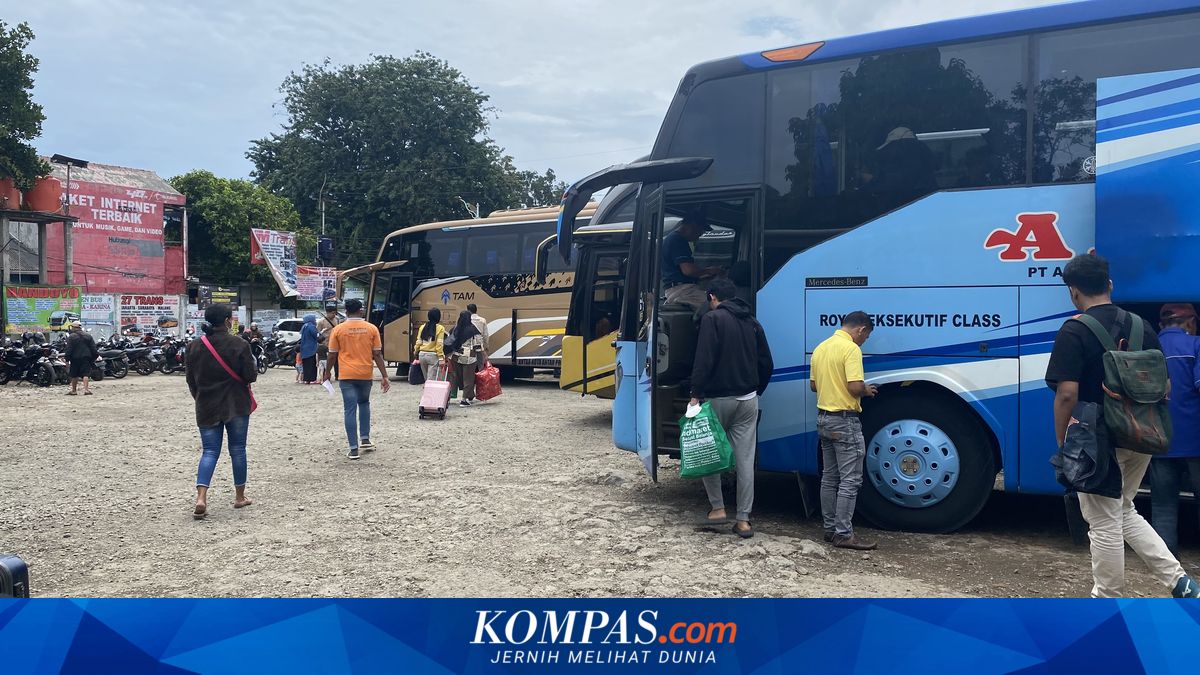
JAKARTA – The phenomenon of unlicensed travel services continues to emerge in Indonesia’s transport system, particularly during peak travel periods such as the holiday exodus season.
These illegal transport services typically offer greater flexibility, often delivering passengers directly to their final destination. This situation has led many people to continue using unlicensed services despite concerns regarding legality and safety standards.
Djoko Setijowarno, a transport observer at the Indonesian Transport Society, argues that unlicensed travel services could actually be suppressed or even eliminated if official public transport services in regional areas, particularly villages, were revived.
According to him, the prevalence of unlicensed services today is directly linked to the inadequate coverage of official transport services reaching village level. Consequently, people opt for unofficial transport services that can deliver them directly to their intended destinations.
However, Setijowarno acknowledged that reviving village transport services is not straightforward. It requires commitment from local government authorities and adequate budget allocations.
He believes village development funds could be utilised progressively to support local transport development, though to date there has been no clear guidance on their deployment for this purpose.
Additionally, Setijowarno recommended that the government, through the land transport sector, encourage inter-city inter-province bus operators (AKAP) to expand services closer to rural areas. According to him, AKAP buses need not stop only at major terminals but could serve smaller terminals at district or subdistrict level.
“If it reaches type C terminals at subdistrict level in a district, then getting to villages would not be too far anymore,” he stated.
Setijowarno cited the implementation of such a system in Wonogiri District, Central Java, as an example. He noted that the majority of AKAP buses from Jakarta serve routes down to subdistrict level in that area. Wonogiri District itself has approximately 25 subdistricts that can be served by such transport services.