
Lack of facilities hinders household waste sorting
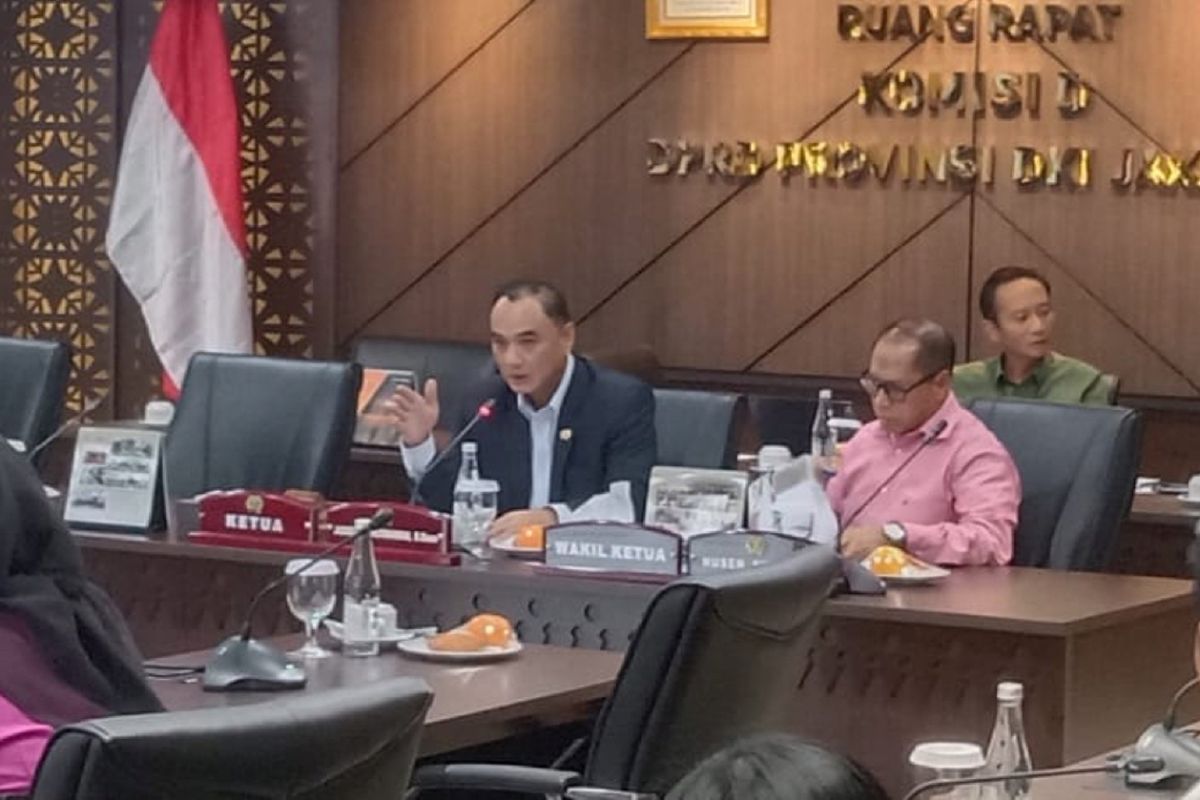
Jakarta (ANTARA) - Chairman of the Special Committee (Pansus) on Waste Management of the Jakarta DPRD, Judistira Hermawan, assesses that one of the reasons for the stagnation in household waste sorting is the lack of facilities provided to support the programme.
“If we have already sorted the waste at home, where do we put this waste once it leaves the house? We cannot just appeal without preparing the facilities,” Judistira said in Jakarta on Tuesday.
According to him, appeals to the public to sort waste have not been accompanied by readiness of facilities on the ground.
He also touched on the level of public understanding and discipline in supporting waste management, which is still not optimal. Therefore, education is deemed necessary to run alongside the provision of adequate facilities.
“The current waste management situation in Jakarta has entered the emergency category. This is the reason for the formation of the Pansus on Waste Management so that future handling is more directed and comprehensive,” Judistira said.
He explained that there are several factors that will be the focus of the Pansus discussions. Among them are the evaluation of waste management, increasing community involvement in reducing waste at the source, and strengthening family- and environment-based education.
In addition, policies from the Ministry of Environment and Forestry that limit the sending of waste to the Bantargebang TPST starting 1 August, where only residue may be sent, are considered a major challenge for the DKI Jakarta Provincial Government.
“We can no longer rely on Bantargebang. All parties must be involved in waste management in Jakarta,” he stated.
So far, he said, Jakarta has tended to rely on budget capacity to dispose of waste to Bantargebang. However, the current condition of that processing site is no longer able to accommodate the volume of waste from the capital.
Through the Pansus, the DPRD is pushing for the acceleration of facility provision, increased education, and policy synchronisation with regional development plans, including the 2026 Amended RKPD and the 2027 RKPD.
He hopes that with these steps, Jakarta can gradually reduce its dependence on Bantargebang, even targeting no longer sending waste to that location by 2029.
“The Pansus recommendations will be submitted to the governor so that waste handling can be carried out more quickly and comprehensively, although gradually,” Judistira said.