
Labour Ministry: Religious holiday bonuses strengthen relationships in platform-based work ecosystem
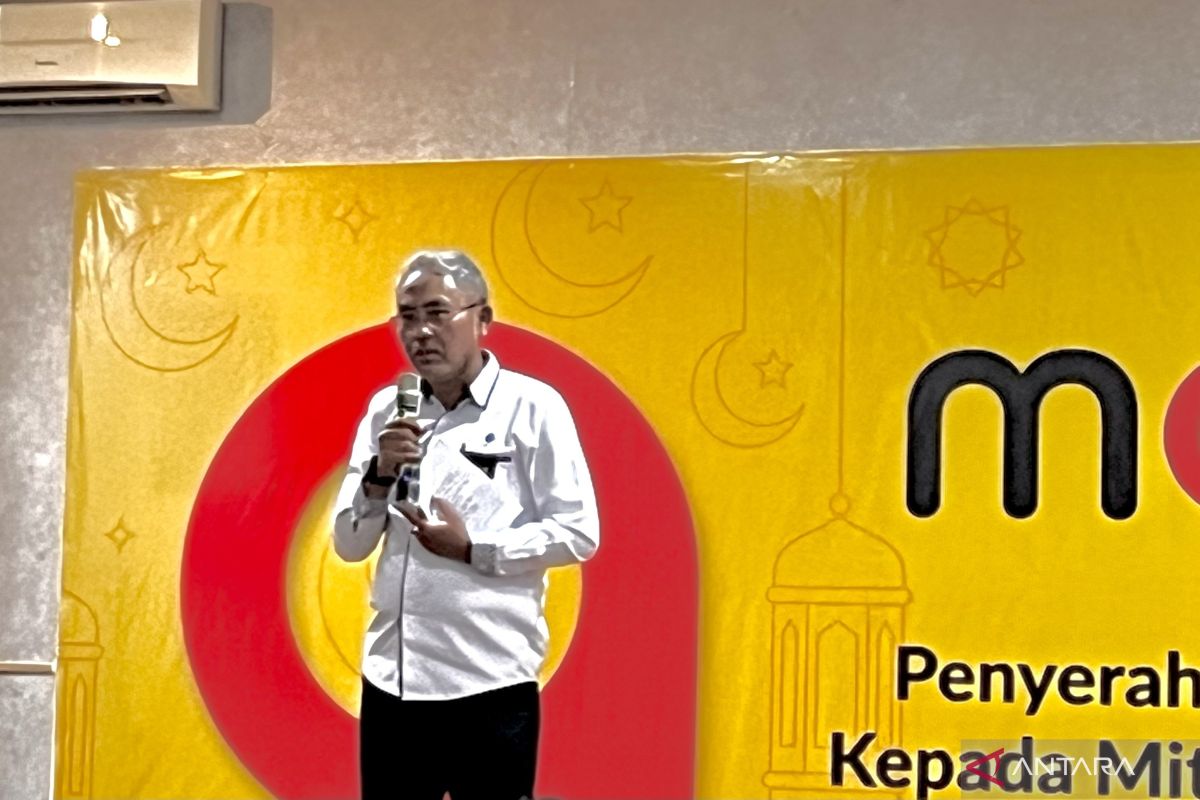
Jakarta — The Labour Ministry has assessed that the provision of religious holiday bonuses (BHR) represents one measure to strengthen the relationship between application-based transportation service providers and their driver-partners.
“This is an effort to strengthen better and more inclusive relationships within the platform-based work ecosystem,” said Nurdin Ady, the Labour Ministry’s Coordinator for Labour and Holiday Bonuses, in Jakarta on Tuesday.
The directive regarding BHR is contained in the Circular Letter of the Indonesian Labour Minister Number M/4/HK.04.00/III/2026 concerning the provision of religious holiday bonuses in 2026 for drivers and couriers in application-based transportation services, which was established on 2 March 2026.
Regarding recipients, the religious holiday bonus is to be provided by application companies to drivers and online couriers registered officially with the application company for the past 12 months. Consequently, registration status and partnership history become the primary reference in implementing the 2026 religious holiday bonus.
In terms of amount, the circular letter stipulates that the religious holiday bonus is to be provided in cash with a minimum value of 25 per cent of average net income over the past 12 months. This provision serves as the minimum threshold that application companies can use as a guide when calculating bonuses for their driver and courier partners.
Furthermore, the circular letter also specifies the deadline for providing the religious holiday bonus, namely no later than seven days before Eid al-Fitr 1447H.
“We view this step as a good demonstration of attention from the private sector towards driver-partners who play an important role in supporting application-based transportation services,” said Nurdin.
“We hope that initiatives like this can continue to develop and provide wider benefits for workers in the digital economy sector,” he added.
He assessed that the presence of application-based transportation and service platforms has opened up employment opportunities and new sources of income for the public at large.
“In this context, the driver-partners may have a very important role as the frontline in providing services to the public. Therefore, attention and recognition of the contribution of driver-partners is very important,” said Nurdin.