
Labour Minister Reveals Strategies to Enhance the Quality of Indonesia's Digital Talent
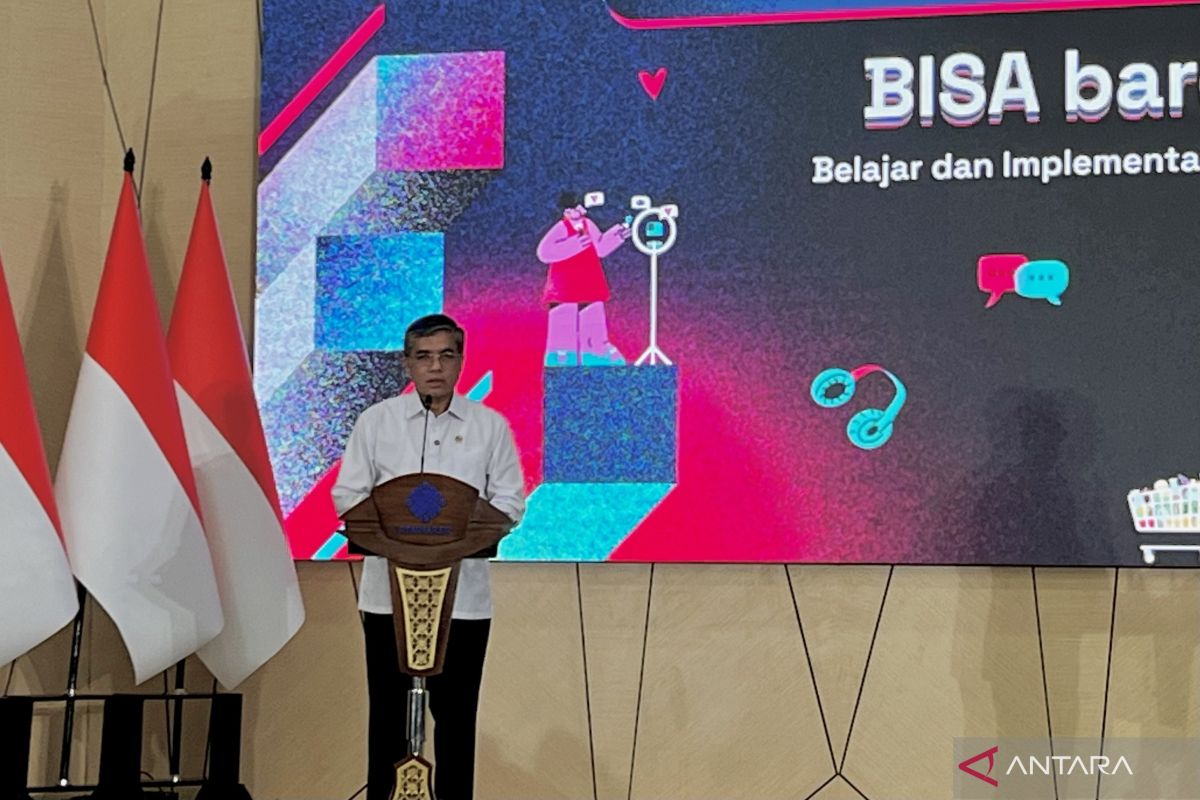
Jakarta (ANTARA) - Labour Minister Yassierli has revealed several strategies to improve the quality of Indonesia’s digital talent, which is assessed as still having a gap. “We want to fill the gap related to the digital sector, digital talent, or digital talent in Indonesia, which currently we still have a shortage, still a gap compared to other countries,” said Yassierli in Jakarta on Wednesday. He stated that the digital economy is one of the economic sectors with very rapid growth and development in the world. Therefore, the Labour Minister believes the government needs to pay attention to that sector through various programmes and collaborations with stakeholders, including industry players, so that the quality of digital human resources (HR) skills in Indonesia can be competitive and relevant to the times. “We are very aware that it is impossible for us to do it alone. Starting from preparing instructors, preparing the curriculum, preparing the certification scheme, preparing the certification process itself,” said Yassierli. “Thus, once again, collaboration with industry according to the ministry’s governance, it should become a necessity,” he added. Yassierli conveyed that the value of Indonesia’s digital economy is projected to approach $100 billion by 2025 and become the largest in Southeast Asia. “Thus, once again, the e-commerce sector, the sector related to content-driven commerce, this becomes one of the competencies that must be mastered by the nation’s children as the main part in the digital economy sector,” he said. In addition to government readiness and collaboration with the digital industry sector, Yassierli reminded workers or prospective workers interested in entering that sector to continue to have a growth mindset, so they are always ready to learn something new and hone existing skills, in line with changing times. “Mindset ready to learn something new because we realise that industries are shifting, industries are developing. I often say that in the next 10 years, 50 percent of the current business processes in the industry will become irrelevant. Many new ones, there are many jobs, job titles, that are now growing big, even though maybe five years ago they didn’t exist,” he explained. In enhancing the skills of young HR, he continued, one of them is carried out through the National Vocational Training Programme and National Internship which equips participants with various knowledge and expertise needed by the industry and the current world of work. “We hope this can indeed be part of the solution to solve the problems related to link and match, the skills demands when they work and the needs from the industry,” said the Professor at the Bandung Institute of Technology (ITB).