
Labour Minister Ensures Workers' Salary and Leave Rights Remain Fulfilled Despite WFH Policy Implementation
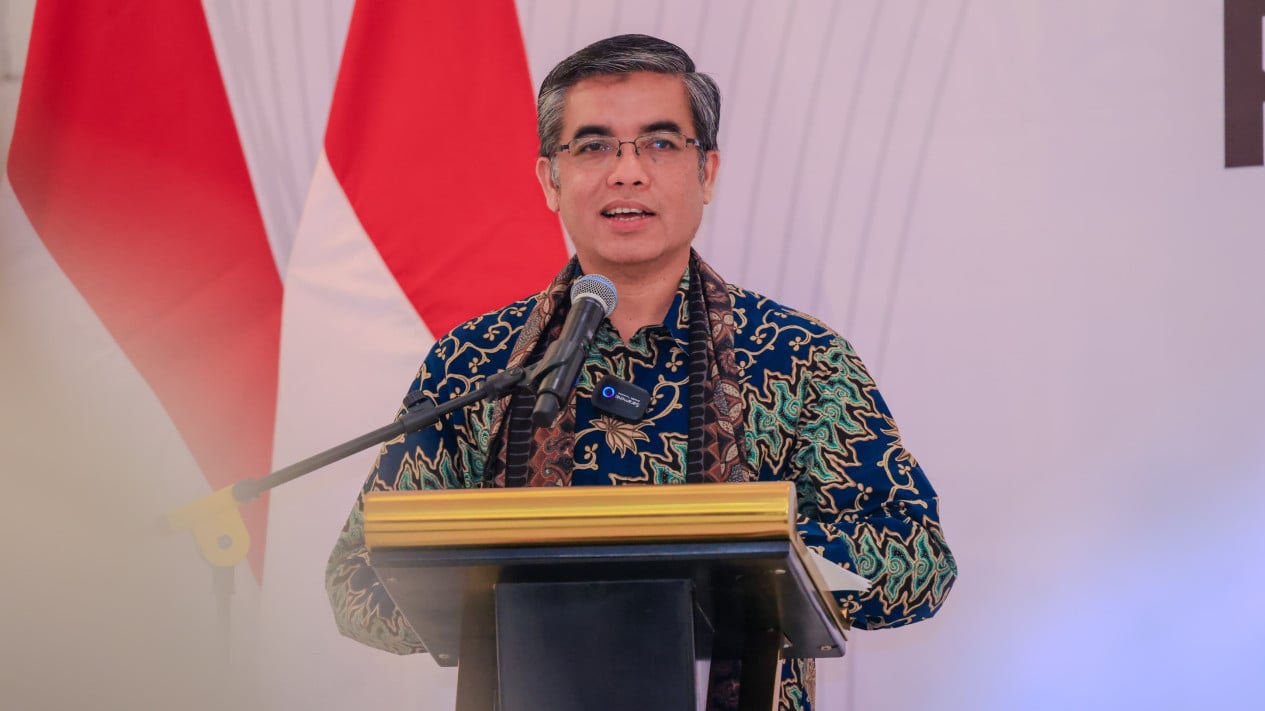
Jakarta, VIVA – The Minister of Manpower (Menaker) Yassierli has emphasised that workers’ rights, such as salaries and annual leave, must still be fulfilled even as the work-from-home (WFH) policy is encouraged for implementation one day per week across various sectors.
This policy applies to private companies, State-Owned Enterprises (SOEs), and Regional Owned Enterprises (ROEs) as part of the government’s efforts to optimise energy utilisation while promoting more adaptive and sustainable work patterns.
“The leaders of private companies, State-Owned Enterprises (SOEs), and Regional Owned Enterprises (ROEs) are encouraged to implement work-from-home for workers or labourers for one working day per week,” said the Menaker during a press conference in Jakarta on Wednesday, 1 April 2026.
This encouragement follows directives from President Prabowo Subianto, which were formalised in the Circular Letter (CL) of the Minister of Manpower of the Republic of Indonesia Number M/6/HK.04/III/2026 on Work From Home and the Energy Utilisation Optimisation Programme in the Workplace.
He explained that this policy is not only about work flexibility but also part of the national strategy to strengthen energy resilience. The government seeks to encourage efficiency in the use of electricity, fuel oil (BBM), and other energy sources in work environments.
Additionally, the policy is expected to create a more productive, adaptive work culture while maintaining service quality in every business sector.
Nevertheless, its implementation will consider the conditions of each company. The arrangement of WFH working hours is entirely left to the companies according to operational needs.
The government emphasises that the WFH policy must not reduce workers’ rights in any way. Salaries must still be paid in full, as well as other rights including annual leave.
The provisions in the WFH CL include that wages or salaries and other rights must be paid according to regulations; the implementation of WFH does not reduce annual leave; workers or labourers carrying out WFH must still perform their duties and obligations.
Furthermore, companies are required to maintain performance, productivity, and service quality at optimal levels even if work is conducted in a hybrid or remote manner.