
Labour Crisis Deepens as Humanoid Robots Readied to Replace Humans
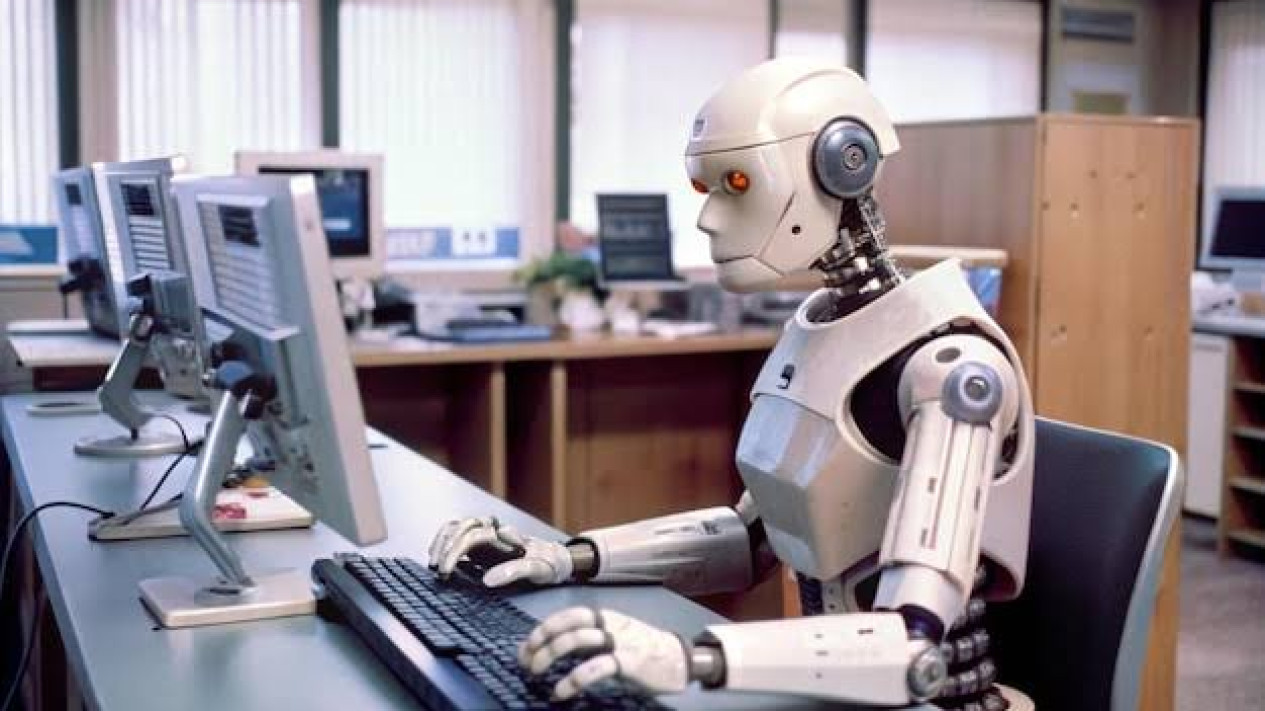
Jakarta, VIVA – A worsening global labour crisis is driving accelerated development of humanoid robots, with technology once seen as futuristic now viewed as a practical solution to workforce shortages caused by declining birth rates and population ageing.
The issue was a key topic at the two-day Humanoids Summit in Tokyo, Japan, which brought together tech firms, policymakers, and robotics experts to discuss advancements and future applications.
Brendan Schulman, Vice President of Policy at Boston Dynamics, stated many nations face serious demographic challenges. “In Japan, the United States, and globally, we do not have sufficient birth rates to maintain the workforce we need,” he said, citing The Japan Times on 31 May 2026.
Schulman added that declining birth rates have triggered unprecedented investment in robotics. “The drop in birth rates is driving unprecedented investment in robots,” he noted, adding that the significant economic potential is intensifying international competition. “There is substantial downstream economic value, which naturally fuels a highly competitive global market.”
Management consultancy McKinsey estimates the global robotics market will reach $370 billion (approximately £300 billion at current exchange rates) by 2040. This potential has led governments worldwide to view AI-powered robots as a key solution to enhance productivity and address labour shortages.
Japan, grappling with an ageing population and declining population, is among the most serious in developing the sector. Under Prime Minister Sanae Takaichi, the government has set a target for Japan to capture 30% of the global AI robot production market by 2040. Interest in humanoid robots has grown due to advances in physical AI.