
Kuningan Regency Develops Coconut as a Leading Regional Commodity
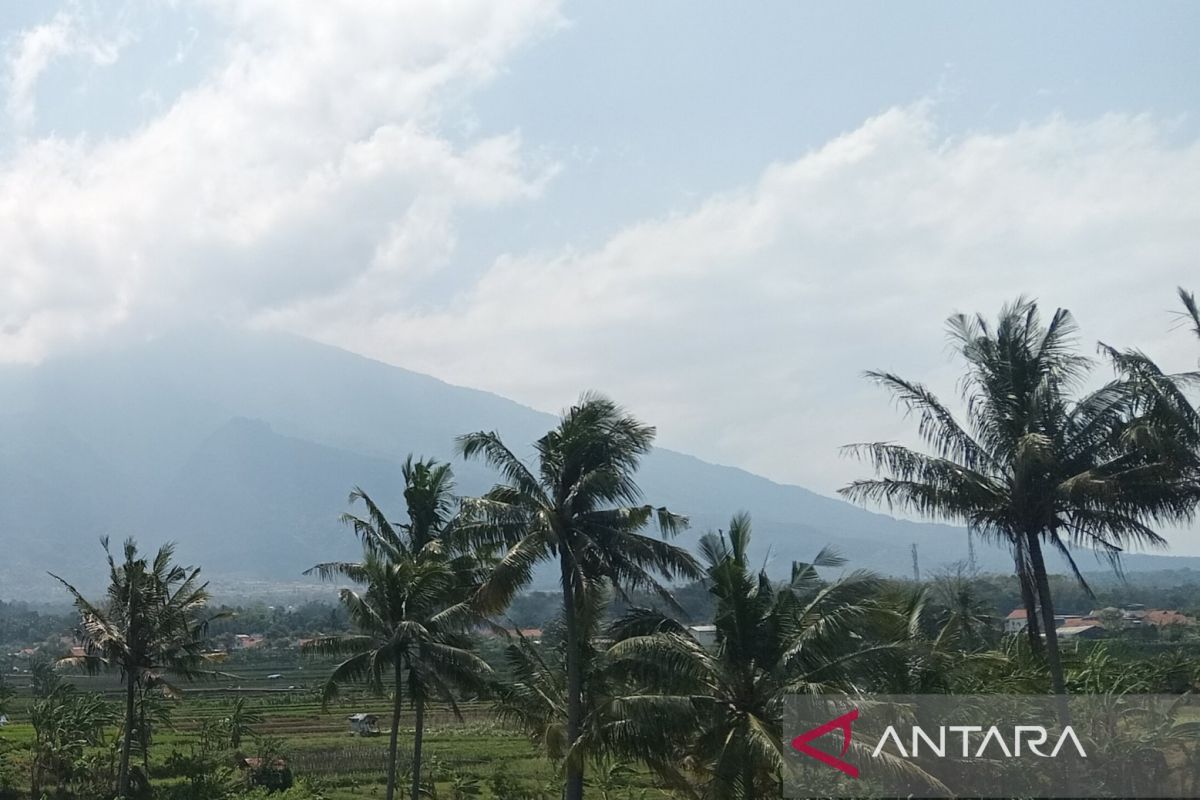
The Kuningan Regency government in West Java is developing coconut as a leading regional commodity to strengthen rural economies and increase added value for farmers.
Head of the Food Security and Agriculture Office (Diskatan) of Kuningan Regency, Wahyu Hidayah, in Kuningan on Thursday, stated that the coconut commodity has significant potential as it is spread across several areas and serves as an additional income source for rural communities.
She explained that the future development of the coconut commodity will not only focus on increasing production but will also be directed towards strengthening downstream processing and business partnerships so that farmers can obtain greater added value.
“We want coconuts in Kuningan to no longer be positioned as a supplementary commodity, but as a strategic commodity capable of providing added value and driving the rural economy,” she said.
She mentioned that coconut production in Kuningan Regency in 2025 will reach around 3,588.41 tonnes, with a land area of approximately 4,007 hectares.
However, Wahyu said, the development of this commodity still faces several obstacles, from traditional cultivation patterns and small-scale farmer businesses to limited market access.
In addition, she noted that coconut marketing in the area still relies on local markets and the role of middlemen, so farmers’ bargaining position is not yet optimal.
“The coconut processing industry in the area has also not developed optimally, so the added value received by farmers is still low,” she said.
She explained that the local government is running a plant rejuvenation and cultivation intensification programme in several areas to strengthen the development of this commodity.
In 2025, continued Wahyu, the local government has distributed 38,500 dwarf coconut seedlings and 115,500 kilograms of organic fertiliser to support the development of around 350 hectares of land.
In addition, Diskatan has proposed coconut development on 550 hectares and has received approval for development on 200 hectares from the central government in 2026.
Wahyu also conveyed that strengthening business partnerships and trading systems is needed so that the coconut commodity has higher competitiveness and can improve farmers’ welfare.
She added that in-depth analysis regarding the market structure and partnership patterns of the coconut commodity was conducted by the Indonesian Business Competition Supervisory Commission (KPPU) on Monday (4/5).
“By exploring trading data and the real conditions of the coconut sector in Kuningan Regency, it can become part of strengthening healthy business competition in the plantation sector,” she said.