
Kuningan Prison Vows Clean-Up with Raids and Urine Tests
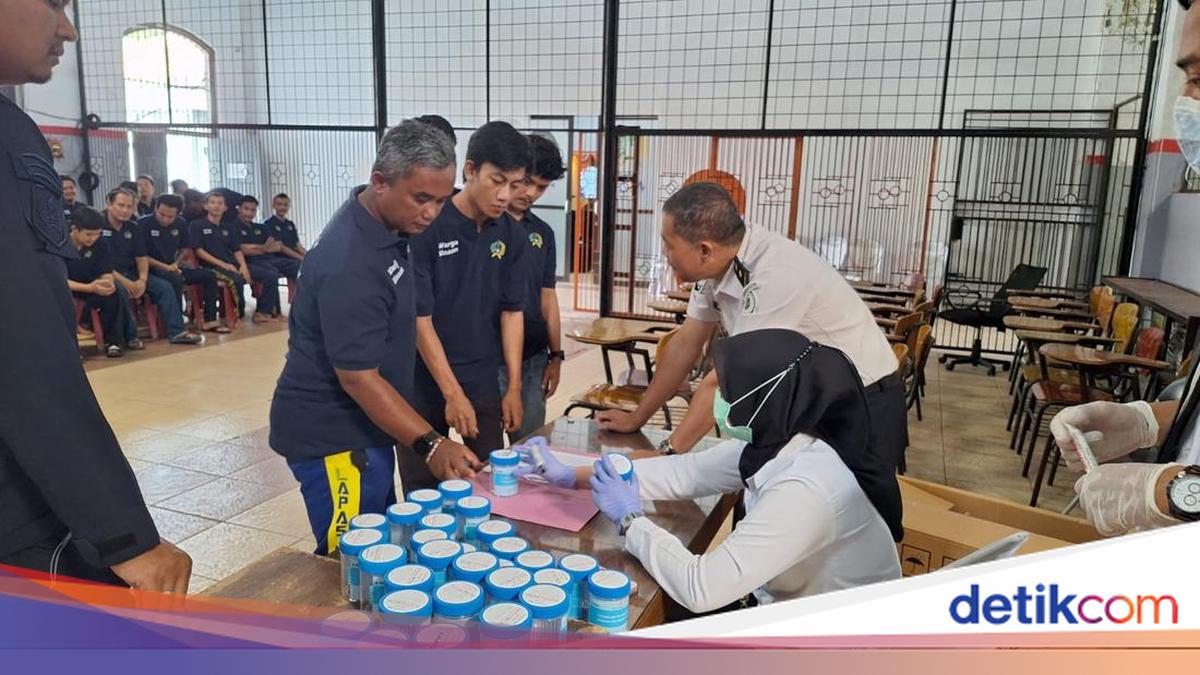
Quoted on Friday (8/5/2026), the event was attended by elements from the TNI, Polri, BNN/BNNK, the Kuningan Regency Local Government, academics, community organisations, media personnel, and all staff of the Class IIA Kuningan Prison. In his speech, the Head of Class IIA Kuningan Prison, Sukarno Ali, emphasised that combating illegal mobile phones, narcotics, and fraudulent practices is a serious concern for the Ministry of Law and Human Rights and the Directorate General of Corrections. He conveyed a commitment to zero tolerance for all forms of violations related to HALINAR, namely illegal mobile phones, extortion, and narcotics. Staff or inmates proven to be involved will be dealt with firmly in accordance with applicable regulations, he stated. In addition, all staff are encouraged to continue enhancing supervision, early detection, and maintaining integrity in carrying out duties as the frontline guardians of security and order in the correctional environment. On the same occasion, the Deputy Regent of Kuningan Regency, Tuti Andriani, requested that this pledge moment be used as a turning point. She asked everyone to commit in their hearts to return to society as better, more responsible individuals who are beneficial to many people. “The war against drugs is not just the task of law enforcement, but the task of all elements of society. We all have the same responsibility to combat things that damage the nation’s generation,” Tuti added. After the pledge ceremony, the activities continued with raids on inmates’ living quarters as an early detection and prevention measure against the circulation of prohibited goods within the prison. Subsequently, urine tests were conducted on all inmates and all employees to ensure that the Class IIA Kuningan Prison environment is free from drug abuse. Through this activity, it is hoped that stronger synergy will be built between the Class IIA Kuningan Prison and law enforcement agencies, local government, and all elements of society in realising clean, safe, and illegal practice-free corrections.