
Kulon Progo Reintroduces 'Sego Tiplek', a Traditional Culinary Dish with 70 Years of History
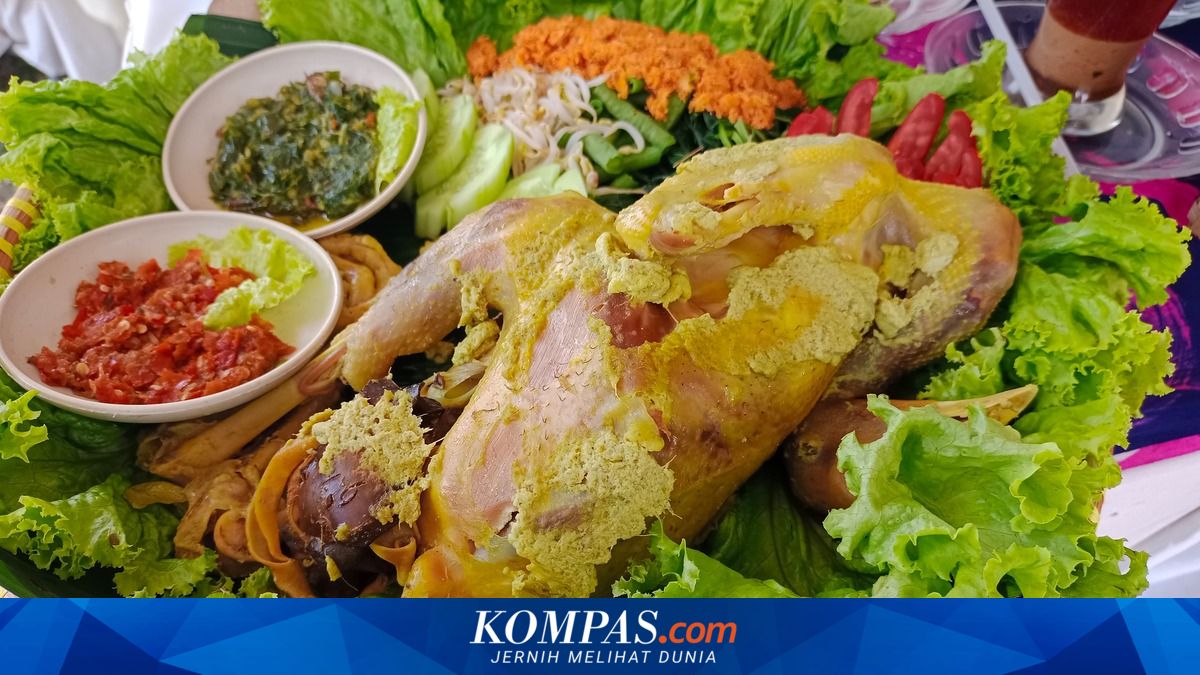
KULON PROGO, KOMPAS.com — A unique culinary dish is attracting tourists visiting the Segajih hamlet, Hargotirto village, Kokap sub-district, Kulon Progo regency, in the Special Region of Yogyakarta. Locals call it ‘Sego Tiplek’, rice wrapped in a prism-shaped banana leaf, with a dense yet soft texture and a distinctive, savoury aroma. “This ‘Sego Tiplek’ was originally a farmer’s meal that has now become a flagship menu for the tourism village,” said Ali Subkhan, Head of Hargotirto Tourism Village, on Friday (15/5/2026). According to Ali, this culinary tradition almost disappeared. He then rediscovered it at Pasar Magangan, a small traditional market in the Segajih area that only operates on Legi and Pon market days. Sego Tiplek is rice cooked by steaming it in banana leaves with a little coconut milk. The cooking process still maintains the traditional method, using firewood for approximately one hour. In addition to producing a distinctive aroma, this method is also believed to make the rice last longer. The final result is rice with a savoury and slightly salty flavour. In the past, farmers usually ate Sego Tiplek with simple side dishes such as tempeh or tahu bacem. This meal became a staple when working in fields far from home. “Because it can last, from morning to afternoon,” said Ali. These preservation efforts are now bearing fruit. Sego Tiplek has become one of the favourite dishes for tourists visiting Hargotirto, including honoured guests. Not only is it served traditionally, but variations of the menu have also developed. Currently, Sego Tiplek is often combined with local dishes such as ingkung ayam (chicken cooked in coconut milk) and botok tawon (a dish made from bee larvae), creating a unique flavour combination not found elsewhere. Currently, the production of this rice is no longer limited to consumption by farmers. There are now several producers, especially during large tourist visits. Its marketing has also expanded, including at the car-free day (CFD) area of Alun-alun every Sunday morning. “The price is around Rp4,000 per package,” said Ali. Furthermore, Sego Tiplek has also been proposed as an Intangible Cultural Heritage (WBTB) by the local government through the relevant department. This process has been ongoing for about two years, with stages of historical verification, identification of practitioners, and the production process. The people of Hargotirto hope that this culinary dish will not only survive but also become more widely known as part of the cultural identity of Kulon Progo. KOMPAS.com is committed to providing clear, trustworthy, and balanced facts. Support the sustainability of quality journalism and enjoy ad-free reading by joining KOMPAS.com Plus now.