
KuALA Network Urges Simplification of Licensing System for Fishermen
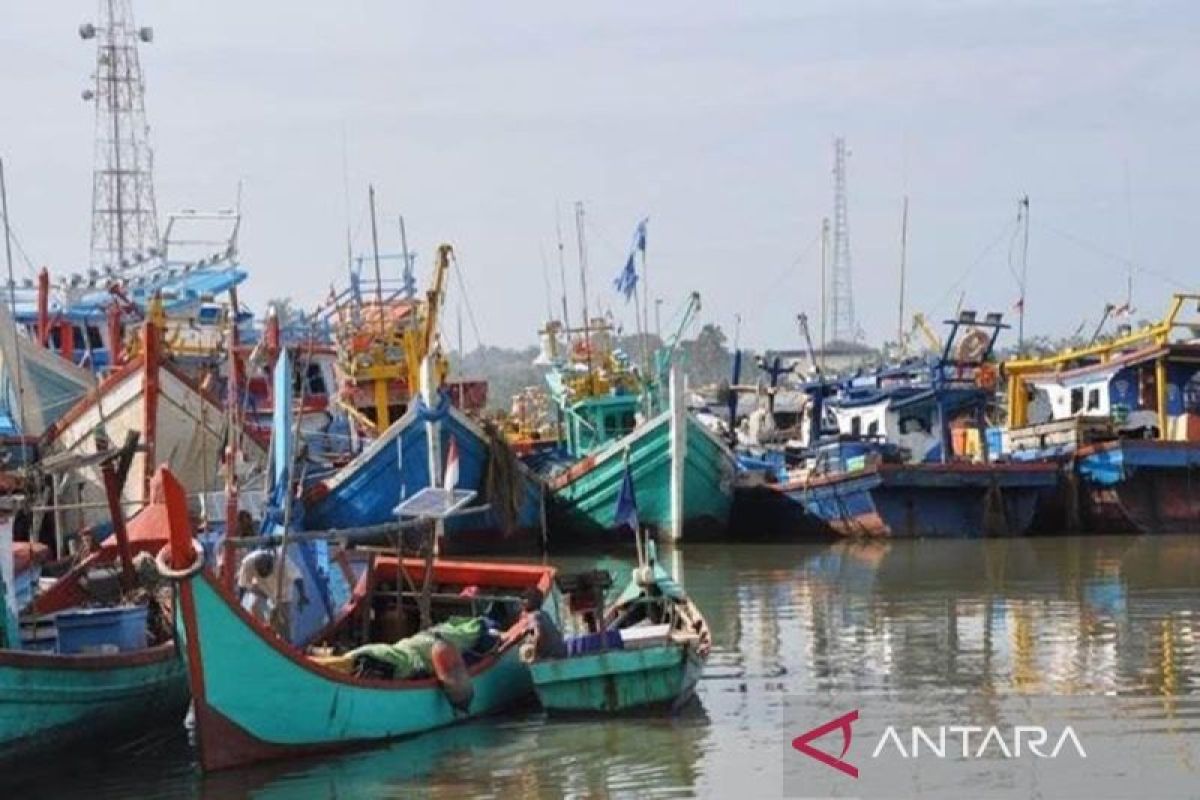
Banda Aceh (ANTARA) - Civil society organisations under the Aceh Sea Advocacy Coalition Network (KuALA) have urged both central and local governments to simplify the licensing system for fishermen.
KuALA Network Secretary General Gemal Bakri in Banda Aceh on Friday described the current licensing system for fishermen as difficult, multi-layered, and lacking transparency, failing to support fishermen adequately.
“We from the KuALA Network continue to push for the simplification of the licensing system. The licensing system must be a one-stop, transparent, quick, and affordable process,” he said.
Gemal Bakri noted that the bureaucratic chain for fishermen’s fishing permits is quite lengthy, involving the Marine and Fisheries Office (DKP), Marine and Fisheries Resource Supervision (PSDKP), and the Harbour Master.
The impact of this multi-layered licensing has given rise to corrupt practices. Fishermen who want to work are forced to pay additional fees to process permits that should be their administrative right, Gemal Bakri stated.
In addition to the difficult licensing system, he said, government-issued regulations also hinder fishermen, such as Law Number 6 of 2023 on Job Creation and Government Regulation Number 11 of 2023 on Measured Fishing.
“Those regulations limit fishermen’s capture areas or zones according to vessel capacity or tonnage. Such rules actually complicate fishermen’s lives,” he said.
Meanwhile, on the other side, fishermen also face a real crisis at sea, with declining catches, rising operational costs, and climate change worsening uncertainty.
“This is a form of disguised extortion legalised by the complexity of the system. It means the state is absent in protecting them and instead adds pressure through unfair regulations,” said Gemal Bakri.
Therefore, the KuALA Network urges the simplification of the licensing system and the revision of regulations that hinder fishermen, as complicated and multi-layered permitting burdens fishermen, especially those from small-scale groups.