
KSP: Breaking Bottlenecks and President Prabowo's Priority Programmes
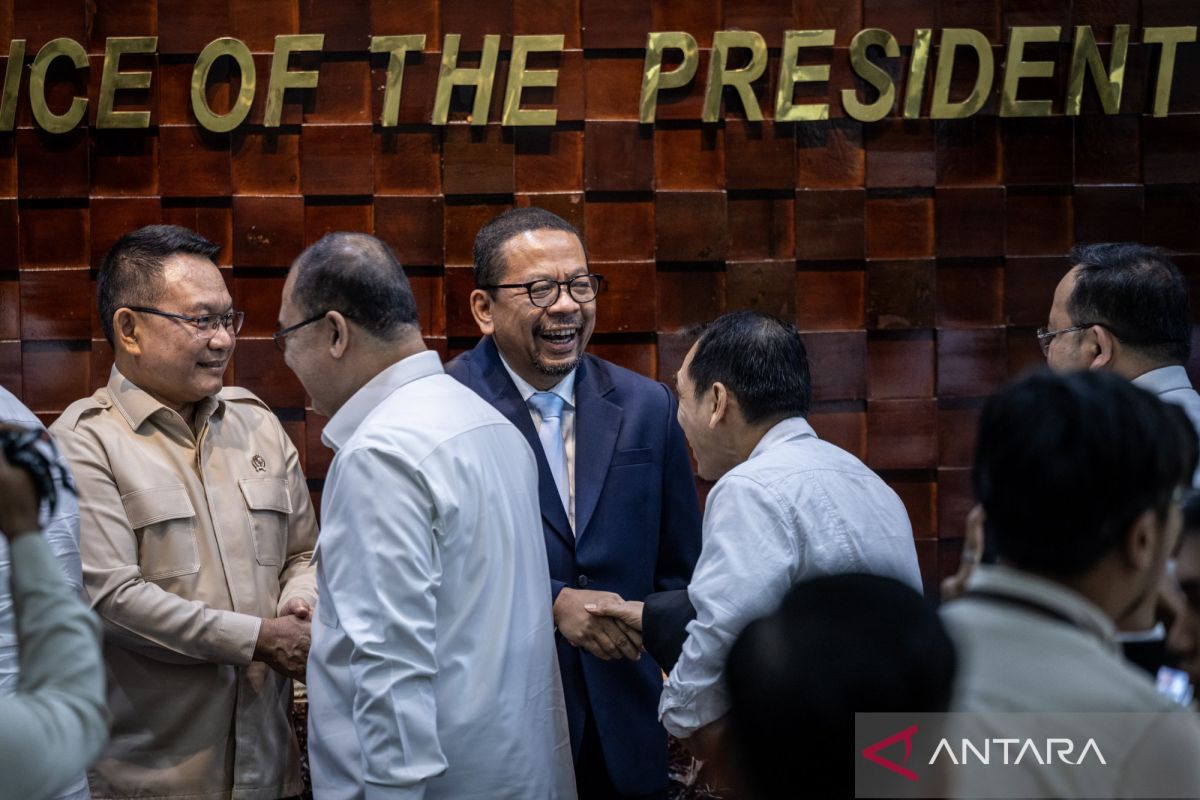
In the institutional landscape surrounding the Presidential Palace of the Republic of Indonesia, there is one institution that is popular in the public’s ears, not only because of its easily recognisable nomenclature but also due to the strategic position inherent in its functions and authority.
That institution is the Presidential Staff Office (KSP), which has occupied Bina Graha on the eastern side of the Presidential Palace Complex in Jakarta across various periods of government.
If we trace its history, this institution has undergone transformations that reflect changes in the needs of government governance from one regime to the next. It began as the Presidential Work Unit for Programme Management and Reform (UKP3R) during 2006–2009, then transformed into the Presidential Work Unit for Supervision and Control of Development (UKP4) in 2009–2014, continued as the Presidential Staff Unit in 2014–2015, and finally officially known as the Presidential Staff Office (KSP) since 2015 to the present day. These changes in nomenclature are not merely administrative but reflect the repositioning of the institution’s functions in supporting the effectiveness of presidential leadership.
During the era of President Joko Widodo, UKP4 was restructured into the KSP, first led by Luhut Binsar Pandjaitan. Under Luhut’s leadership, the KSP developed into an institution with stronger reach in supporting swift and responsive presidential decision-making.
The personal and political closeness between Luhut and President Jokowi provided space for the KSP to function not only as a coordinative unit but also as a strategic instrument in ensuring that presidential decisions could be operationally translated in the field.
Substantively, the KSP has a highly determinative function, namely debottlenecking, breaking bureaucratic barriers and resolving deadlocks across ministries/institutions. This function positions the KSP as a nexus for policy acceleration, particularly in national development agendas that require quick responses and cross-sectoral coordination.
In President Jokowi’s era, the KSP did not stop at the administrative role of delivering policies but actively escorted them to ensure they reached the implementation stage felt by the public. Herein lies the significance of the KSP: ensuring that the state is not only adept at formulating policies but also capable of executing them effectively.
Institutionally, the Presidential Staff Office (KSP) was previously named the Presidential Staff Unit, formed through Presidential Regulation Number 190 of 2014. As the functions of the Head of the Presidential Staff expanded in supporting presidential decision-making, the nomenclature was then changed to the Presidential Staff Office through Presidential Regulation Number 26 of 2015, established by President Joko Widodo on 23 February 2015.