
KRL Ticket Fares Poised for Increase; PT KCI Director General Says Government Deserves Sympathy
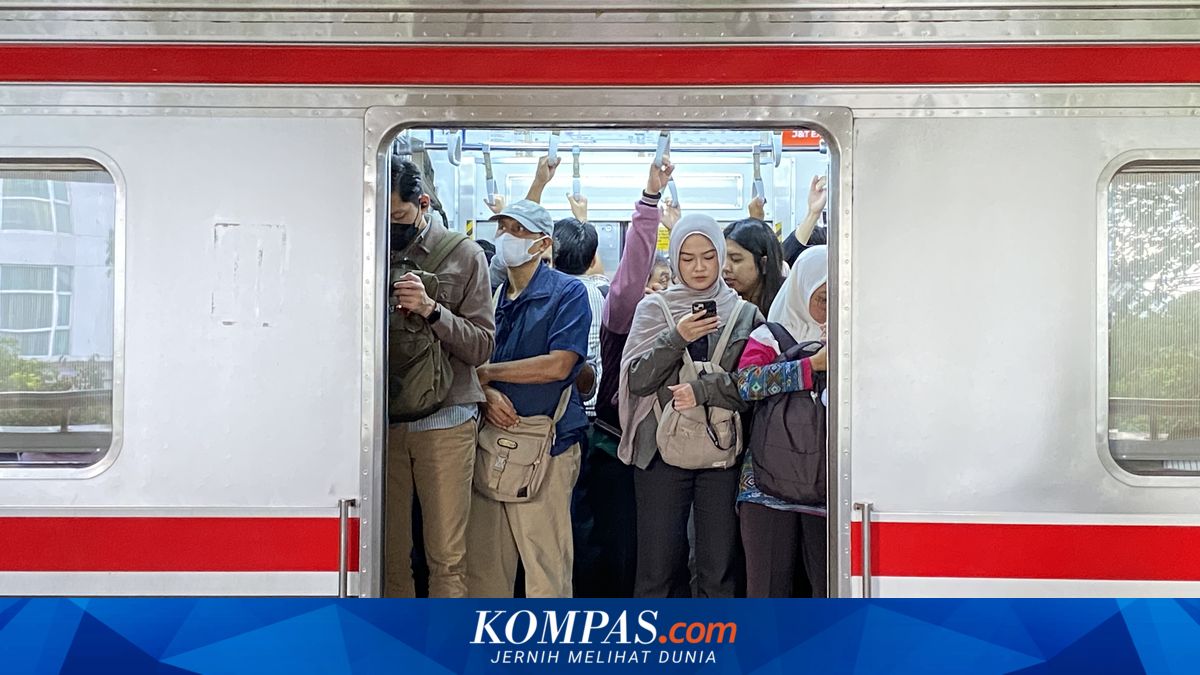
PT Kereta Commuter Indonesia (KCI) has identified a growing burden of subsidies borne by the Government.
The Government subsidises electric commuter rail (KRL) fares to prevent them from burdening members of the public who rely on them as their primary mode of public transport for daily activities.
The KRL currently operates in Jabodetabek, and in the Yogyakarta-Solo region, including rail lines from Klaten to Karanganyar. KRL occupancy in Jabodetabek throughout 2025 reached 349 million passengers, with an average of 951,111 daily commuters.
Any potential fare increase must be examined carefully as it affects the vital interests of the general public.
Director General of PT KCI Mochamad Purnomosidi acknowledged this concern, and plans for a KRL fare increase are being thoroughly reviewed by the management board.
“The intention is how we can reduce the subsidy burden. It is a pity for the Government, really. We are currently exploring various solutions, including a priority KRL service,” explained Purnomo as quoted on Monday (9 March 2026).
According to him, any fare increase cannot be implemented hastily. PT KCI must obtain approval from the Ministry of Transport of the Republic of Indonesia (Kemenhub RI) before any new fares are set.
“We cannot possibly settle this alone. The approval must come from the ministry (of Transport), because this is a subsidised train service,” he explained.
Regarding the priority KRL service, this train is planned to perform a different role from conventional KRL services, namely shorter travel times but with different ticket pricing.
“So it will only stop at busy locations. That is what we are currently developing. The intention is how we can reduce the subsidy burden,” he said.
Should the priority KRL plan be abandoned, then fare increases for conventional KRL tickets are almost certainly inevitable.
Currently, passengers pay Rp 8,000 per single journey. Fare payment can be made using a KRL travel card, electronic money cards, or QR codes from various digital wallet applications.