
KRL Priority Seats Become a "First Come, First Served" Affair, Passengers' Empathy Questioned
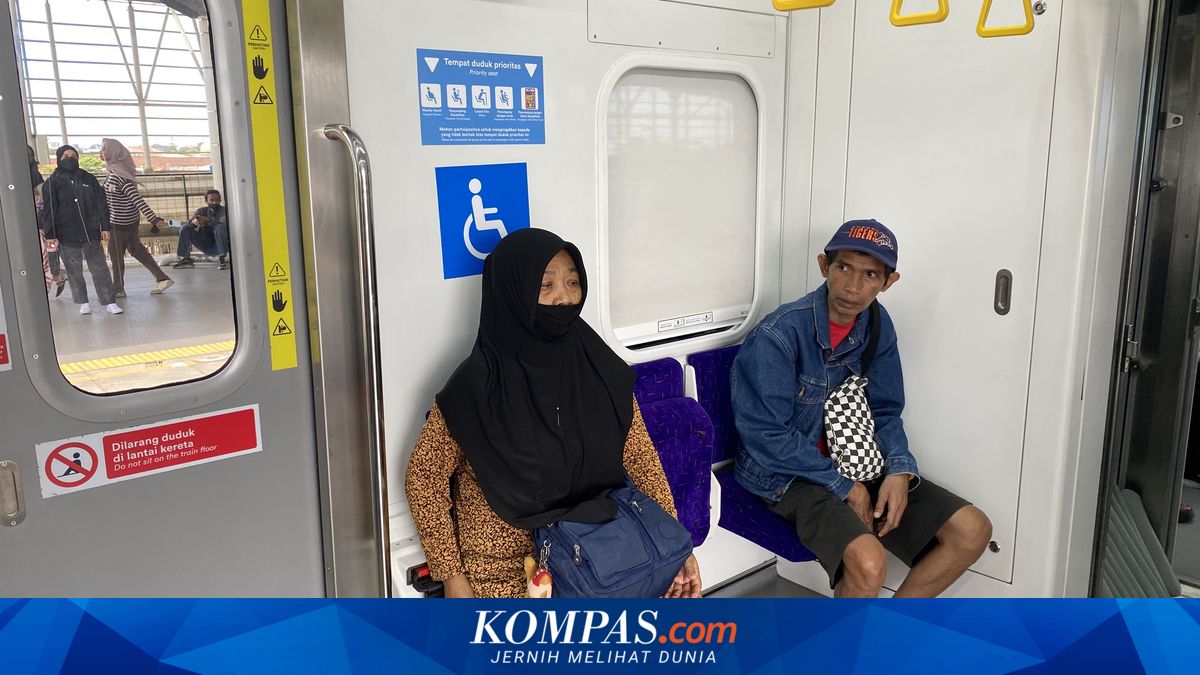
In the midst of a KRL carriage travelling from Manggarai to Jakarta Kota, priority seats silently witness everyday human interactions between rights, needs, and empathy that sometimes do not align. For some passengers met by Kompas.com at Manggarai Station, sitting on the train is no longer just about comfort, but an opportunity that must be seized. For Fikri Maulana (25), a courier from East Jakarta, seats on the KRL ultimately come down to who is quickest. “The reality on the ground is like that. First come, first served,” said Fikri when met on Wednesday (8/4/2026). Fikri admitted he does not think too much about whether the seat he occupies is a priority seat, especially when his body is already very tired. Although it sounds indifferent, he still has limits. If there is a clearly visible condition, Fikri will give up his seat. “If it’s an elderly person or a visibly pregnant woman, I’ll definitely stand. But if it’s not visible, I’ll stay seated,” he explained. Abdul Pratama (27), a private sector employee from Tangerang, experiences similar feelings. His long routine of commuting at dawn and returning late at night makes him prioritise his physical condition more. “Seats on the train feel like general seats. First come, first served, especially when you’re extremely tired,” he said. Meanwhile, Nisa Rahma (24), a civil servant in Central Jakarta, highlighted the inner dilemma of ordinary passengers. “Sometimes we know it’s a priority seat, but our body is already so tired. So there’s a dilemma,” said Nisa. She added that when she sees an elderly person or pregnant woman, she will stand and give up her seat. Arga Saputra (30), a private sector employee in Central Jakarta, also admitted to sitting in priority seats even though he does not belong to the category that should. “If no one tells me off, I assume it’s fine,” he said. According to Arga, the situation on the ground makes the rules feel not strict. “If there’s someone who needs it more and speaks up, I’ll give it. But if not, I’ll just stay quiet,” he said. Rakhmat Hidayat, a sociologist from Jakarta State University, views this phenomenon as a structural social problem as well as a crisis of empathy.