
Krakatau Osaka Steel Steel Plant Closure, Ministry of Industry Highlights Pressure from Cheap Imports
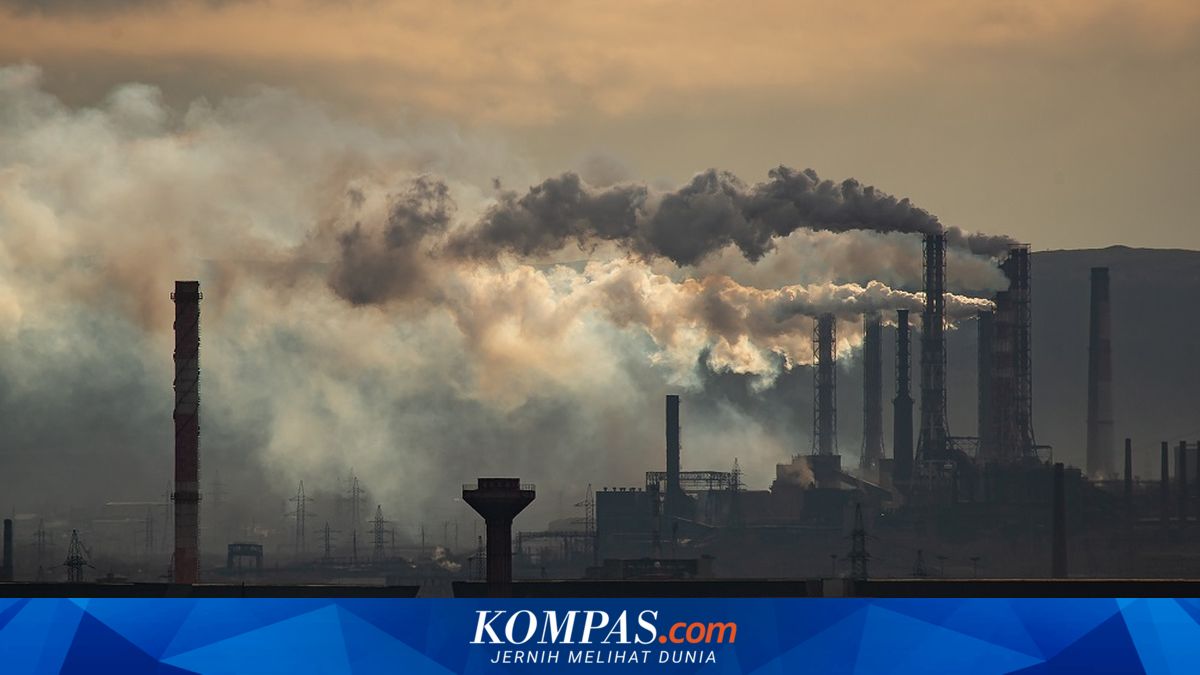
The Ministry of Industry states that the closure of PT Krakatau Osaka Steel (KOS) was triggered by pressure from cheap steel imports in the domestic market. PT KOS is a joint venture between PT Krakatau Steel Tbk and Osaka Steel Co., Ltd. Spokesperson for the Ministry of Industry, Febri Hendri Antoni Arief, said that KOS has recorded losses since 2022. Business performance has continuously declined in recent years. The main pressure comes from imported products with lower prices. Domestic producers face tight price competition. “On one hand, domestic producers are committed to maintaining product quality, but on the other hand, they must face price pressure from lower-priced imported products. This situation is further exacerbated by weakening domestic demand, especially from the construction sector,” Febri said in an official statement on Tuesday (5/5/2026). Febri assessed that the KOS issue does not stand alone. The pressure stems from a combination of external and domestic factors. Limited product diversification is one of the constraints. Domestic demand has also weakened, particularly from the construction sector. “In addition to limited product diversification, declining demand and pressure from cheap steel imports, global oversupply conditions also affect the company’s competitiveness,” Febri stated. The Ministry of Industry has prepared various measures to safeguard the national steel industry. Policies include limited bans on imports of steel products and derivatives. The government also mandates the Indonesian National Standard for rebar. Additionally, there is a Specific Natural Gas Price and zero per cent import duty for billet raw materials. The KOS case is driving an evaluation of existing policies. The government believes that protection for the industry still needs to be strengthened. “We will conduct a comprehensive study to formulate more effective strategies in maintaining the sustainability of the domestic steel industry,” Febri said. Several countries have responded with protectionist policies. Measures taken include import duties and trade remedy instruments. Industries in various countries are also undergoing reforms. Focus is directed towards efficiency, production capacity management, and technology development. “The success of strengthening the national steel industry requires support from all stakeholders, both from the government, industry players, and society. In addition, global geopolitical dynamics, production cost structures, and domestic demand levels will greatly influence the effectiveness of the policies implemented,” Febri said. KOS halted all production activities at the end of April 2026. All business activities are scheduled to stop in June 2026. The decision was taken at a Board of Directors meeting on 23 January 2026.