
KPPU Discovers "Tying" Practice in MinyaKita Cooking Oil Sales in Surabaya
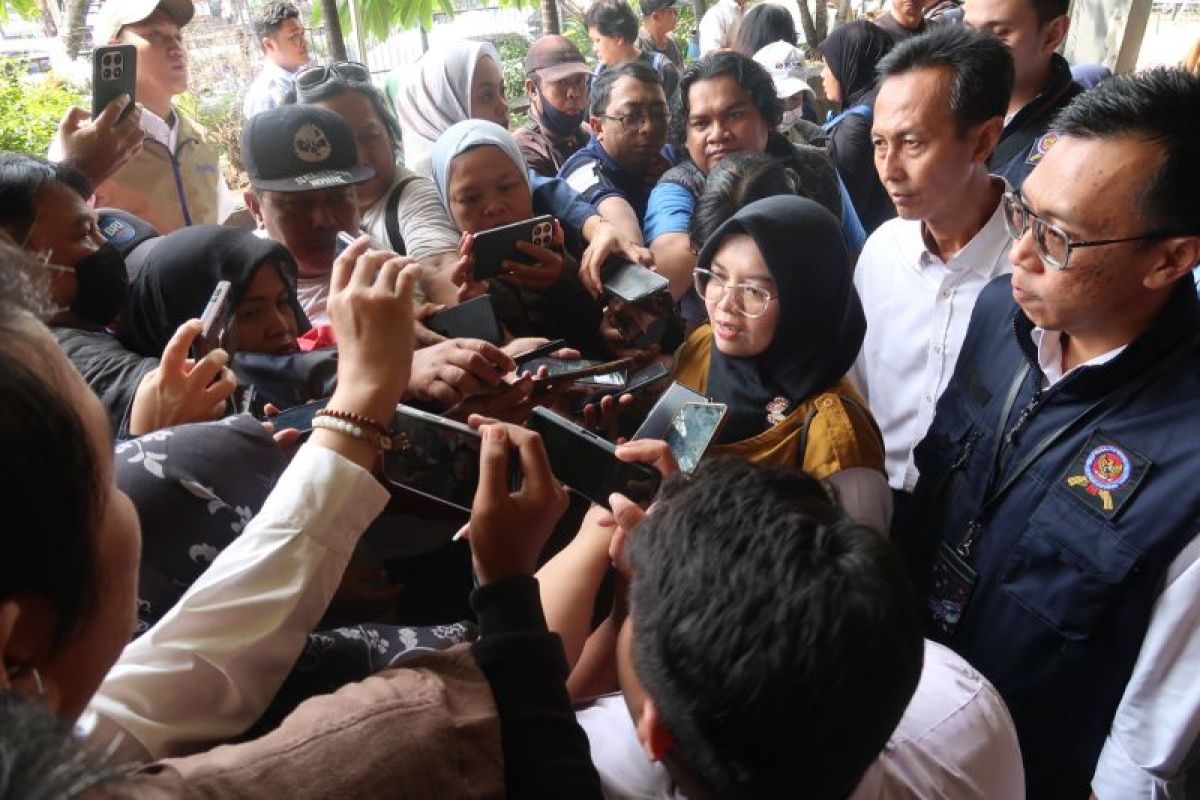
Surabaya — The Business Competition Commission (KPPU) Regional Office IV has identified tying practices in the sale of MinyaKita cooking oil products at several traditional markets in Surabaya, East Java.
Tying is defined as an attempt by sellers to impose conditions on consumers requiring them to purchase a second product when buying a first product.
“Based on monitoring conducted at several traditional markets in Surabaya, we have found evidence of tying practices in the sale of MinyaKita cooking oil products,” said Acting Head of KPPU Regional Office IV Surabaya Dyah Paramita during a surprise inspection (sidak) at Wonokromo Market in Surabaya on Monday.
Businesses engaged in tying have violated Article 15(2) of Law No. 5 of 1999 on the Prohibition of Monopolistic Practices and Unfair Business Competition. This provision prohibits agreements containing conditions requiring the recipient of goods to purchase other goods.
KPPU has emphasised that the findings represent a matter of particular concern and has reminded business actors distributing and trading MinyaKita to maintain principles of healthy business competition. KPPU has further stressed that traders must not engage in practices that limit consumer choice or impede market mechanisms.
Paramita explained that preventive measures have been taken by requesting distributors to immediately change their sales behaviour in the market. She emphasised that if such practices are discovered in future, the field findings will form the basis for KPPU to take strategic steps and legal action, including summoning the business actors concerned.
KPPU has pledged to continue monitoring price dynamics and distribution of food commodities during the Ramadan and Eid al-Fitr period to maintain a healthy business competition climate and protect consumer interests.
“Business actors must be careful in conducting food sales practices to avoid violating the provisions of Law No. 5 of 1999,” Paramita said.
At Wonokromo Market in Surabaya, KPPU’s monitoring recorded prices for cooking oil brands other than MinyaKita ranging from IDR 18,000–21,500, whilst MinyaKita cooking oil was priced at approximately IDR 16,000 per litre with a recommended retail price (HET/HAP) of IDR 15,700 per litre.