
KPPU and JFTC Strengthen Collaboration to Address Global Digital Economic Disruption
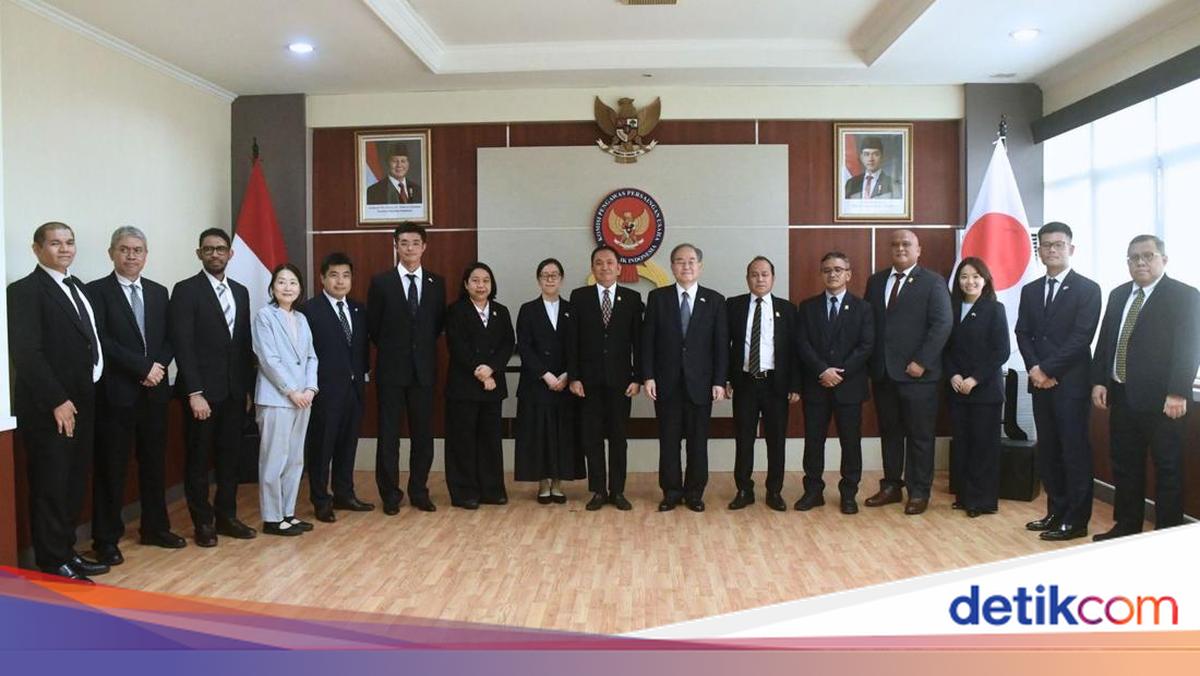
The meeting also emphasised the importance of cross-border collaboration, strengthening institutional capacity, and utilising technology to address the increasingly complex dynamics of the digital market.
The meeting was led by KPPU Chairman M. Fanshurullah Asa alongside KPPU Member Gopprera Panggabean, accompanied by KPPU Members Rhido Jusmadi, Hilman Pujana, and Eugenia Mardanugraha, as well as structural officials from both institutions.
In his remarks, M. Fanshurullah Asa affirmed that the JFTC visit marked a strategic opportunity to strengthen bilateral cooperation while bolstering the regime for fair business competition. He highlighted that competition authorities are currently at a crucial phase involving the redefinition of institutional roles.
Previously focused on cartel enforcement and tender collusion, authorities are now required to play a more strategic role in shaping market structures through policy and advocacy.
“KPPU does not only handle cartels and tender collusion but also shapes market structures to remain open, innovative, and inclusive, particularly in the digital sector,” he stressed in a written statement on Saturday (2/5/2026). This was conveyed during the reception of the JFTC Chairman at KPPU’s office in Jakarta on Wednesday (29/4).
KPPU also emphasised that institutional reform is a priority through three main approaches: strengthening legal mandates, modernising organisations, and data-based integration. One key agenda is the amendment of Law No. 5 of 1999, expected to expand KPPU’s authority, including pre-merger transaction notifications and leniency programmes. JFTC expressed support for these reform efforts while sharing experiences in regulatory changes.
In discussions on the digital sector, KPPU highlighted the rising market concentration in data-based platforms. Several strategic cases have been handled, including in e-commerce logistics, app-based payment systems, and online lending. Vertical integration practices by digital platforms are seen to enhance efficiency but could potentially close market access (foreclosure) for other businesses if not properly supervised.
On the other hand, Gopprera, who co-led the discussion, explained that KPPU is also examining indications of monopolistic practices in the e-commerce ecosystem, including social commerce business models. The main challenges in law enforcement in this sector lie in determining relevant markets in multi-sided market characteristics and the role of data as a source of market power.
“Facing these challenges, KPPU affirms its transformation direction towards a data-driven competition authority,” clarified Gopprera.
Meanwhile, JFTC highlighted practices involving Digital Analysts, namely external technology experts who support law enforcement and market studies flexibly. This approach is considered a best practice that can be adopted, while paying attention to information security and institutional independence.
Additionally, KPPU expressed its commitment to developing an early detection system for tender collusion based on artificial intelligence.
Chatani appreciated KPPU’s progressive steps in handling digital and strategic cases, including those involving global companies like Google and multinational corporations such as SANY Group. According to him, KPPU’s boldness and consistency in penalising large businesses demonstrate the institution’s credibility and independence in maintaining a level playing field.
“KPPU’s law enforcement demonstrates high standards, especially in handling digital cases and global companies. This serves as an important reference for the international competition community,” stated Chatani.
Both institutions emphasised that anti-competitive practices in the digital era are cross-border in nature, thus requiring close international cooperation, including information exchange, capacity building, and studies on issues such as algorithmic collusion and data-based market power.
Furthermore, the meeting affirmed that competition challenges in the digital economy cannot be resolved unilaterally. KPPU and JFTC agreed to strengthen collaboration as a foundation for creating healthy, competitive, and fair markets, while enhancing protection for businesses and consumers.