
KPK's House Arrest Policy Stirs Up Controversy
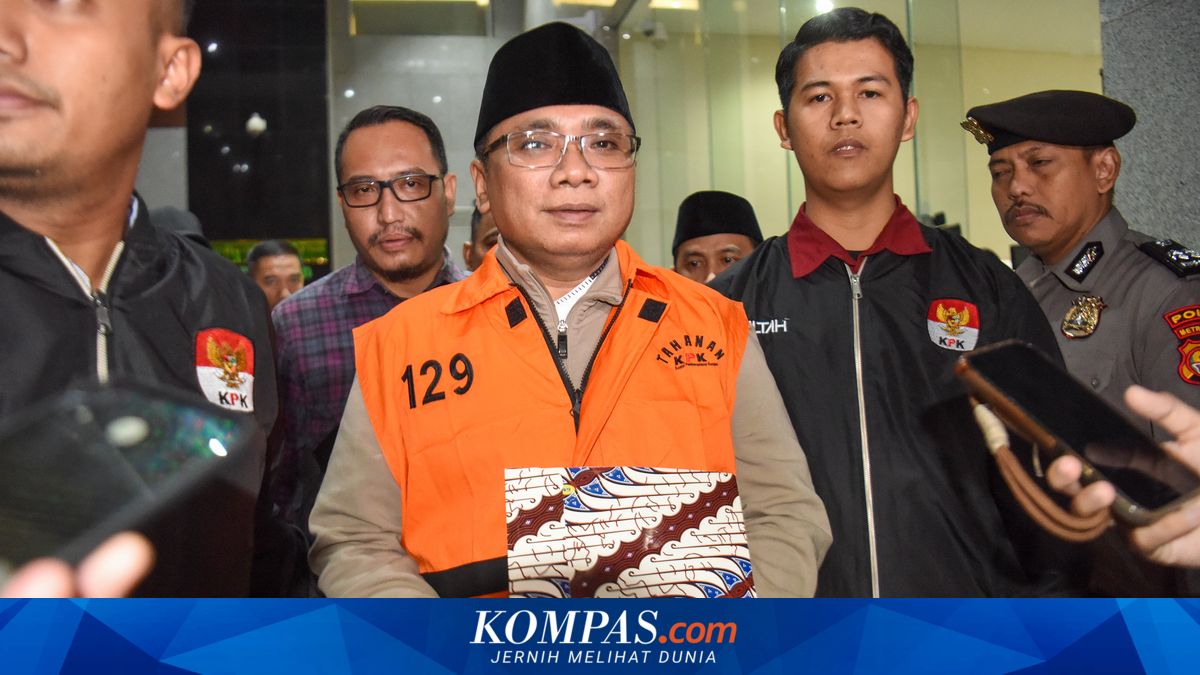
People are left shaking their heads in disbelief at the KPK’s decision to grant house arrest status to corruption suspect Yaqut Cholil Qoumas, the former Minister of Religious Affairs under President Joko Widodo, just before Eid al-Fitr. The handling of corruption eradication in Indonesia, from the Old Order era, through the New Order, to the current reform period, does not seem to have advanced at all. The controversy surrounding the granting of house arrest to Yaqut, which has stirred public unrest, indicates the increasing lack of credibility of our anti-corruption agency, and the likelihood that Indonesia’s Corruption Perceptions Index will not improve. The case involving Yaqut is no minor matter. Allegations of abuse of authority in managing Hajj quotas, resulting in state losses of hundreds of billions of rupiah, demonstrate the serious nature of the crime, even involving multiple parties including the private sector. However, the decision to grant house arrest raises major questions. House arrest is an alternative to detention for low-risk cases. Meanwhile, Yaqut’s case is high-risk—involving a state official at the ministerial level, with potential for evidence tampering, and the possibility of the suspect fleeing. There are no normative reasons such as serious health issues, no “overcapacity” conditions in KPK prisons, and the case does not fall into the low-risk category. Moreover, the KPK has never granted house arrest status to corruption suspects. The agency’s behaviour is becoming increasingly odd. This situation can be termed an anomaly in law enforcement at the anti-corruption KPK institution. Although Yaqut has been returned to KPK detention—after public uproar—the KPK’s decision can be said to reflect the anti-corruption institution’s powerlessness against the “invisible hand”. The KPK appears not independent. That policy certainly contradicts the basic principle of corruption eradication, which must not discriminate. This “bad policy” phenomenon cannot be separated from the change in the KPK’s position, now under the executive branch, thus opening room for power interventions. In an ideal situation, interventions should strengthen law enforcement, not loosen it. In my view, the correct intervention should be for the executive to toughen, not weaken, it. Not granting house arrest, but ensuring maximum law enforcement, making the detention doors multi-layered.