
KPK Responds to Calls to Take Over Febrie Adriansyah Case
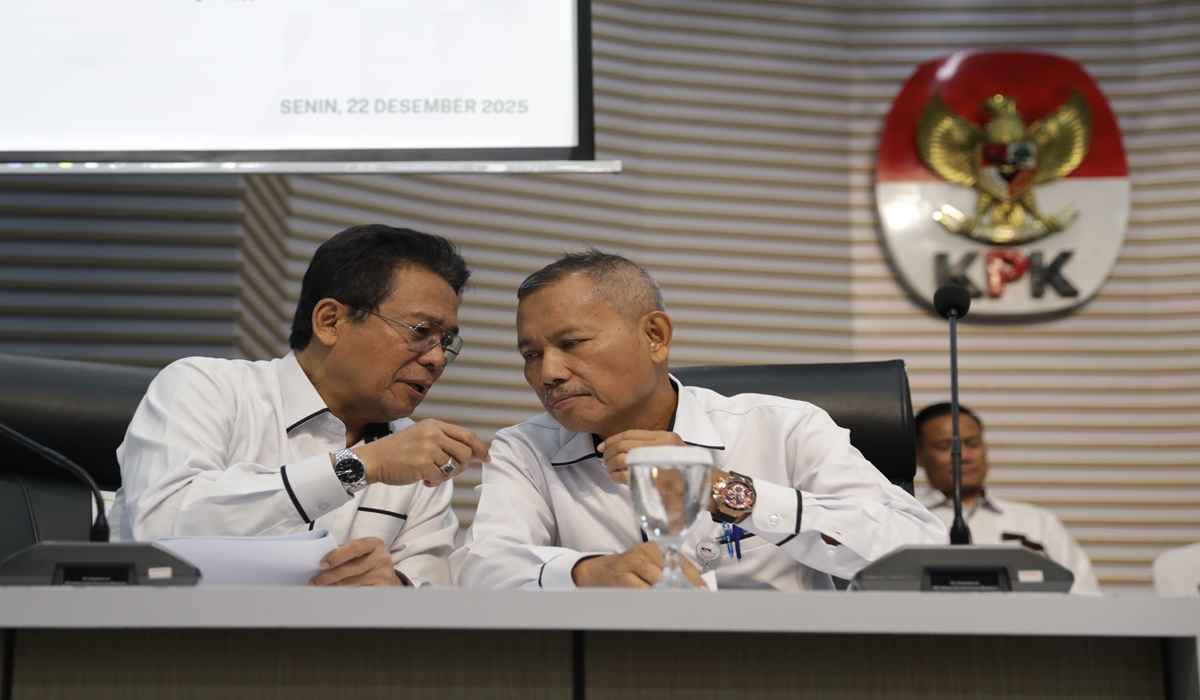
The Corruption Eradication Commission (KPK) has finally spoken out regarding suggestions that it should take over the alleged corruption case involving former Junior Attorney General for Special Crimes (Jampidsus) Febrie Adriansyah.
KPK Deputy Chairperson Johannis Tanak stressed that the door for supervision and coordination over cases handled by the Police and the Attorney General’s Office is indeed wide open. However, he reminded that there are absolute conditions that must be met before the KPK can become involved. “The KPK has the authority for that. But there are conditions. The KPK can step in when serious obstacles are found in the investigation process,” Johannis said on the sidelines of a regional coordination meeting in Makassar on Thursday (23/7).
Johannis explained that supervision begins from the moment the Attorney General’s Office issues a Notice of Commencement of Investigation (SPDP). From this document, the KPK conducts strict monitoring and supervision to ensure the legal process proceeds without flaws. “If a case has not been transferred to court for a year, we will ask, what is the problem? Why is it taking so long?” he asserted. If monitoring reveals facts of intervention from third parties, whether political or bureaucratic, the KPK will coordinate or take over the case. “At that point, we will coordinate and, if necessary, take over the case,” Johannis stated firmly.
Johannis emphasised that based on current reports, the case ensnaring the former Jampidsus is still proceeding according to applicable legal procedures. Therefore, for the time being, the KPK does not have a strong reason to intervene further. “If the case is proceeding well according to procedure, we cannot simply take it over. We can only step in if the case stalls for years or if there are indications of political and bureaucratic intervention hindering law enforcement,” he concluded.