
KPK Reports Results of Study on Preventing Corruption in Political Parties to President Prabowo and DPR Speaker
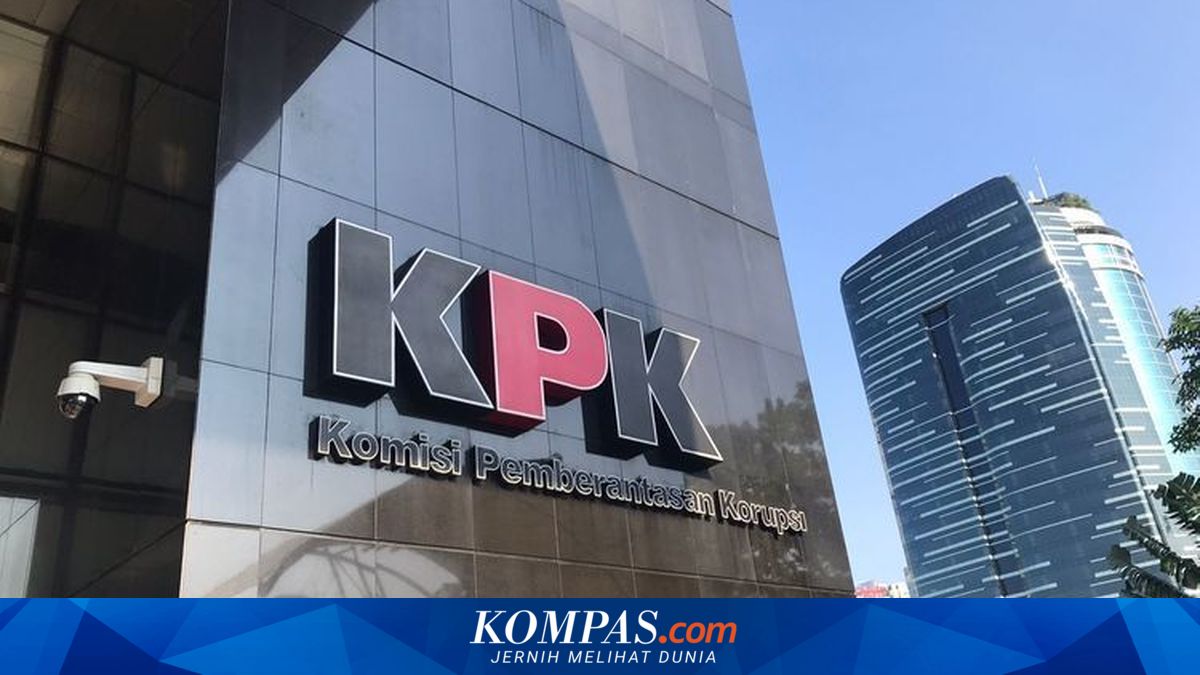
The Corruption Eradication Commission (KPK) has conveyed that the results of its study on preventing corruption in political party governance have been officially reported to President Prabowo Subianto and House of Representatives Speaker Puan Maharani. “The KPK has reported and officially submitted the study results along with recommendation points to the President and the DPR Speaker,” stated KPK Spokesperson Budi Prasetyo, as quoted from Antara on Saturday (25/4/2026). According to Budi, this step is part of the KPK’s efforts to encourage the government and legislative institutions to undertake reforms in the national political system. The study spotlights three main recommendations deemed necessary for immediate follow-up. Budi said that changes are needed regarding the recruitment of election organisers, campaign methods and voting, vote counting and recapitulation, as well as strengthening articles regulating sanctions. “Secondly, regulatory changes to Law No. 2 of 2008 on Political Parties as amended by Law No. 2 of 2011, by adding scopes for standardising political education, cadre development, and political party financial reporting,” he said. Thirdly, the KPK is urging the government together with the DPR RI to promptly conduct substantive discussions on the Cash Limitation Bill as an important instrument in preventing money politics practices. “Regarding the discussion of the Cash Limitation Bill, the KPK considers this urgent due to the ongoing prevalence of vote buying or money politics practices conducted through physical cash transactions,” he said. Budi assessed that the bill is important to discuss because vote buying or money politics is viewed by the KPK as one of the entry points for recurring and hard-to-monitor corruption. If these three main recommendations are followed up, said Budi, it is hoped that improvements in political party governance systems will be realised, particularly in aspects of cadre development to political education. “Not only strengthening democracy, but also creating transparent and accountable cadre and candidate processes,” he said.