
KPK Reminds Indonesian Officials of LHKPN Reporting Deadline on 31 March
Jakarta, CNBC Indonesia - The Corruption Eradication Commission (KPK) has once again reminded all State Organisers or Required Reporters (PN/WL) of their obligation to promptly report their assets through the Wealth Report for State Organisers (LHKPN) accurately, completely, and on time by 31 March 2026.
This reminder is based on KPK Regulation (Perkom) Number 3 of 2024, which stipulates that state organisers must submit LHKPN and consent to examinations of their wealth before, during, and after holding office.
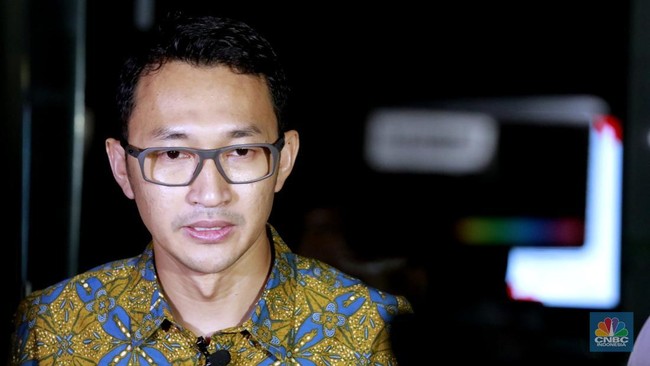
“This obligation applies to leaders of state institutions, cabinet members, leaders of government and non-structural bodies, regional heads, judges, directors of state-owned enterprises (BUMN) and regional-owned enterprises (BUMD) throughout Indonesia, as well as other officials as stipulated in Article 4A,” said KPK spokesperson Budi Prasetyo in an official statement, quoted on Monday (30/3/2026).
As of 11 March 2026, Budi stated that the KPK recorded a compliance rate for submitting LHKPN for the 2025 Reporting Year at 67.98 per cent. Thus, more than 96,000 out of a total of 431,468 required reporters have yet to submit their LHKPN.
Budi expressed hope that this achievement would improve before the set deadline, noting that LHKPN is a crucial instrument for promoting transparency and accountability in state administration.
“The KPK will conduct administrative verification of every incoming report and will publish it if the LHKPN is deemed complete. However, if it is deemed incomplete, the PN/WL must correct it and resubmit within at most 14 calendar days from the notification,” he explained.
All PN/WL can fill out and submit their LHKPN by 31 March 2026 at the latest via the elhkpn.kpk.go.id website. As a form of public information disclosure, the public can access LHKPN that have been deemed complete after corrections or upon publication.
The KPK emphasises that compliance with LHKPN reporting is a manifestation of personal responsibility as a state organiser and institutional commitment to building integrity, while also being part of efforts to realise clean and corruption-free state administration.