
KPK Rejects Former Religious Affairs Minister Yaqut's Claims on Hajj Quota Distribution
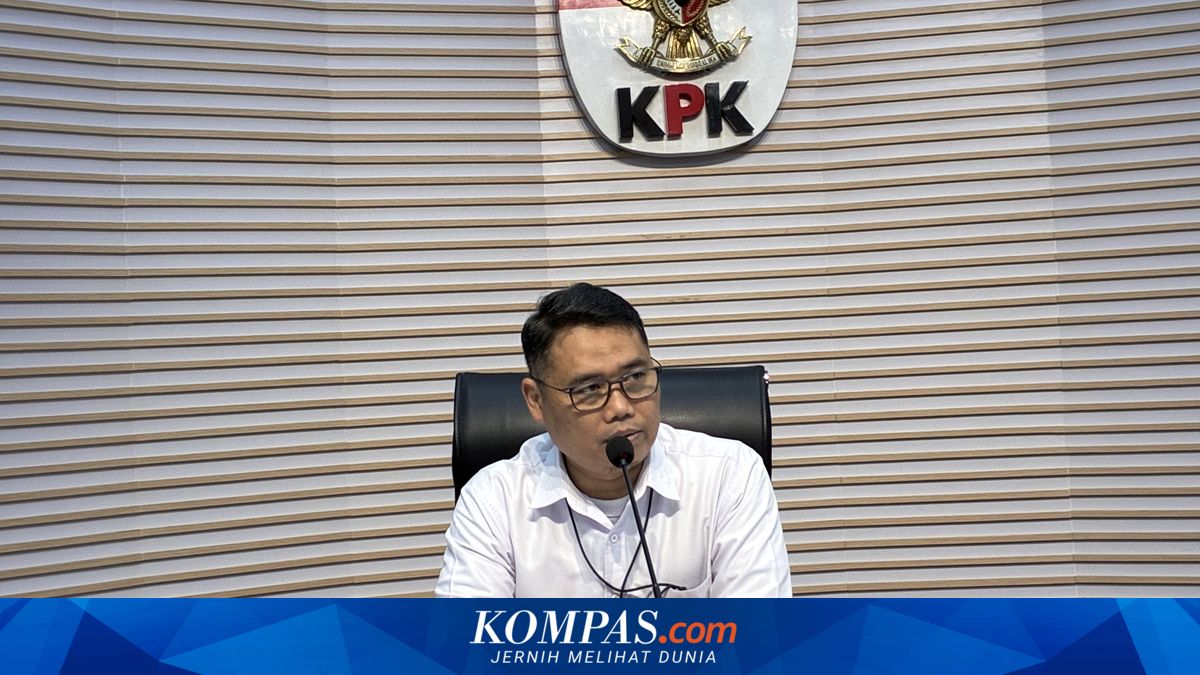
JAKARTA — The Corruption Eradication Commission (KPK) has responded to several claims made by former Religious Affairs Minister Yaqut Cholil Qoumas regarding the distribution process of additional hajj quotas for the 2023-2024 period.
Among its responses, the KPK disputed Yaqut’s assertion that the allocation of an additional 20,000 hajj quotas was distributed proportionally at 10,000 for special hajj and 10,000 for regular hajj, citing Saudi Arabian regulations as justification.
Asep Guntur Rahayu, the KPK’s Deputy for Prosecution and Execution, stated that the additional quotas were provided by Saudi Arabia along with facilities for the quota recipients.
“The Saudi Arabian government has already prepared accommodation and other facilities for the additional quota,” he added.
Consequently, regular hajj pilgrims should have received more quotas than special hajj pilgrims, contrary to the calculations made by the Religious Affairs Ministry under Yaqut’s tenure.
Asep also noted that the KPK had dispatched a team to Saudi Arabia to verify the facilities, including those for the additional pilgrims during the Wukuf (standing vigil) period.
Asep emphasised that the additional hajj quotas were allocated by Saudi Arabia to the Indonesian government, not to individuals or travel agencies.
“The hajj quota was given by the Saudi Arabian government to the Indonesian government. This is government-to-government, not to individuals or travel companies, but to the state,” he stated.
Additionally, the KPK reminded authorities that the concept of discretionary authority in policymaking must be properly understood. Asep explained that discretion is justified only when it serves to protect individuals or groups whilst breaking existing regulations for a greater public benefit.
“Please assess yourselves: if this distribution of hajj quotas is considered discretionary authority, does it serve a greater public benefit? Does society, which has been queuing for over 20 years to obtain 8,400 quotas, consider this negligible?” Asep asked.
“How can they have waited decades and saved their money, only to be overlooked when they may lack the financial means to go directly?” he continued.
He also noted that Article 64, Paragraph 2 of Law Number 8 of 2019 concerning the Implementation of Hajj and Umrah clearly stipulates that special hajj quotas should constitute 8 per cent, whilst regular hajj quotas should constitute 92 per cent.