
KPK Exposes Chain Corruption Pattern in Muara Enim, Bribes Allegedly Began Before Projects Were Designed
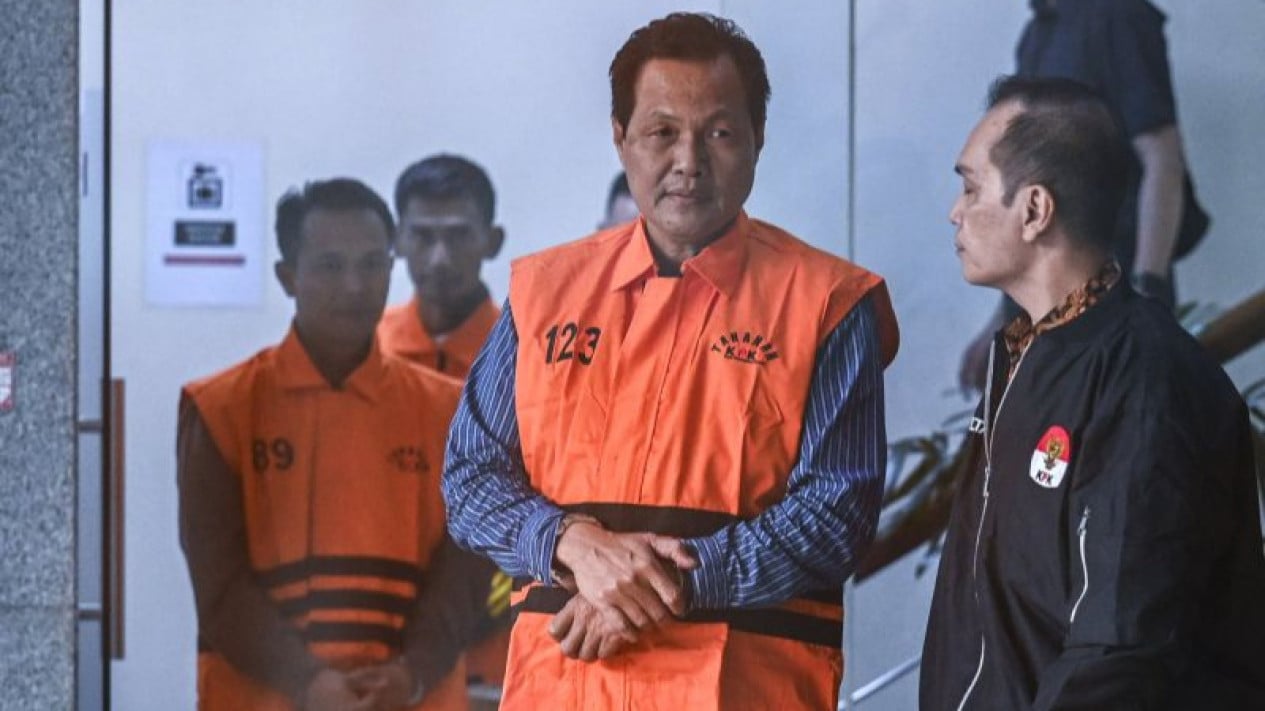
The Corruption Eradability Commission (KPK) has uncovered serious findings regarding a corruption pattern within local government environments, which is assessed to have evolved into a chained cycle occurring systematically from the beginning to the end of the budget management process.
These findings emerged from the handling of alleged corruption cases related to bribery in the procurement of goods and services (PBJ) within the Muara Enim Regency Government, South Sumatra. The KPK assesses that the corrupt practices in this case do not only occur while projects are underway, but are even alleged to have begun before the official planning or budgeting processes were conducted.
KPK Spokesperson, Budi Prasetyo, stated that two sting operations conducted by the agency demonstrate suspected corrupt practices touching almost every stage of regional budget management.
“These two sting operations reveal suspected corrupt practices in budget management that are ‘perfect’, from start to finish,” said Budi Prasetyo, as quoted on Sunday, 14 June 2026.
Bribery Allegedly Occurs Before Project Planning
In the first sting operation related to alleged bribery in the procurement of goods and services in the Muara Enim Regency Government, the KPK found indications that bribery practices had been ongoing long before projects were designed or entered the budgeting stage.
According to the KPK, private parties allegedly provided sums of money to the Regent as a form of “planting money” to maintain good relations and secure profits from future government projects.
This practice, known as ‘project ijon’ (advance payments for future projects), is assessed to have the potential to lock in the procurement process from the outset. Companies that have provided these rewards allegedly hope to be re-appointed as tender winners in various government projects.
The KPK assesses that such patterns serve as an entry point for various other forms of irregularities that emerge in subsequent stages. When the initial process is already contaminated by specific interests, the entire budget management cycle is at risk of being affected.
Vulnerability to Mark-ups and Document Manipulation
Budi explained that corrupt practices starting from the early stages can trigger various irregularities during project implementation.
Some of the identified vulnerabilities include:
Engineering of the Self-Estimated Price (HPS).
Budget inflation or mark-ups.
Reduction in the quality specifications of goods and services.
Reduction in the volume of work.
Manipulation of financial reports.
Engineering of administrative documents for accountability purposes.