
KPK Claims to Have Reported Political Party Study to President and DPR Speaker
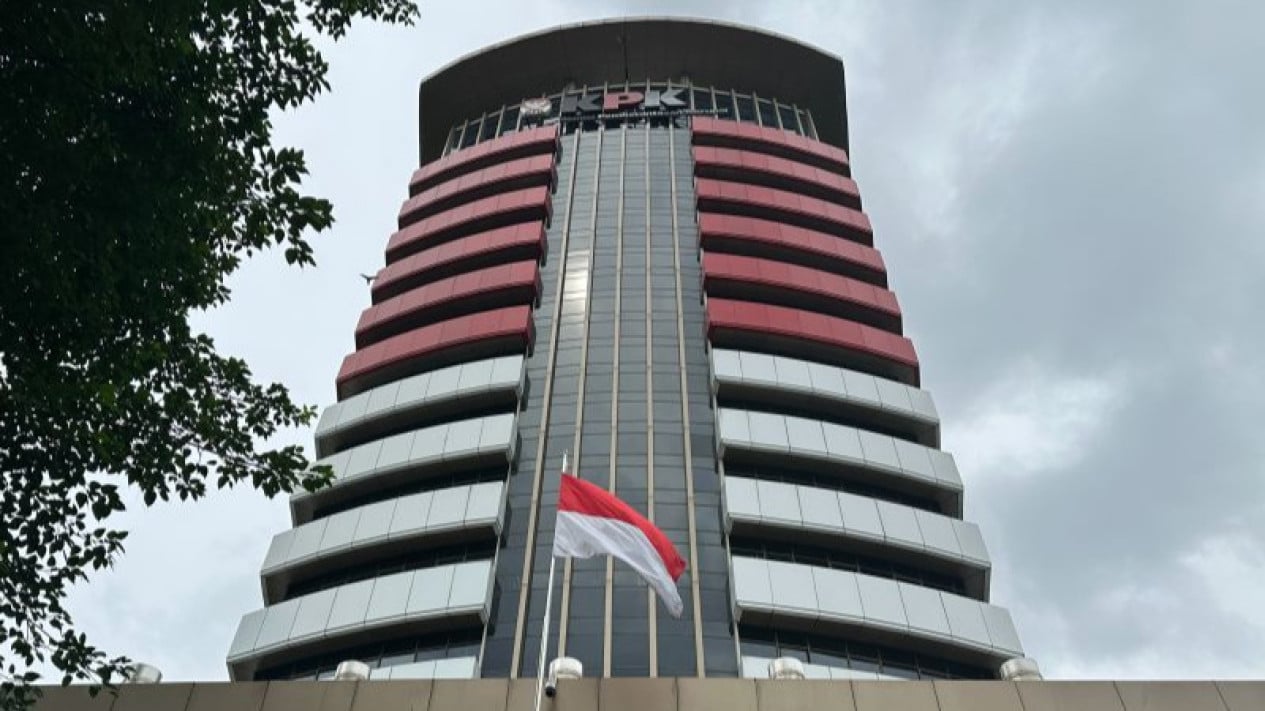
Jakarta, VIVA – The Corruption Eradication Commission (KPK) claims to have reported the results of its study on corruption prevention, particularly regarding the governance of political parties (parpol), to Indonesian President Prabowo Subianto and DPR Speaker Puan Maharani. “The KPK has reported and officially conveyed the results of the study along with recommendation points to the President and the DPR Speaker,” said KPK Spokesperson Budi Prasetyo to reporters, as reported by ANTARA on Saturday, 25 April 2026. Budi explained that this step represents the KPK’s push to the government and legislature to realise political system reforms in Indonesia. According to Budi, there are three main recommendations deemed important for immediate follow-up or implementation by the government and the DPR RI. “First, making regulatory changes to Law No. 7 of 2017 on General Elections and Law No. 10 of 2016 on Regional Head Elections,” he said. Budi explained that the aspects needing change include the recruitment of election organisers, campaign methods and voting, vote counting and recapitulation, as well as strengthening articles regulating sanctions. “Second, making regulatory changes to Law No. 2 of 2008 on Political Parties as amended by Law No. 2 of 2011, by adding scopes for standardising political education, cadre development, and political party financial reporting,” he stated. Third, the KPK urges the government together with the DPR RI to immediately conduct substantive discussions on the Cash Limitation Bill as an important instrument in preventing money politics practices. “Regarding the discussion of the Cash Limitation Bill in particular, the KPK considers this urgent because vote buying or money politics practices are still rampant, carried out through physical cash transactions,” he said. According to Budi, the bill is important to discuss because vote buying or money politics is viewed by the KPK as one of the entry points for recurring corruption that is difficult to monitor. “Therefore, limiting cash transactions is seen as one strategic step in corruption prevention efforts,” he stated. If these three main recommendations are followed up, said Budi, it is hoped that improvements in political party governance systems will be realised, especially in aspects of cadre development to political education.