
KPK Appreciates Health Minister's Openness on Suspected Corruption in Health Sector
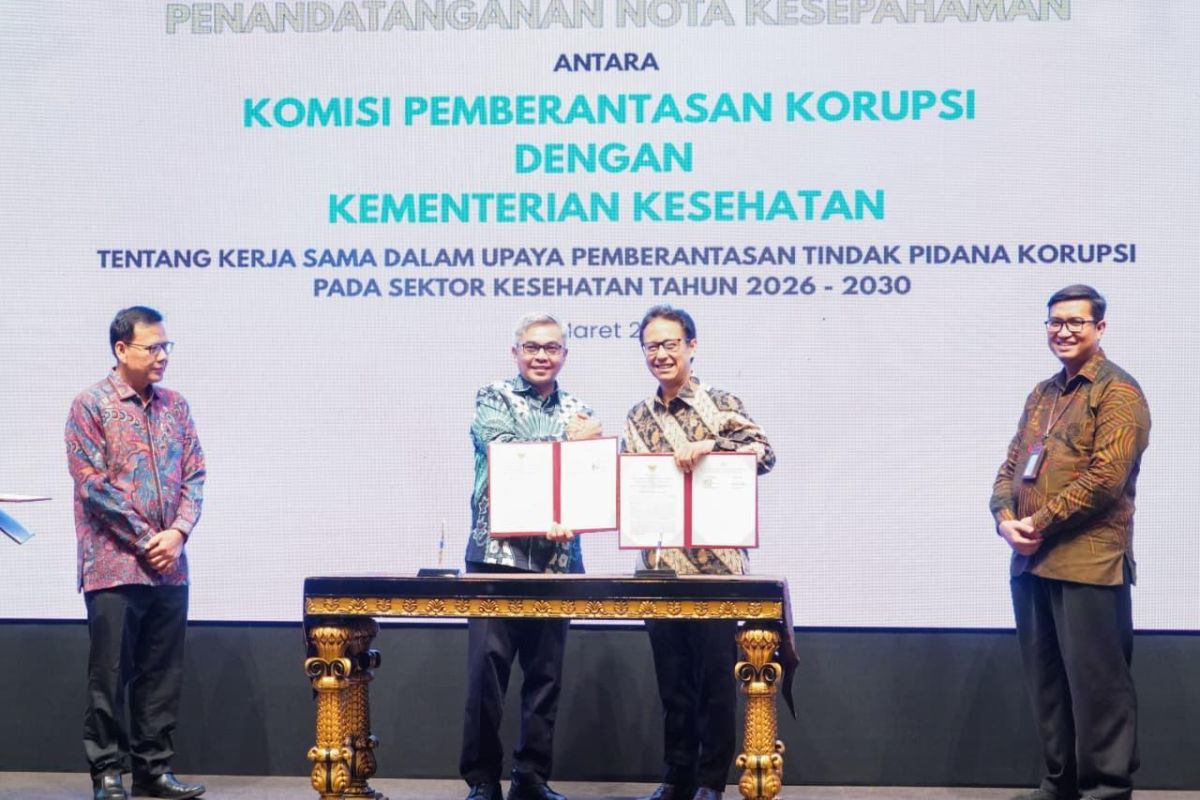
Jakarta — Indonesia’s Anti-Corruption Commission (KPK) has expressed appreciation for the openness of Health Minister Budi Gunadi Sadikin regarding suspected corruption within Indonesia’s health sector.
“This open approach represents a positive step in strengthening transparent and accountable government administration, particularly in the health sector which has a large budget and priority programmes that directly impact the public,” said KPK Spokesperson Budi Prasetyo to journalists in Jakarta on Friday.
Prasetyo noted that the synergy established between the KPK and the Ministry of Health through the signing of a memorandum of understanding and cooperation agreement on strengthening reporting mechanisms for suspected criminal offences and anti-corruption efforts in the health sector is important.
“The synergy between the KPK and the Ministry of Health is important to ensure that every programme and budget allocation truly provides optimal benefits to the public whilst being protected from corrupt practices,” he said.
Prasetyo explained that following the signing of the memorandum of understanding and cooperation agreement, the KPK will work with the Ministry of Health to strengthen systems, governance, and corruption risk mitigation across programmes with significant budget allocations.
“However, if during the process we find indications or suspicions of corruption, the KPK will naturally follow up in accordance with the authority stipulated in legislation,” he said.
During the event, the KPK highlighted the potential for systemic corruption in management and procurement processes occurring at middle and lower management levels.
The Health Minister responded to these concerns by urging the KPK not to hesitate in intervening at the Ministry if any irregularities are discovered.
“Our budget is substantial, exceeding 100 trillion rupiah. I believe there certainly are irregularities. So, the KPK should not tire of coming and scolding us if indeed proven,” said the Minister.
The Health Minister also emphasised that the health sector is one of the sectors most vulnerable to structured and systemic corruption practices.
These vulnerabilities exist in areas including drug and medical equipment procurement processes, national health programme budget management, capitation fund and health service claim management, cooperation with pharmaceutical and medical device industries, and the implementation of various health service programmes in regional areas.