
KPK: 25 Percent of Corruption Cases Related to Goods and Services Procurement
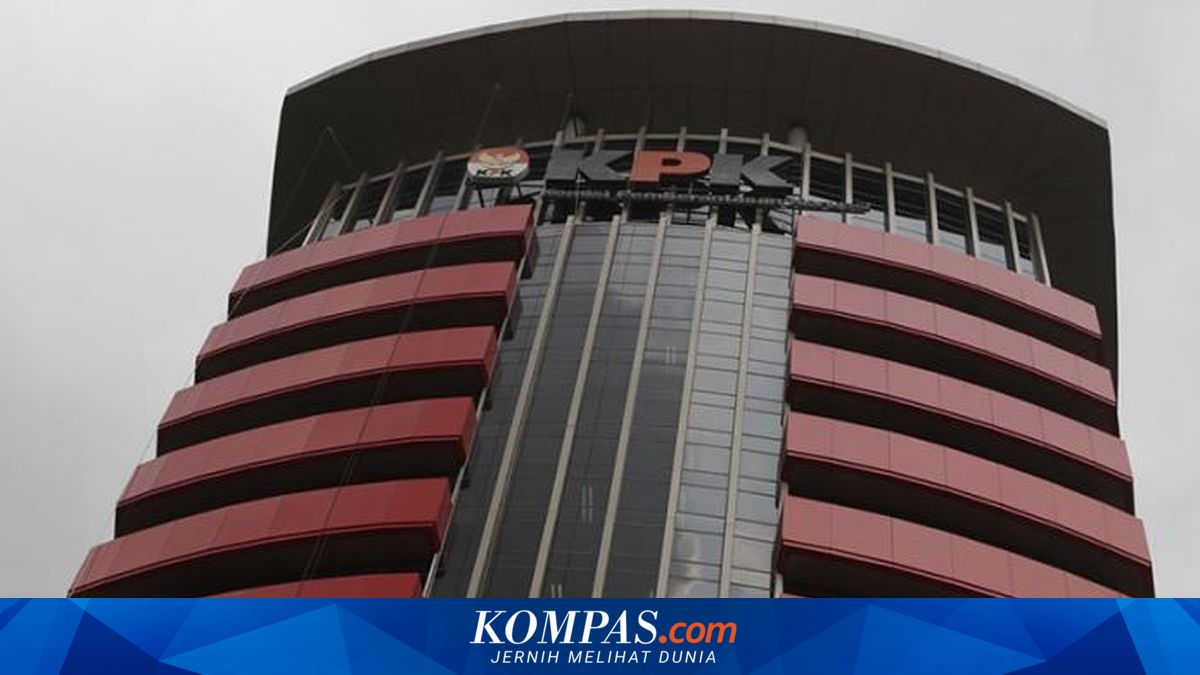
JAKARTA, KOMPAS.com - The Corruption Eradication Commission (KPK) states that investigation data on cases from 2004 to 2025 shows that 25 percent of corruption cases are related to goods and services procurement.
“Based on the handling of cases by the KPK to date, there are 446 out of a total of 1,782 cases or around 25 percent that are related to PBJ (goods and services procurement),” said KPK Spokesperson Budi Prasetyo in his statement on Tuesday (21/4/2026).
The KPK says that this figure indicates that the procurement sector remains a vulnerable area exploited through bribery, project arrangements, and collusion between state officials (PN) and private parties.
He stated that common modi operandi include the presence of “panjer” money, project “ijon” bribes, or demands for commitment fees as conditions to favour certain parties.
“The initiative can come from both sides, either from officials who request it or offers from private parties, with the aim of securing projects or winning specific work packages,” he said.
Budi mentioned that one uncovered case is in Bekasi Regency, where the KPK found flows of money in the form of “panjer” or project “ijon” bribes.
In addition, the KPK also uncovered a similar case involving the Regent of East Kolaka, where there was a demand for fees from private parties to win the regional general hospital (RSUD) construction project.
“Patterns like this show that PBJ corruption is often planned from the outset, thus damaging the principles of healthy competition, construction quality, and public trust,” he said.
The vulnerability of the goods and services procurement sector is also reflected in the Monitoring Controlling Surveillance for Prevention (MCSP) instrument and the Integrity Assessment Survey (SPI).
He said that the 2024 national MCSP results show the goods and services procurement area at a score of 68, while in the 2025 MCSP it became 69. The higher the score, the better the supervision.
That score is still in the “red zone”.
Although in the 2025 SPI it improved to 85.02, this area still requires strict supervision because the potential for deviations remains high and directly impacts the quality of public services and the use of state budget.
Therefore, the KPK emphasises that supervision of goods and services procurement is not only the responsibility of internal government oversight agencies, but also requires active participation from the public.
“The KPK invites all parties to maintain integrity in goods and services procurement, because every rupiah of public money must be ensured not to become a space for compromising interests between officials and business actors, but rather an instrument for clean and just development,” he said.