
KPAI's Response to In-Person Schooling Amid Global Crisis
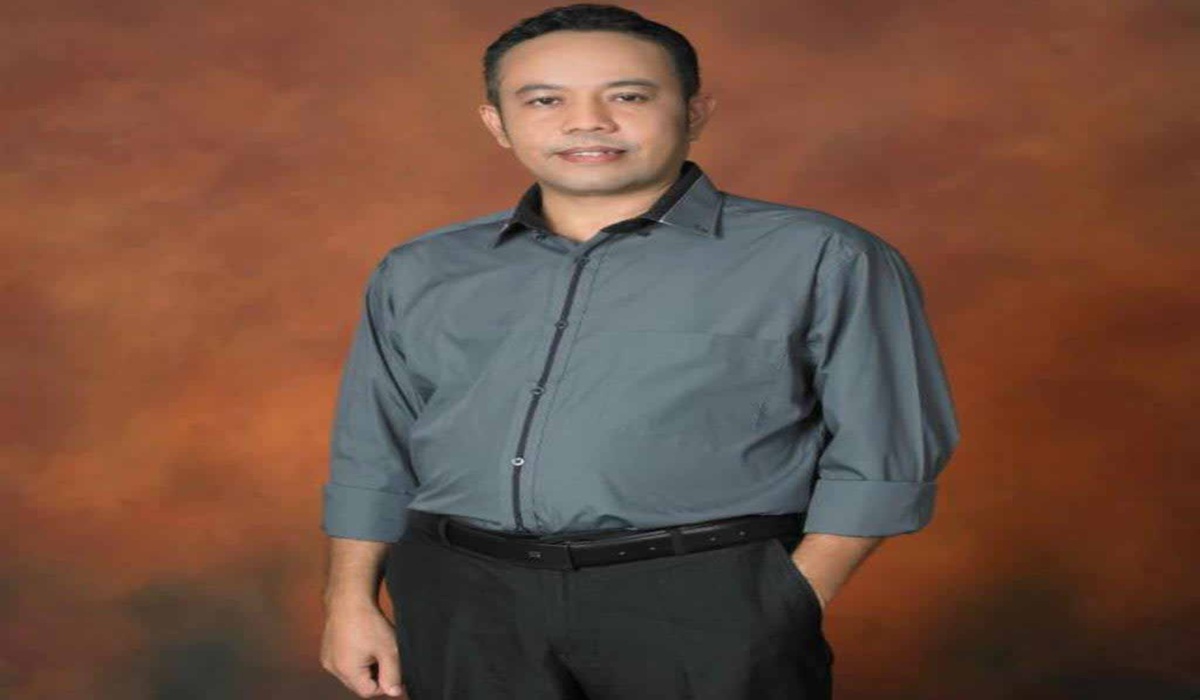
Questioning the government’s decision to proceed with in-person schooling amid the global crisis, Deputy Chairman of the Indonesian Commission for Child Protection (KPAI), Jasra Putra, reminded that preparations for returning to school require a comprehensive synergy between children, parents, and educational institutions, especially for families still in their hometowns. “For those utilising the holiday until the very last day, thorough preparations for the return journey are crucial. Schedules and routes for the homecoming must be managed well to avoid exhaustion,” he stated to Media Indonesia on Wednesday (25/3). Furthermore, he noted that fatigue after a long journey not only affects the physical condition but also significantly impacts the psychological and mental state of children when they face the return to their learning routine. Families using public transport, such as trains and aeroplanes, tend to have lower risks of congestion. However, for those using land routes, KPAI advises the public to always heed the instructions of field officers and comply with traffic signs for a safe, comfortable, and smooth return flow. “In general, KPAI views this year’s homecoming organisation as running well. Nevertheless, KPAI reminds field officers not to be complacent. The potential for dense return traffic in the final holiday days still requires traffic engineering and anticipatory measures to reduce fatigue factors among the public, especially children,” Jasra stressed. KPAI also highlighted the importance of psychological learning transition, noting that children need a transition phase from the holiday atmosphere to cognitive readiness for learning. This awareness should motivate teachers before the children are fully ready to enter the school routine. “Schools are expected not to immediately burden students with heavy material intensity,” he continued. Conducive conditions must be built through emotional connectivity. Methods such as reflective learning and storytelling about mudik experiences in the hometown can serve as effective transition instruments, allowing children to re-enter the learning world without pressure. Mudik is not merely physical movement but a ritual for strengthening social cohesion and cultural identity roots. Children have just absorbed traditional values, kinship, and local wisdom directly from the source. “This wealth of empirical experience is very good to explore as initial learning potential, ideally accommodated by teachers as part of classroom interactions, so that children feel their social experiences are valued and relevant to the school environment,” Jasra said. According to him, this connectivity approach aligns closely with the directives of the Minister of Basic and Secondary Education (Mendikdasmen), Abdul Mu’ti, who views the Eid holiday momentum as a “life class”. Mingling with society and family in the village is a form of learning outside school to nurture children’s social cohesion. “KPAI fully supports the Mendikdasmen’s appeal for schools to create a joyful and reflective return-to-learning atmosphere, while also reminding parents to readjust children’s sleep schedules and reduce gadget exposure (screen time) that may have increased during the holiday period,” he added. In the realm of religious education, similar preparations must be applied. KPAI encourages Islamic boarding schools to align with the spirit of the Ministry of Religious Affairs under the guidance of the Minister of Religious Affairs, Nasaruddin Umar, in welcoming the return of students. The post-holiday orientation process in boarding schools needs to be managed humanely to restore the mental and spiritual readiness of students after celebrating the holiday, so they return sincerely and conducive to gaining knowledge. “Ultimately, realising this ideal transition prerequisite requires a robust support system. Support from parents, teachers, ustadz/ustazah, and the environment is vital in gradually restoring children’s life rhythm,” Jasra stated. “At the macro level, the government’s role must continue to be present in building a synergistic policy ecosystem so that children’s rights to education, safety, and comfort post-long holiday can be well fulfilled,” he concluded.