
KPAI Urges Broadcasting Institutions to Monitor Implementation of PP TUNAS to Protect Children in Digital Spaces
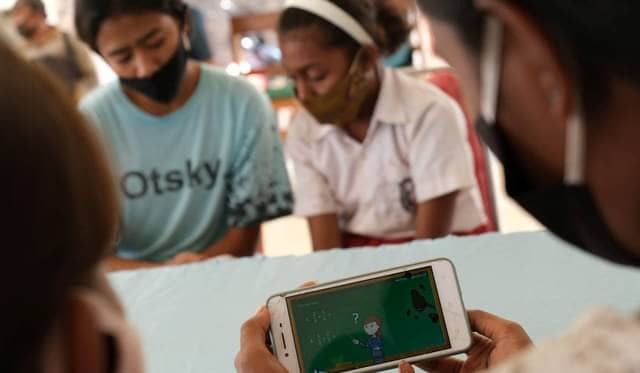
The Indonesian Child Protection Commission (KPAI) has urged media organisations, particularly broadcasting institutions, to play an active role in monitoring the implementation of Government Regulation No. 17 of 2025 on the Governance of Electronic Systems in Child Protection (PP TUNAS), which will come into effect on 28 March 2026.
KPAI Commissioner for the Child Protection Sub-Cluster in the Digital Realm, Kawiyan, stressed that the regulation represents a strategic step by the state to strengthen child protection amid rising risks in the digital space.
“PP TUNAS is the state’s effort to ensure a safer, healthier, and more child-friendly digital environment,” Kawiyan stated in his remarks on Friday (27/3).
He explained that the regulation requires digital platforms to block or suspend accounts belonging to children under 16 years old, particularly on high-risk platforms such as YouTube, Facebook, Instagram, TikTok, Threads, X (Twitter), Bigo Live, and Roblox.
According to him, the policy of delaying account access for children under 16 demonstrates the state’s commitment to the best interests of the child. Children have the right to access information, but they must also be protected from risks such as addiction, online sexual exploitation, cyberbullying, and data theft.
“This policy is not a restriction, but a preventive measure to protect children’s development,” he said.
KPAI assesses that the regulation will be effective if all electronic system operators (PSE) comply with the provisions outlined in Minister of Communication and Digital Regulation No. 9 of 2026, as the implementing regulation for PP TUNAS.
However, Kawiyan highlighted implementation challenges, particularly regarding compliance from digital platforms, many of which are global companies.
“It is essential to ensure how the government guarantees that digital platforms truly comply, as technical authorities such as age verification and account blocking lie with them,” he stated.
In that context, KPAI encourages media organisations to take a strategic role in overseeing the policy’s implementation. The media is seen as able to contribute through public education, monitoring of digital platforms, and promoting government accountability.
Additionally, broadcasting institutions are expected to actively conduct campaigns on child protection in the digital space, including safe internet initiatives, prevention of cyberbullying, and education on digital risks.
Kawiyan added that the media’s role in child protection has been mandated under Law No. 35 of 2014 on Child Protection, particularly through the dissemination of educational and beneficial information.
He also noted that the Indonesian Broadcasting Commission (KPI) can serve as a coordinator in orchestrating the involvement of broadcasting institutions to make it more directed and optimal.
“Child protection is not solely the government’s responsibility, but also that of society, the business world, and the media,” he concluded.
The aforementioned ministerial regulation technically governs various provisions in PP TUNAS, including the management of child accounts and risk profiles on digital platforms.