
KPAI: Sarong Warfare Is Not Mere Teenage Delinquency, But Migration of Street Brawls
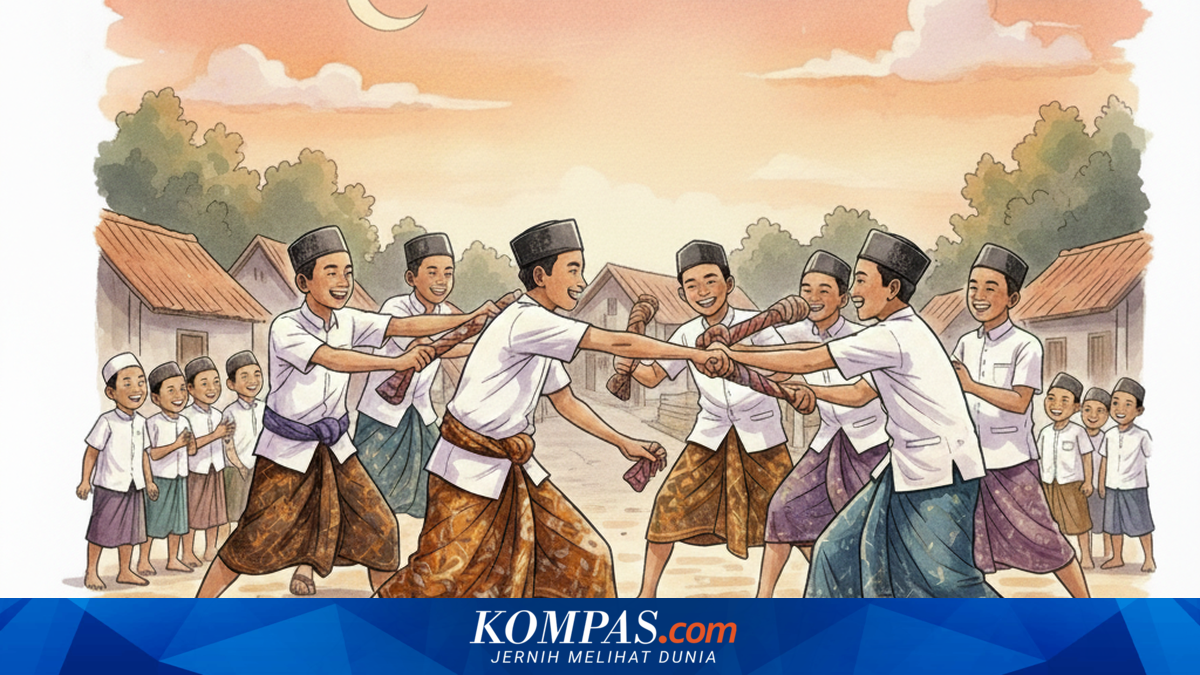
The Indonesian Child Protection Commission (KPAI) considers the “sarong warfare” phenomenon that frequently occurs during Ramadan, which has resulted in fatalities and head injuries, to be far more than ordinary teenage delinquency.
KPAI Deputy Chair Jasra Putra characterised the incidents as a serious alarm bell regarding the loss of children’s play spaces, weak supervision, and the environment’s failure to adequately channel children’s energy.
“This is an emergency signal from the crisis in play spaces, weak supervision, and the failure of the environment to facilitate the energy of our children,” Jasra stated in a statement on Saturday (28 February 2026).
He explained that sarong warfare incidents typically originate in densely populated residential areas. Open spaces that once served as play areas have increasingly been converted into factories or car parks, severely restricting children’s freedom of movement.
“Consequently, when Ramadan arrives and children have legitimate reasons to leave their homes at night, they rush to find as much space as possible to express themselves,” he said.
This situation is exacerbated by changes in daily routines during Ramadan. Adults often become exhausted after breaking their fast or attending evening prayers, given they must work the following day, whilst children’s energy actually peaks late at night until pre-dawn hours.
“The supervision gap during these time slots is what drives children to seek their own outlet for energy in the streets,” Jasra explained.
“We must not be deceived. ‘Sarong warfare’ is merely the tip of the iceberg from long-standing problems that remain unresolved,” he added.
He views this phenomenon as a migration of conventional street brawling tactics, merely changing form to involve sarongs during Ramadan. Underlying this are various risk factors, including broken families, economic vulnerability among the lowest income deciles, out-of-school children, mental health issues, and neglected children despite having families.
The child protection referral system is also considered not yet functioning optimally.