
KPAI Commends Police Rapid Response in Busting Baby Trafficking Syndicate: Children Saved
The Indonesian Child Protection Commission (KPAI) has praised the rapid response of the National Police’s Directorate of Trafficking in Persons and People Smuggling Crimes (Bareskrim Polri) in dismantling a human trafficking syndicate operating a baby-buying and selling scheme. KPAI stated that the operation represents a critical effort to protect Indonesian children.
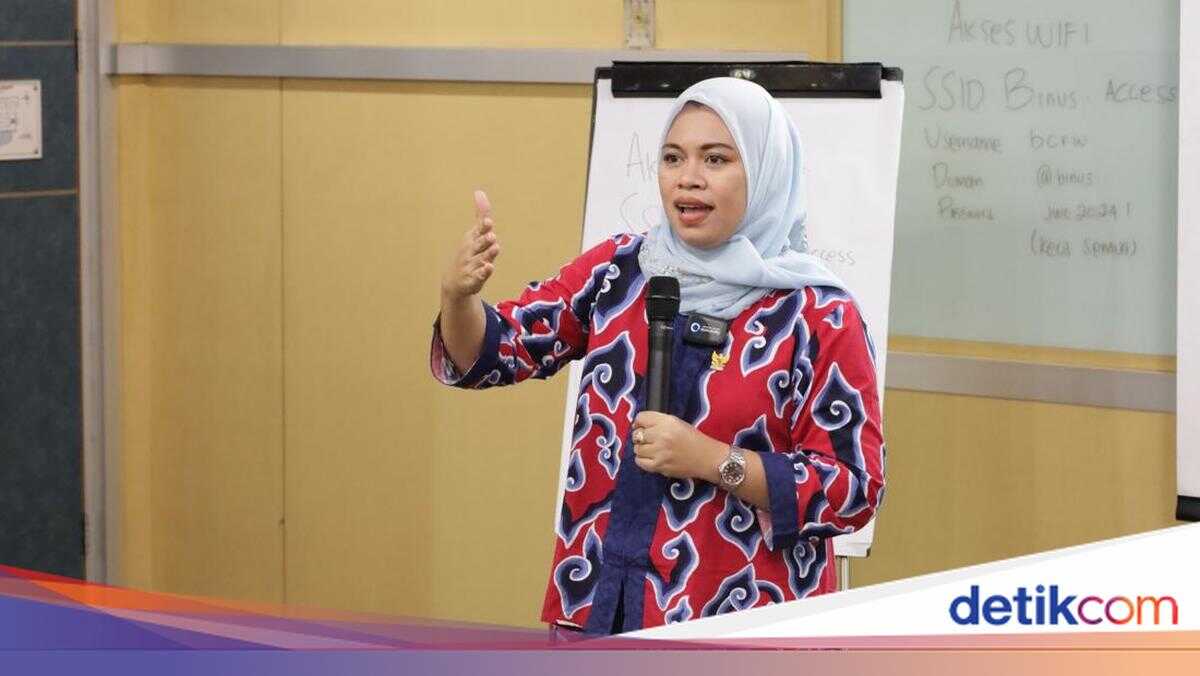
“KPAI certainly appreciates the swift action in exposing this baby trafficking network. This is extremely important because the exposure means children are saved from threats to their fundamental rights, including guardianship rights, identity rights, and protection rights,” said KPAI Commissioner Ai Rahmayanti on Friday, 27 February 2026.
KPAI views the baby trafficking case not as ordinary crime, but as an organised child trafficking pattern involving multiple perpetrators. The commission identified systematic exploitation of loopholes in the child adoption system, population administration weaknesses, and family vulnerabilities as key factors enabling the crime.
“This represents part of an organised child trafficking pattern that exploits gaps in the child adoption system, administrative loopholes in population registration, and family vulnerabilities,” explained Ai.
Ai noted that current baby trafficking trends have become increasingly complex, including exploitation of social media and intermediary networks. Family vulnerability remains a primary entry point for perpetrators.
KPAI has issued three key recommendations to prevent child and baby trafficking through adoption schemes. Firstly, strengthened governance and oversight of child adoption processes. Secondly, improvements to the population administration system.
Thirdly, KPAI calls on law enforcement to thoroughly investigate the entire baby trafficking network. The commission also advocates for strengthened child welfare systems, particularly through family support programmes.
“Given that biological mothers were involved in this case, we will also monitor whether such mothers remain eligible for guardianship rights,” Ai stated.
“The Ministry of Social Affairs will conduct assessments. If assessments show biological parents are unfit for guardianship, then according to regulations alternative family arrangements will be determined. Otherwise, the state must provide alternative care,” Ai added.
The baby trafficking syndicate dismantling emerged from development of a previous child abduction case involving four-year-old Bilqis in Makassar. Deputy Police Chief Irjen Nunung Syaifudin stated that the operation represented case progression from the earlier kidnapping investigation.
“This case disclosure results from developing the earlier abduction case in Makassar. If you recall, that involved baby Bilqis,” Nunung said during a press conference at Police Headquarters in South Jakarta on Wednesday, 25 February.
The Police collaborated with Densus 88 Counter-Terrorism Division to dismantle the baby trafficking network operating across multiple Indonesian regions.
Twelve suspects have been arrested, comprising two groups: eight intermediaries and four biological parents. Their operations spanned Jakarta, Banten, Yogyakarta, West Java, Central Java, East Java, South Sulawesi, Jambi, Bali, East Kalimantan, the Riau Islands, and Papua.
The eight intermediary suspects are identified as NH (female), LA (female), S (male), EMT (female), ZH (female), H (female), BSN (female), and F (female). The four biological parent suspects are CPS (female), DRH (female), IP (female), and REP (male).