
Komodo National Park Named One of the World's Most Beautiful Destinations for 2026, Experts Warn of Overtourism Risks
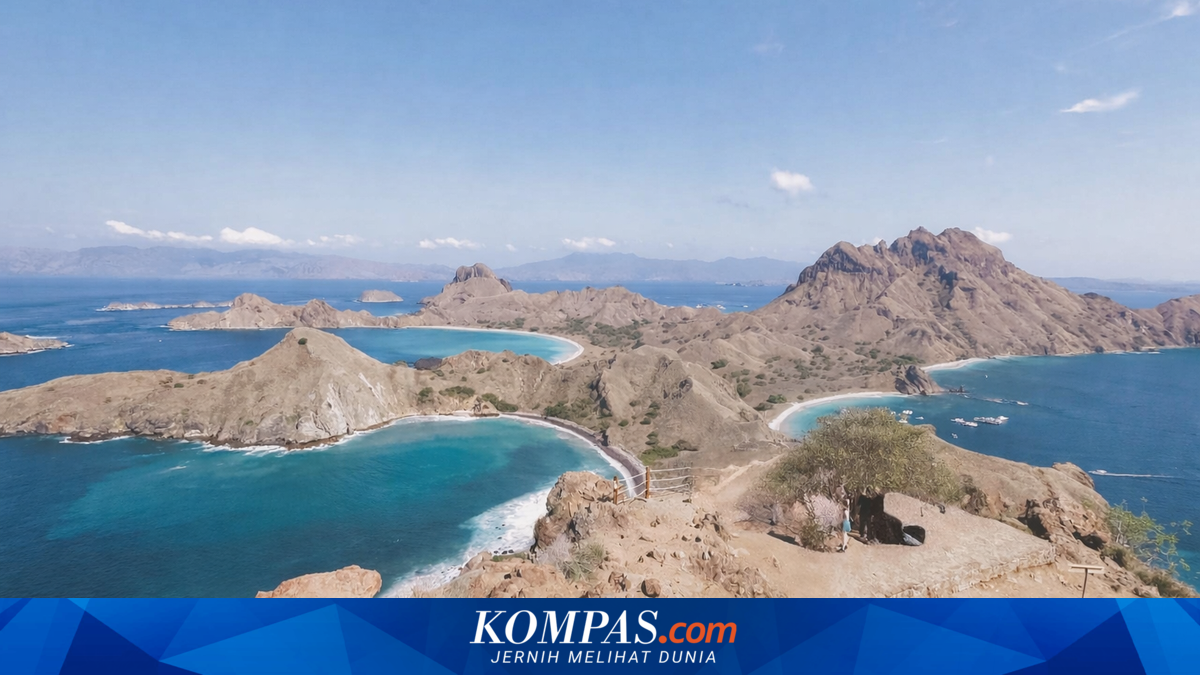
Komodo National Park in Manggarai Regency, East Nusa Tenggara (NTT), has been named one of the world’s most beautiful places for 2026, as featured in a Time Out article on Saturday (28/3/2026). The scenic beauty of Padar Island in Komodo National Park places it second among 51 of the world’s most beautiful tourist spots for 2026. “With it being designated as the best tourist destination, this means promotion of the Komodo National Park area will also increase and will certainly contribute to visits in that region,” said Arie Rompas, Head of the Greenpeace Indonesia Forest Campaign Team, when contacted by Kompas.com on Thursday (9/4/2026). Meanwhile, Mahawan Karuniasa, a postgraduate lecturer in Environmental Science at the University of Indonesia (UI), expressed a similar view. According to Mahawan, this achievement is clearly positive for Indonesia’s image. However, Komodo National Park should not merely be seen as a “beautiful destination” but as an area of extraordinary universal conservation value. “So, the first thing to note is that this global award should not turn into a trigger for global pressure. In tourism destination theory, international recognition usually raises the destination image, interest in visits, and the commercial value of the area,” said Mahawan, when contacted by Kompas.com on Friday (10/4/2026). Not to mention the beauty of the pink sand beaches and the iconic Komodo dragons that add to the appeal of this UNESCO World Heritage site. Nevertheless, according to Mahawan, it must be emphasised that the primary function of this area remains the protection of ecosystems, species, and ecological processes. This aligns with Indonesia’s conservation policies aimed at maintaining the sustainability of living resources and ecosystem balance, as well as UNESCO’s 2023 decision calling for a precautionary approach to tourism expansion in Komodo National Park. “The impact could be significant if the tourism orientation shifts the conservation orientation,” he said. Officially, the management of Komodo National Park is based on zoning, meaning from the national park policy perspective, tourism is not a free function but an activity that must comply with the area’s ecological limits. Instead of achieving the initial goals, increased tourist visits, private concessions, and zoning changes that open up space for tourism development must be assessed for their impact on the area’s Outstanding Universal Value. Thus, this could trigger overtourism, as stated by Arie. “With it being designated as one of the most beautiful tourist destinations, that means marketing, right? People will want to come in droves. If it’s open access, that will lead to overtourism, while the regulations are lacking,” explained Arie. When a national park is increasingly positioned as a “machine” for destinations, cumulative pressures usually emerge, including surges in visits, waste burdens, boat traffic, wildlife disturbances, pressure on coral reefs, and the need for supporting tourism facilities.