
Komnas Perempuan Urges RUU PPRT to be Enacted in a Single Parliamentary Sitting
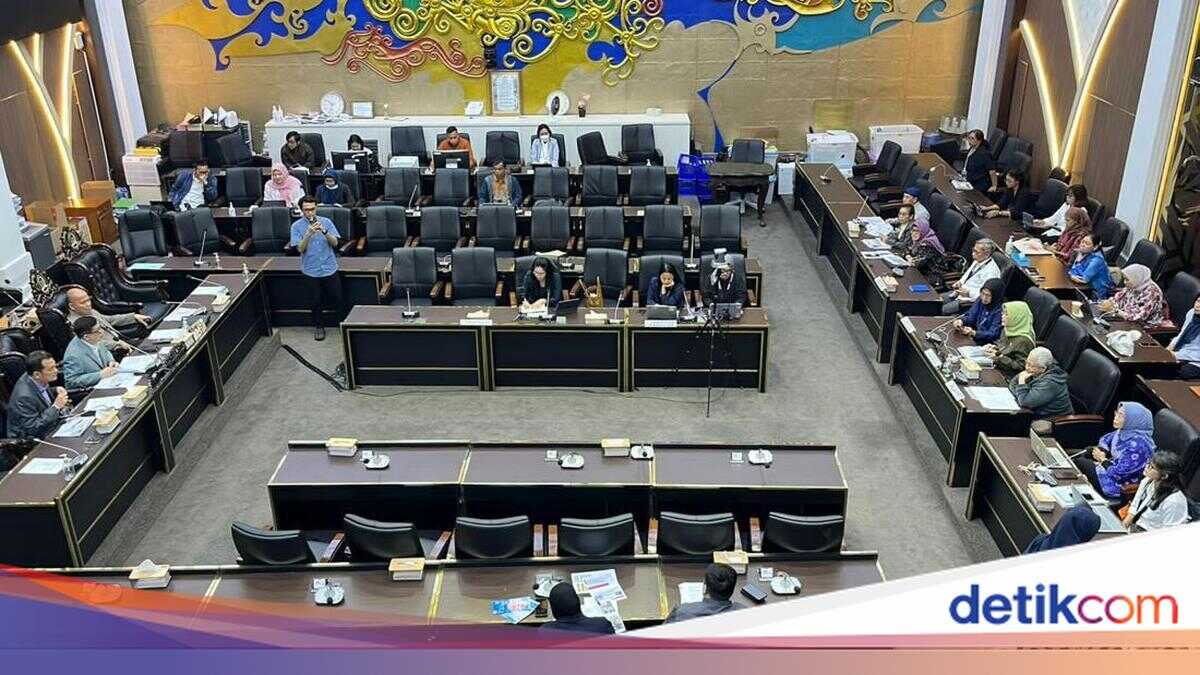
Komnas Perempuan has urged that the Rancangan Undang-Undang Perlindungan Pekerja Rumah Tangga (RUU PPRT) be completed within a single parliamentary sitting. Chairperson Maria Ulfah of Komnas Perempuan urged that the RUU PPRT not be allowed to drag on.
‘Mudahkan, harapannya tidak sampai lebih dari satu masa sidang bisa disahkan (RUU PPRT),’ Maria said during the public hearing of the Legislation Body (Baleg) of the DPR which discussed inputs to the RUU PPRT at the Parliament Complex, Senayan, Jakarta, on Thursday (5 March 2026).
According to her, enacting the RUU PPRT is urgent because it forms a strategic part of the care economy road map in Indonesia. The Government, she said, has launched the care economy road map.
‘PRT is an essential part of the care economy that underpins participation of other family workers, but is often seen as a natural role and thus its economic value is not recognised. This is what we call gender bias,’ she said.
‘Enacting the RUU PPRT is important to recognise care work as employment with economic value, then provide fair and specific labour protections, and thirdly support the development of the national care economy sector,’ she added.
In the same session, Commissioner Devi Rahayu of Komnas Perempuan assessed that the RUU PPRT does not conflict with the social and cultural values of Indonesian society. On the contrary, she said, the RUU PPRT can strengthen a fair working relationship between domestic workers and employers.
‘Thus, the expectation is that the existence of the RUU PPRT does not conflict with cultural values present in society and indeed strengthens the employer–employee working relationship,’ Devi said.
She noted that the RUU PPRT seeks to improve social stigma against domestic work. In particular, by recognising domestic workers as workers with dignity.
‘So in relation to the RUU PPRT, there is indeed alignment of values relating to the social and cultural values of our society,’ Devi said.
‘First, the recognition of domestic work as work of dignity is an effort to correct the social stigma that exists in society. Because it recognises the status of PRT as workers in a formal context,’ she added.
Furthermore, she stated that the RUU PPRT seeks to regulate a family-based as well as a household-based working relationship that should be retained. However, it must become a fairer relationship through the agreement of both parties.
‘Then, the working relationship here, based on family-like relations within the household, should continue to be recognised but directed toward a fair relationship with the agreement of both parties. The PPRT Bill accommodates flexibility in the context of the working relationship and is not a rigid framework of industrial relations,’ she said.