
Komnas HAM pushes for strengthened field verification in nickel industry oversight
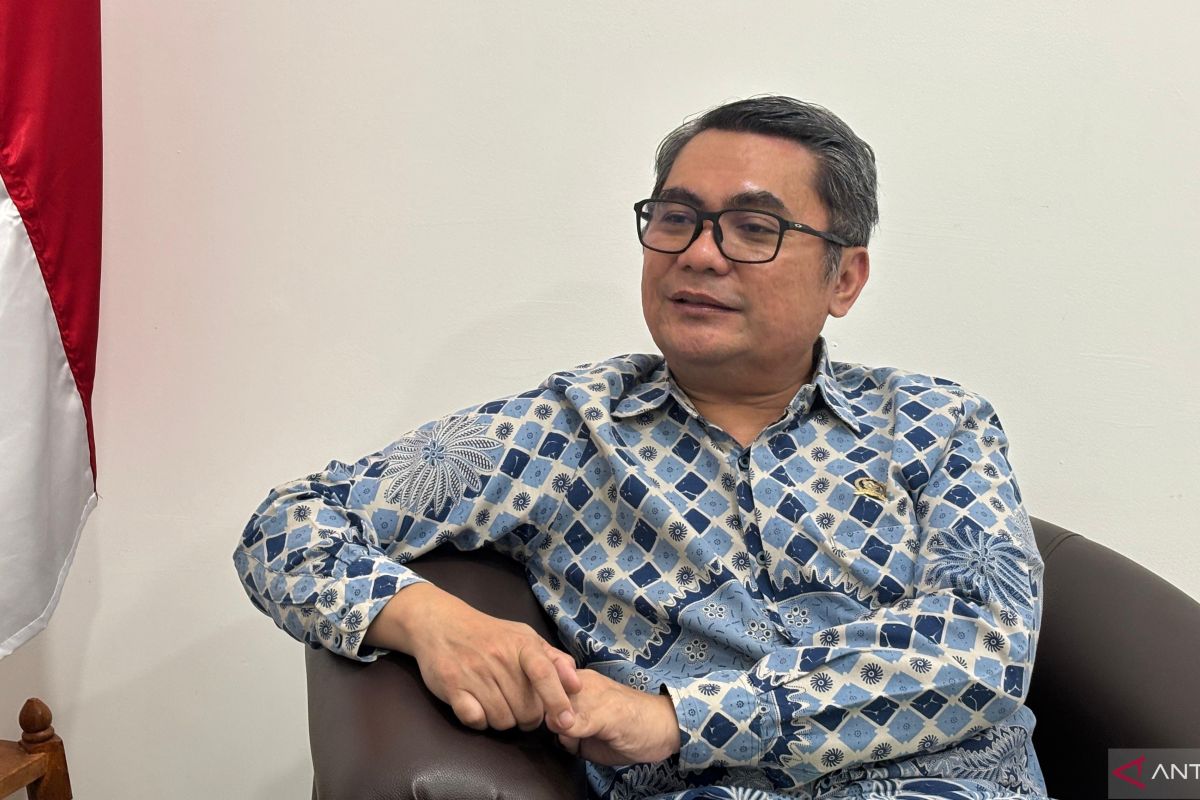
Jakarta (ANTARA) - The National Human Rights Commission (Komnas HAM) is pushing for strengthened field verification in the oversight of the nickel industry, following findings of “label hunting” practices, where companies are assessed as pursuing certifications without real implementation on the ground.
Komnas HAM Commissioner for Assessment and Research, Uli Parulian Sihombing, stated that company compliance evaluations are still dominated by administrative approaches, potentially failing to reflect actual on-site conditions.
“Besides PROPER (Company Performance Rating Programme in Environmental Management) from the Ministry of Environment, there is PRISMA (Business and Human Rights Risk Assessment). They obtain these based on self-assessment. PROPER is similar, as companies need recognition or certification,” he told ANTARA after the launch of Komnas HAM’s study “Impact of the Nickel Industry on Human Rights” in Jakarta on Thursday.
According to him, such mechanisms open loopholes for companies to chase compliance status without substantial implementation.
“But what we are pushing for is on-site checks. Not just administrative documents, such as AMDAL (environmental impact analysis) or permits, but the actual conditions must be examined,” he said.
He emphasised that reliance solely on documents is insufficient to assess company compliance with environmental and labour standards.
“If we only look at documents, it’s not enough. Thus, companies tend to engage in label hunting,” he said.
Komnas HAM stated that weak verification also impacts the control of environmental pollution, including air quality in nickel industrial areas.
“Then, for air quality, we ask companies to also carry out remediation. For example, providing air quality measuring devices like in big cities so that the public knows the air conditions,” said Uli.
He added that transparency in air quality information is important so that the public can anticipate health risks.
“If the air is bad, the public can use masks or limit activities,” he said.
In addition, Komnas HAM is urging companies to conduct sustainable environmental remediation, including emission control and routine air quality monitoring.
Komnas HAM also stressed the importance of access to healthcare services for affected communities as part of companies’ responsibilities.
Komnas HAM affirmed that strengthening field verification, environmental transparency, and public complaint channels are key steps to ensure substantive compliance in the nickel industry that directly benefits society.