
Komnas HAM identifies North Sumatra, West Java, and Central Kalimantan as high-risk agrarian conflict provinces
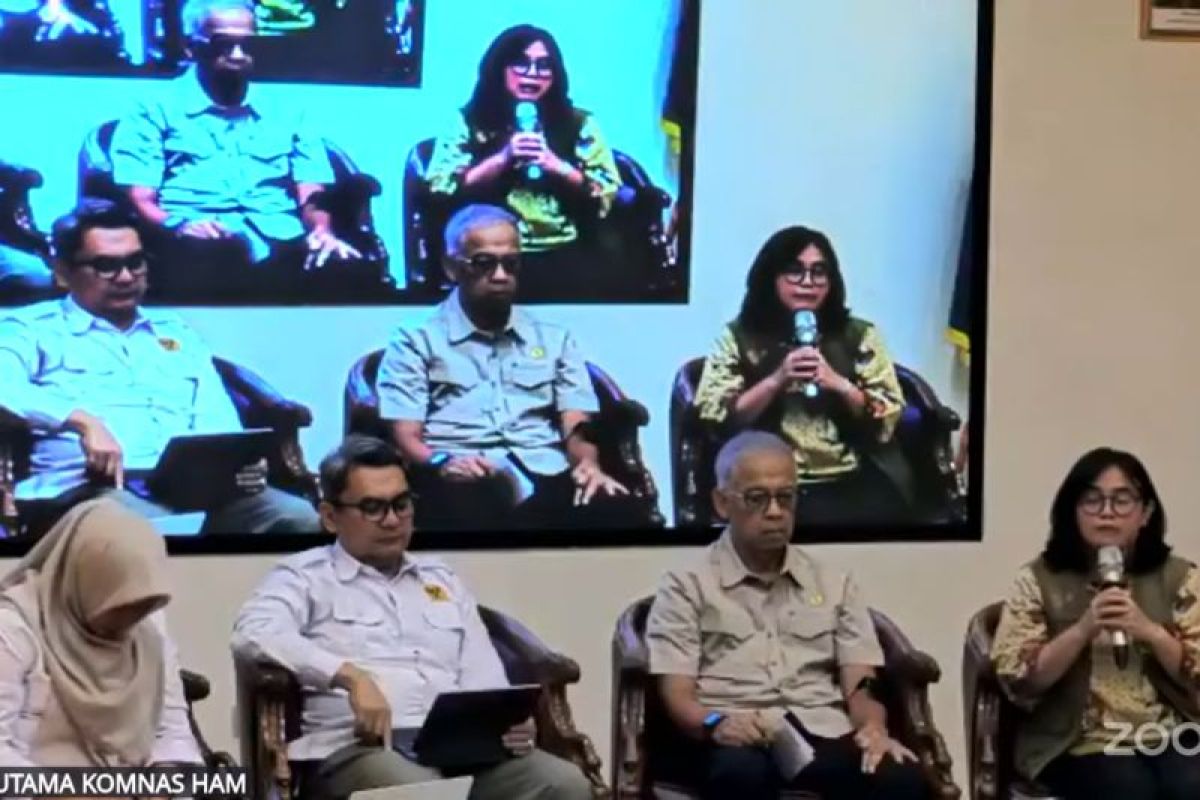
Jakarta — Indonesia’s National Human Rights Commission (Komnas HAM) has identified North Sumatra, West Java, and Central Kalimantan as provinces with high levels of vulnerability to agrarian conflicts based on a study of natural resource conflicts covering 2020–2025.
Uli Parulian Sihombing, Commissioner for Assessment and Research at Komnas HAM, stated that these three regions became the focus of research due to the high volume of public complaints received by Komnas HAM regarding land disputes.
“North Sumatra is the most frequently reported to Komnas HAM and ranks among the top three provinces with the most complaints, including for agrarian conflicts,” said Uli during a public discussion and launch of the study on handling agrarian and natural resource conflicts by the National Police (Polri) held online in Jakarta on Monday.
According to him, agrarian conflicts in North Sumatra are generally related to overlapping land use rights (HGU) with community-farmed land and forest areas. Disputes frequently involve large plantation companies operating in areas previously managed by communities for generations.
In West Java, agrarian conflicts are predominantly triggered by property legalisation issues in urban areas, including overlapping certificates, land ownership claims, and community evictions. Notable cases include conflicts in Tamansari in Bandung City and Dago Elos, involving residents and developers.
In Central Kalimantan, agrarian conflicts are largely influenced by disparities in land control between corporations and indigenous communities living in the region. “The characteristic is land control disparity, with approximately 4 million hectares of corporate concessions facing much smaller indigenous territories,” he said.
In the study, Komnas HAM also noted that agrarian conflicts are frequently triggered by overlapping permits, weak recognition of indigenous territories, and inconsistencies in land data across government institutions. Beyond affecting land ownership, agrarian conflicts also impact communities’ rights to living space, access to food sources, water, and employment, particularly for vulnerable groups such as indigenous communities, women, and children.
Komnas HAM considers mapping these conflict-prone areas important as a foundation for developing more targeted agrarian dispute resolution policies, including through mediation, strengthening land administration mechanisms, and human rights-based approaches.