
Komnas HAM delves into judicial pathways for acid attack case against activist
Jakarta (ANTARA) - The National Commission on Human Rights (Komnas HAM) is still examining the possibilities of judicial pathways in the case of the acid attack on KontraS activist Andrie Yunus, including options to bring it to civil or military courts.
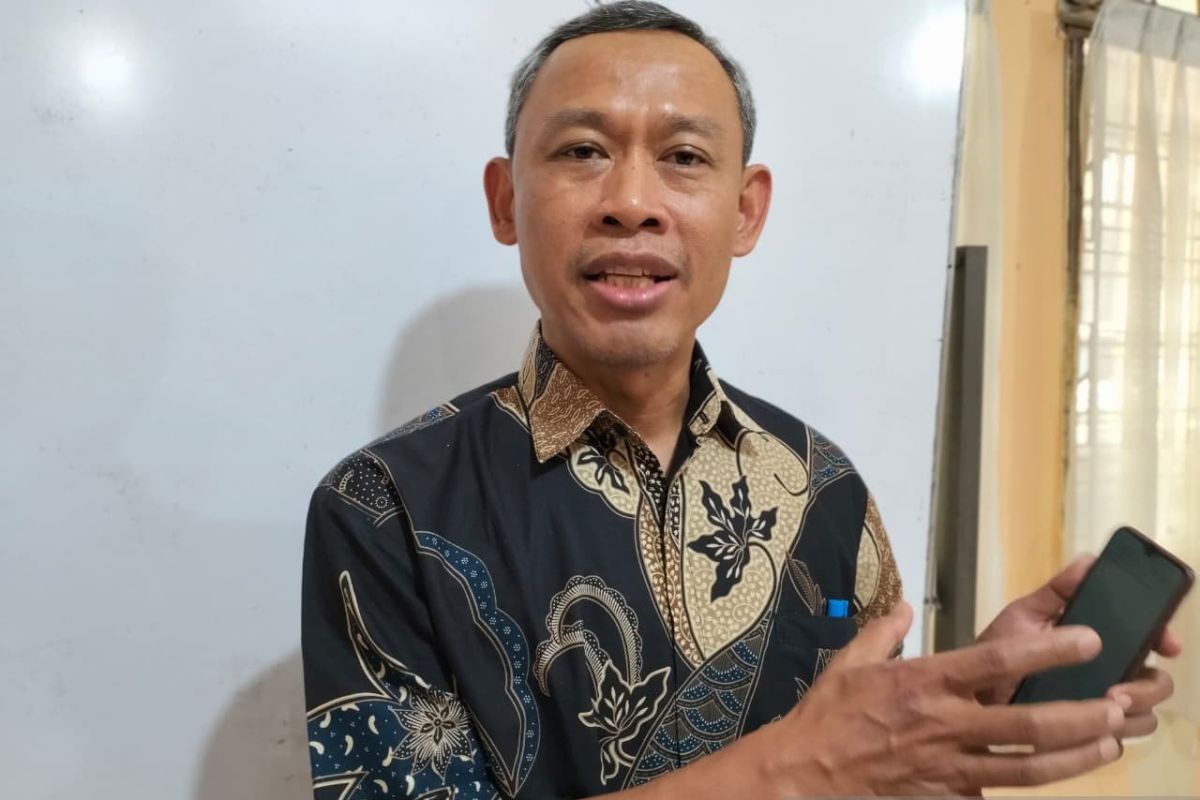
Coordinator of the Human Rights Enforcement Subcommission and Komnas HAM Mediation Commissioner Pramono Ubaid Tanthowi emphasised that his institution has not yet reached a conclusion regarding the most appropriate judicial forum for the acid attack case.
“Regarding which court is better to handle it, of course Komnas HAM cannot yet draw a conclusion. We are still in the stage of collecting statements from various parties,” Pramono said in Jakarta on Thursday.
He explained that the deepening process is being conducted by compiling information from various parties to ensure a complete and objective construction of the acid attack incident.
“We continue to communicate intensively with friends from KontraS, friends from the legal team, and friends from the Witness and Victim Protection Agency (LPSK),” he said.
Previously, Komnas HAM had sought information from civil society organisations, including KontraS, to trace the chronology from the initial incident to the handling of the acid attack victim.
“We have met with friends from KontraS; even before Eid, we had already met with them. We gathered information regarding the initial chronology, for example, when Brother AY first arrived at the boarding house, then how Brother AY was taken from the boarding house to the hospital,” he said.
In addition, Komnas HAM is also open to summoning other relevant parties in the near future to complete the data.
“In the coming days, we will certainly request statements from other parties. Just wait for the information on which parties we will request statements from,” Pramono said.
He emphasised that the entire process forms the basis before Komnas HAM determines its stance, including regarding indications of human rights violations and their legal implications.
“The conclusion on whether this is proven to be a human rights violation or not will be decided by us after the process of collecting statements, information, and data from various parties is completed,” he said.
Komnas HAM assures that the deepening is being carried out thoroughly so that the handling of the case does not give rise to legal polemics, while still guaranteeing the principles of justice and protection of the victim’s rights in the judicial process to be pursued.