
Komnas HAM Addresses Andrie Yunus Case: Cites Two-Year Recovery and Investigation Plans
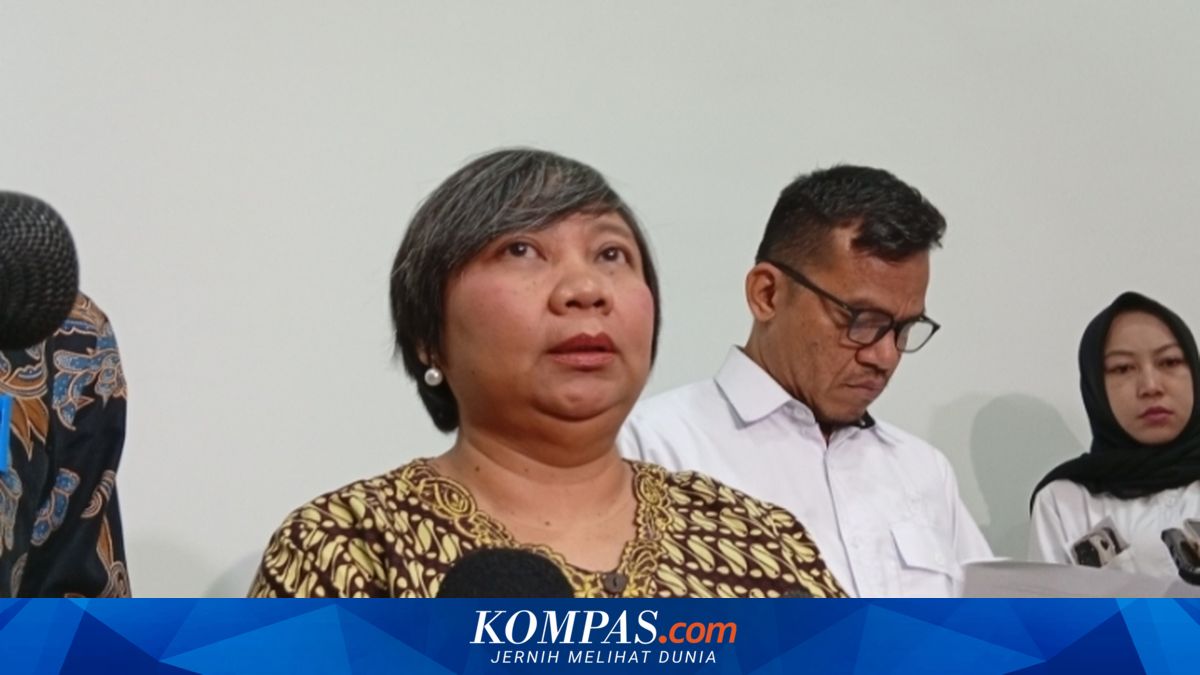
JAKARTA, KOMPAS.com - Three leaders of Komnas HAM visited Deputy Coordinator of KontraS, Andrie Yunus, at Cipto Mangunkusumo Hospital (RSCM) in Central Jakarta on Thursday (26/3/2026). The three were Komnas HAM Chair Anis Hidayah, Commissioner Pramono Ubaid Tanthowi, and Commissioner Saurlin Siagian. “We will visit the victim but not directly, but through the window because we respect the protocols in place at RSCM,” said Anis Hidayah to reporters. Before the visit, the three leaders first met with the medical team treating Andrie Yunus and RSCM management. This Komnas HAM visit is aimed at gathering information regarding Andrie’s condition, which will later be used to compile recommendations related to the acid attack case. For information, Andrie Yunus is currently undergoing intensive care after suffering burns covering around 20 percent of his body due to the acid attack. The human rights activist began treatment at RSCM on 13 March 2026, or a few hours after being doused with acid in the Senen area of Central Jakarta. Komnas HAM Commissioner Saurlin Siagian stated that the recovery process for Andrie Yunus’s burns from the acid attack could take up to two years. He revealed this based on statements from doctors after visiting Andrie at RSCM on Thursday. “It will take six months to two years ahead for 100 percent recovery of his burns,” said Saurlin Siagian to reporters. Saurlin conveyed that the medical team will focus on Andrie’s recovery in the next six months. During this process, Andrie is scheduled to undergo several surgical procedures. “Then, we received confirmation that the financing, alhamdulillah, is covered by BPJS,” added Saurlin. On the same occasion, Saurlin Siagian also asked the public to use the term “strong acid chemical” to refer to the liquid used in the attack on Andrie Yunus. This was stated based on information from the RSCM medical team. “We had the opportunity to speak with the specialist doctors handling the case and RSCM management. First, the burns are due to being doused with a strong acid chemical,” said Saurlin. The term strong acid is chosen so that the public can more accurately understand the nature of the substance, as the lay term “acid water” has been used colloquially for various corrosive materials, not always the same as actual strong acid. “So this might be a term that we can officially use together for the public. Previously, there were many other terms, like doused with acid water and so on,” he continued.