
Komdigi Plans Auction of Golden Frequencies, Telkomsel Delighted
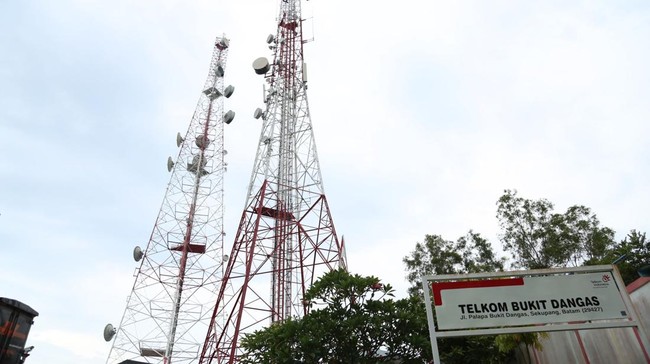
The government, through the Ministry of Communication and Digital (Komdigi), is preparing a selection process for the 700 MHz and 2.6 GHz radio frequency bands in 2026. This move has received a positive response from Telkomsel, which has stated its readiness to participate in the selection process to expand broadband services and strengthen digital transformation. Telkomsel’s VP of Corporate Communications & Social Responsibility, Abdullah Fahmi, said the company welcomes the government’s plan to open the selection for the new spectrum bands. “Telkomsel positively welcomes the government’s plan to open the selection for the 700 MHz and 2.6 GHz frequency bands,” Fahmi stated in a written release received by CNBC Indonesia on Thursday (9/4/2026). He emphasised that, as a digital operator, Telkomsel is continuously preparing its technology and developing infrastructure so that the new spectrum can be utilised optimally. Telkomsel also hopes that the selection process will run productively and provide positive impacts for the industry. “Thus, this step will also support the government’s strategic targets in driving inclusive and sustainable technology-based economic growth,” Fahmi said. Previously, Komdigi stated that the selection of the 700 MHz and 2.6 GHz frequencies aims to provide additional spectrum for mobile cellular network providers while accelerating infrastructure deployment. Both frequency bands are considered to have complementary functions for the national telecommunications industry. The 700 MHz frequency band is a low-band spectrum known as the digital dividend because it originates from the migration of analogue television broadcasting to digital or Analogue Switch Off (ASO). This frequency has wide signal coverage and the ability to penetrate physical obstacles such as buildings, making it effective for improving signal quality both outdoors and indoors. These characteristics make it the backbone for expanding mobile broadband reach, including to wider areas. Meanwhile, the 2.6 GHz frequency band is a mid-band spectrum ideal for supporting network capacity and high-scale data transmission speeds, including 5G development. This spectrum is focused on accommodating high data traffic density in urban areas while delivering a more stable high-speed mobile internet experience.